A little girl died on the swing ride, a boy drowned on the grounds, and long before any of it, the land was soaked in blood. Lake Shawnee haunted amusement park was built on the site of a frontier massacre and an ancient burial ground, and its rusted rides have never stopped drawing people who swear the place is cursed.
A Small-Town Funfair in the West Virginia Hills
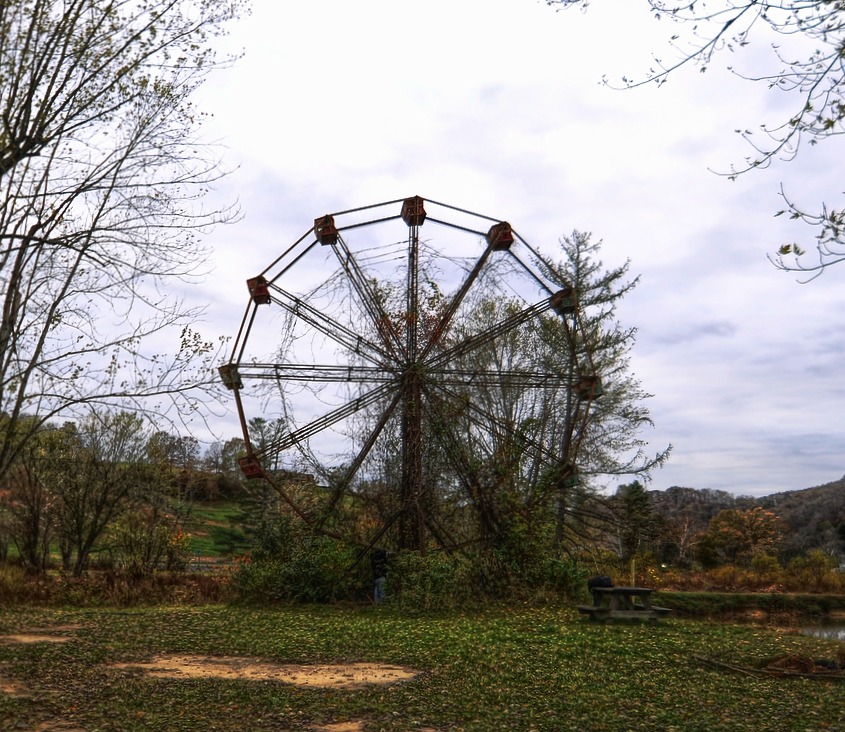
In 1926, a local businessman named Conley Snidow opened an amusement park on a quiet stretch of land in Mercer County, near Princeton, West Virginia. For decades it was exactly what it looked like: a modest country funfair with a Ferris wheel, a circular swing ride, a swimming area, and a dance hall where families spent their summer weekends.
Generations of Appalachian kids grew up on those rides. By most accounts it was a happy place, the kind of small, homemade park that dotted rural America before the age of the mega-resort. But the ground it sat on had a much darker past than any of them knew.
The Deaths That Closed It Down
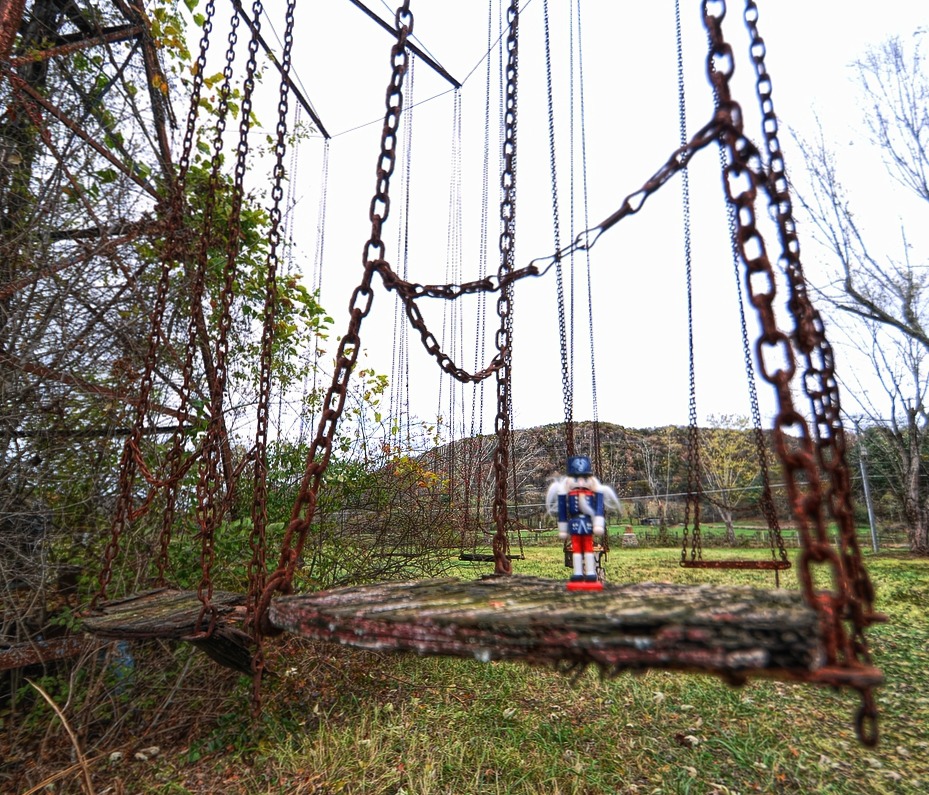
The trouble that made Lake Shawnee famous happened in the 1960s. According to the most widely repeated account, a young girl was killed on the swing ride when a delivery truck backed into the swinging path and struck her seat. She died on the spot, in front of other visitors.
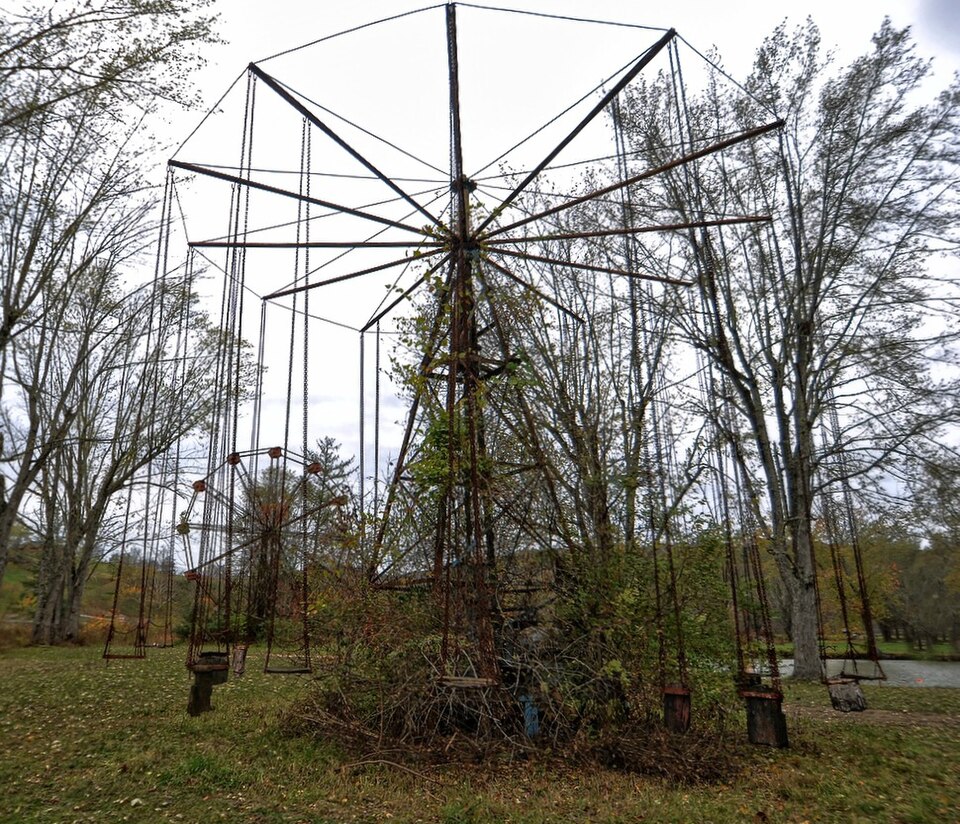
A second child, a young boy, drowned on the grounds; some accounts say in the lake, others in the swimming area. Local tellings put the total number of deaths tied to the park at around six, though the details of the others are murky and hard to verify. What is certain is that the park lost its shine. In 1967 it failed a health inspection and shut down, and the rides were left to rust where they stood.
The Massacre Beneath the Midway
Here is where Lake Shawnee stops being an ordinary abandoned park. Long before the swings and the Ferris wheel, this was the farmstead of a pioneer named Mitchell Clay, one of the first white settlers in the region.
In 1783, while Clay was away, a Shawnee raiding party attacked the homestead. Two of his children, Bartley and Tabitha, were killed, and a third, Ezekiel, was taken captive and, according to historical accounts, later burned at the stake. Clay gathered other settlers and rode out in revenge. It was one of the bloodiest episodes of the Virginia frontier, and it happened on the exact ground where children would one day ride painted swings.
An Ancient Burial Ground
The land’s history runs deeper still. When Gaylord White, a former park employee, bought the property in the 1980s hoping to reopen it, planned excavation uncovered something no one expected: an ancient Native American burial site that long predated the Clay family.
Archaeologists from Marshall University reportedly recovered around thirteen skeletons along with tools and artifacts, many belonging to young children and elderly people, buried well before European settlers ever arrived. To visitors who already believed the place was cursed, the discovery of a children’s burial ground beneath a park where children had died felt like grim confirmation. Local legend goes further, claiming thousands of Shawnee were laid to rest here, though that figure is folklore rather than documented fact.
Inside the Lake Shawnee Haunted Amusement Park Legend
White reopened the park briefly in 1987, but rising insurance costs forced it to close again by 1988. Instead of tearing the rides down, he leaned into the legend that had grown around them.
Today the site runs seasonal haunted tours and a Halloween event known as the “Dark Carnival,” where visitors walk the grounds by bonfire and hear the stories firsthand. Ghost hunters and paranormal television crews have made Lake Shawnee a fixture, and it is regularly ranked among the most reputedly haunted places in the United States.
Legend says the ghost of the little girl still rocks gently on the swings, and that visitors hear children where no children are. Locals claim cold spots, strange figures, and the feeling of being watched near the old rides. None of this is proven, and much of the park’s fame rests on stories rather than evidence. But standing beneath that rusted Ferris wheel, on ground that has buried the dead twice over, it is easy to understand why the stories refuse to die.
What Remains Today
The swings and the Ferris wheel are still there, orange with rust and wrapped in vines, slowly becoming part of the hillside. The park is private property and can only be visited during its organized events, not explored freely.
Whether or not you believe in the curse, Lake Shawnee is a rare place where documented tragedy, real frontier history, and pure legend have grown together into something genuinely unsettling. Some abandoned parks are simply forgotten. This one, people say, never let anyone leave.