
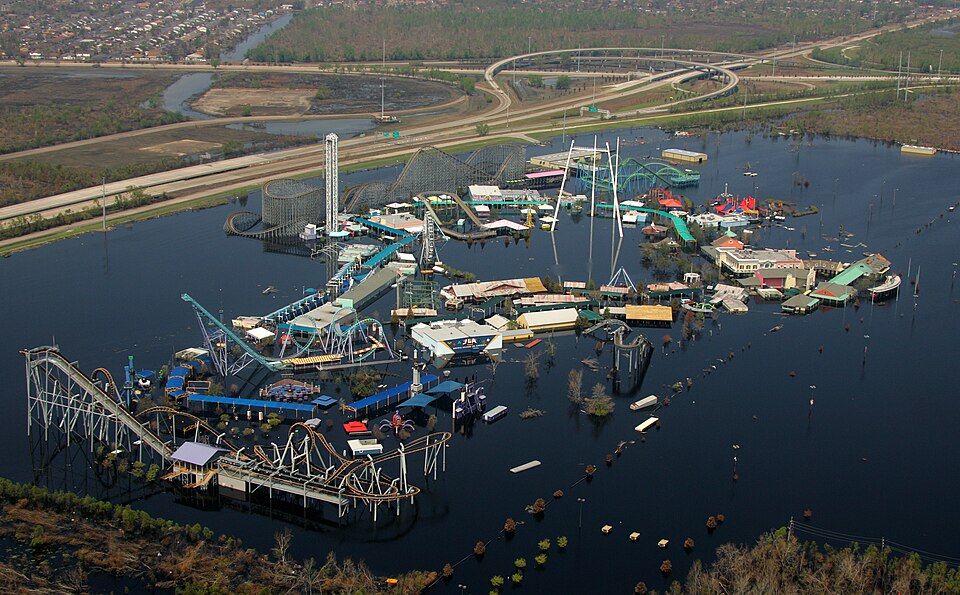
For over a month it sat under seven feet of brackish, salt-poisoned water. When the flood finally drained, the rides were rusted solid, snakes had moved into the ticket booths, and alligators were gliding across what used to be the midway. For nearly twenty years, Six Flags New Orleans stood abandoned exactly where the storm left it — a drowned amusement park that time, and the city, seemed to forget.
What It Was: From Jazzland to Six Flags
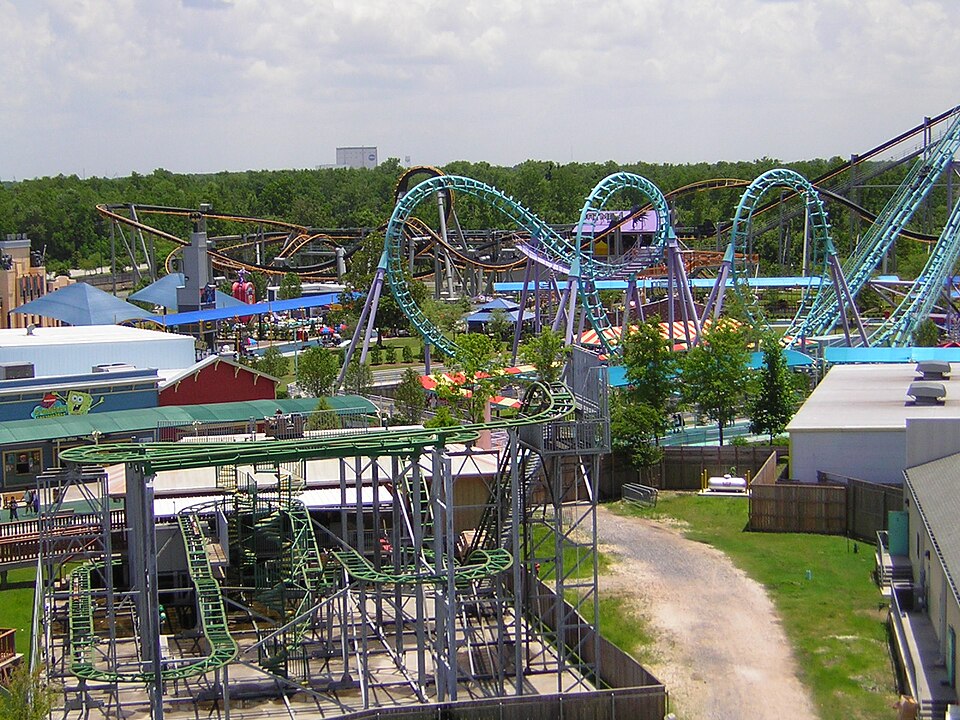
The park opened on May 20, 2000, but not under the Six Flags name. It began as Jazzland, a locally themed park in New Orleans East built to celebrate Louisiana’s music and Cajun culture. Opening day drew more than 20,000 visitors, and tens of thousands of season passes sold in the first months.
In 2002, the entertainment giant Six Flags bought the lease for around $22 million and rebranded it Six Flags New Orleans in 2003. The company poured tens of millions more into new attractions. By the summer of 2005, the park was a fully operating regional resort, anchored by its towering wooden coaster, the Mega Zeph, and a gleaming steel Batman: The Ride.
Then came the last normal day: August 21, 2005.
Why Six Flags New Orleans Was Abandoned
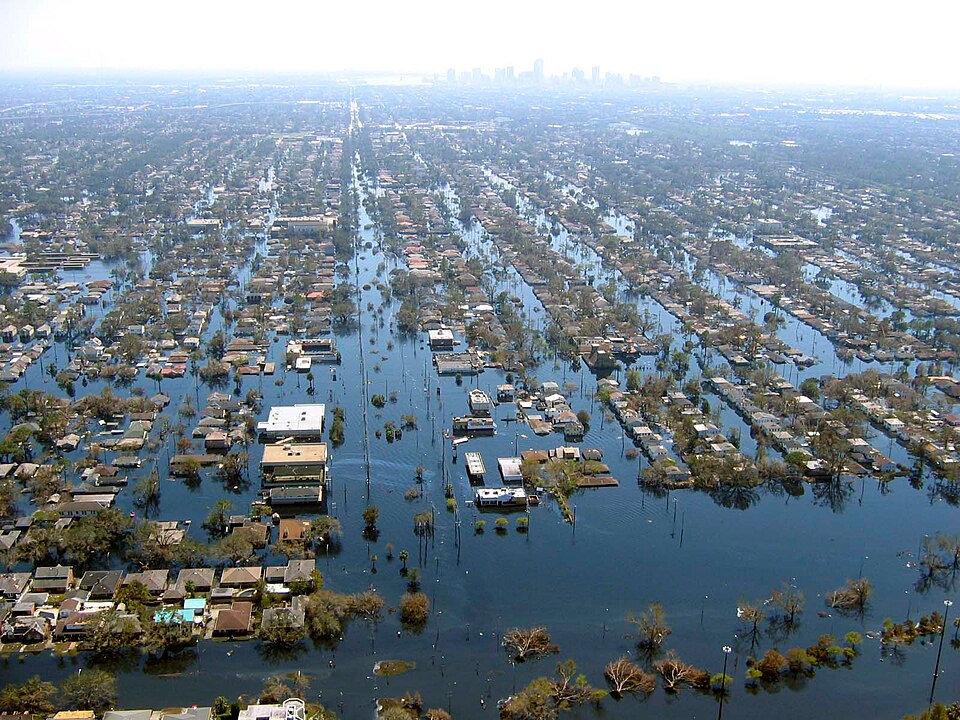
Eight days later, on August 29, 2005, Hurricane Katrina made landfall. The storm shattered the city’s levee system, and New Orleans East — the low-lying district where the park sat — was among the worst-hit areas. Water rushed in and did not leave.
The park was submerged in brackish floodwater, in some places up to seven feet deep, and it stayed underwater for more than a month. Salt water is merciless to machinery. By the time engineers could assess the damage, roughly 80% of the buildings and flat rides were ruined beyond saving.
In July 2006, Six Flags declared the property an “effective total loss.” A dispute over the lease with the city followed, and the park never reopened. Only a handful of rides were worth salvaging — Batman: The Ride was carefully dismantled and shipped to Six Flags Fiesta Texas, where it was rebuilt as Goliath. Almost everything else was simply left behind.
The Eerie Part: Seven Feet of Poisoned Water
What made Six Flags New Orleans one of the most haunting abandoned places in America wasn’t just the ruin — it was how alive it stayed.
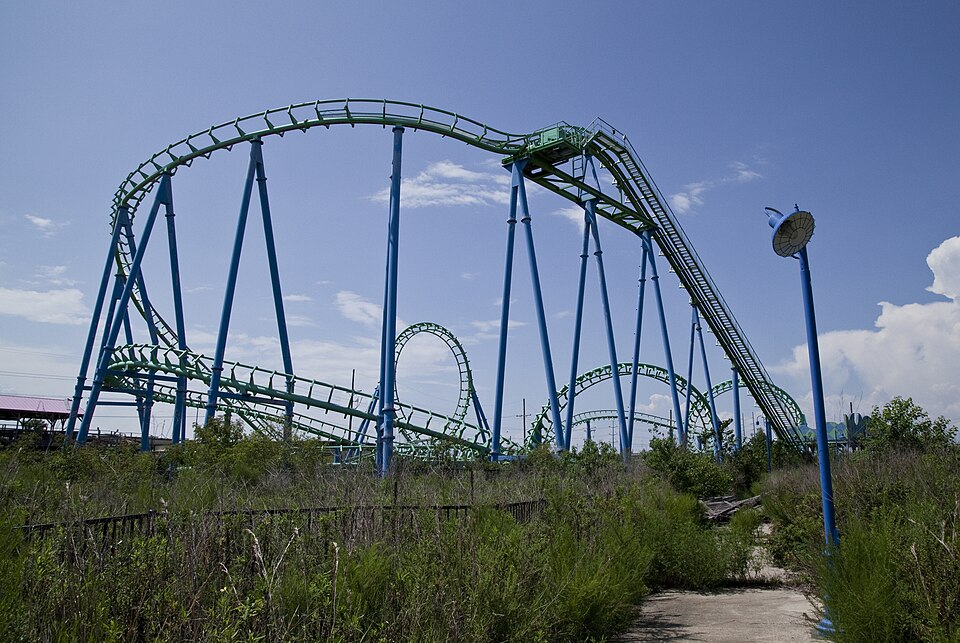
As the years passed, the flooded ruins became a swamp with a skyline of dead rides. Nature reclaimed it fast. Urban explorers who slipped inside described a rusting wasteland patrolled by vultures, wild boars, and cottonmouth snakes, with the corroded skeleton of the Mega Zeph looming over water-stained pavement.
And then there were the alligators. They weren’t a legend — they were a documented problem. When a film crew arrived to shoot at the park in 2012, a reported 100 alligators had to be relocated from the property before filming, and another dozen were caught during the shoot itself. A crew member was reportedly bitten by a water moccasin on the second day. The image from the content bank — of alligators moving through the flooded midway — turned out to be closer to fact than folklore.
Inside the buildings, the details were quietly unnerving: a food-court sign still reading “Have a scary day” from a long-ago Halloween event, ride cars frozen mid-track, and murals peeling into the humidity. It looked less like a park that had closed and more like one that had been evacuated seconds before the end of the world.
What It Looks Like Today
For a while, that apocalyptic atmosphere made the ruins strangely valuable. Hollywood came knocking, using the decayed park as a ready-made backdrop for films including Percy Jackson: Sea of Monsters, Dawn of the Planet of the Apes, Jurassic World, and Deepwater Horizon. The drowned Six Flags had a second, ghostly life on movie screens.
But the ruins themselves are now nearly gone. After years of failed redevelopment schemes — outlet malls, new theme parks, a Nickelodeon-branded park — the city finally selected a developer, Bayou Phoenix, and reached a deal in 2023. Demolition began in late 2024, and by early 2026 crews had cleared most of the site’s remaining structures, including what was left of the Mega Zeph.
The long-term plan is to replace the drowned park with something new: an indoor and outdoor waterpark, a sports complex, a family entertainment center, and hotels. After two decades as one of the country’s most photographed ruins, Six Flags New Orleans is being erased to make room for whatever comes next.
A Park That Refused to Disappear
Most abandoned places fade quietly. Six Flags New Orleans did the opposite — it drowned, rusted, filled with predators, starred in blockbuster films, and outlasted nearly every plan to tear it down. Now that the bulldozers have finally won, the strangest part may be this: for twenty years, the scariest ride in the whole park was simply walking through it.
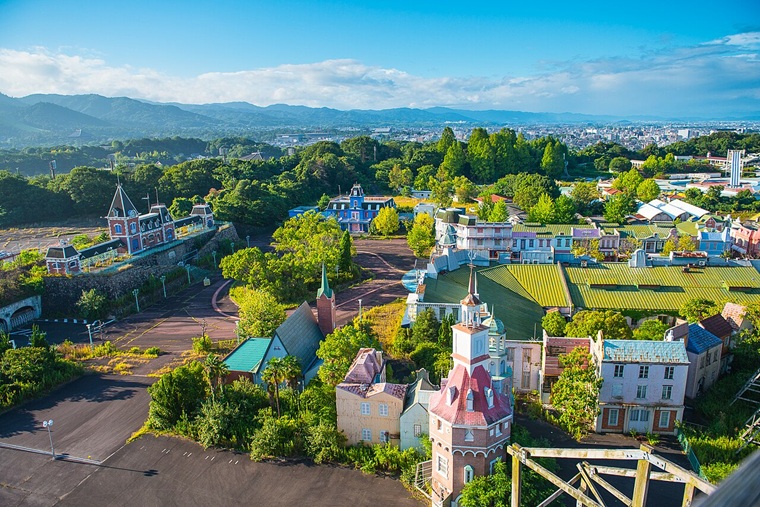
If flooded ruins fascinate you, read next about the amusement park abandoned before it ever opened — Pripyat’s Ferris wheel and Nara Dreamland, Japan’s rotting Disneyland twin.
One thought on “Six Flags New Orleans: The Abandoned Park Katrina Drowned”