
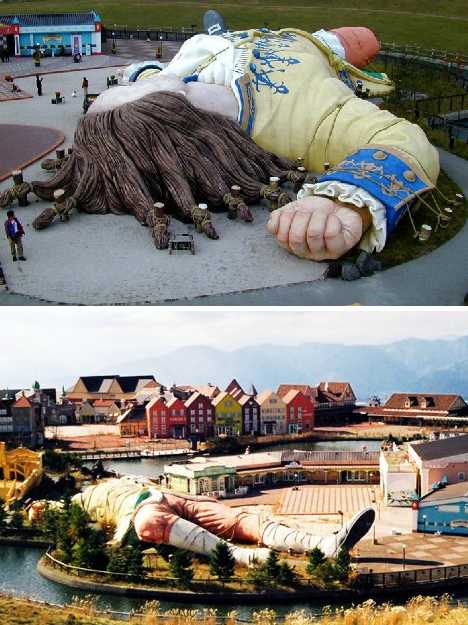
For four short years, a 45-meter giant lay staked to a hillside in central Japan, ropes pinning his arms and legs as if a village of tiny people had captured him overnight. This was the centerpiece of Gulliver’s Kingdom Japan, an abandoned theme park whose real story turned out to be far stranger than the Jonathan Swift novel it was named after. Its neighbors were a doomsday cult’s former headquarters and a forest infamous for death.
What Gulliver’s Kingdom Was
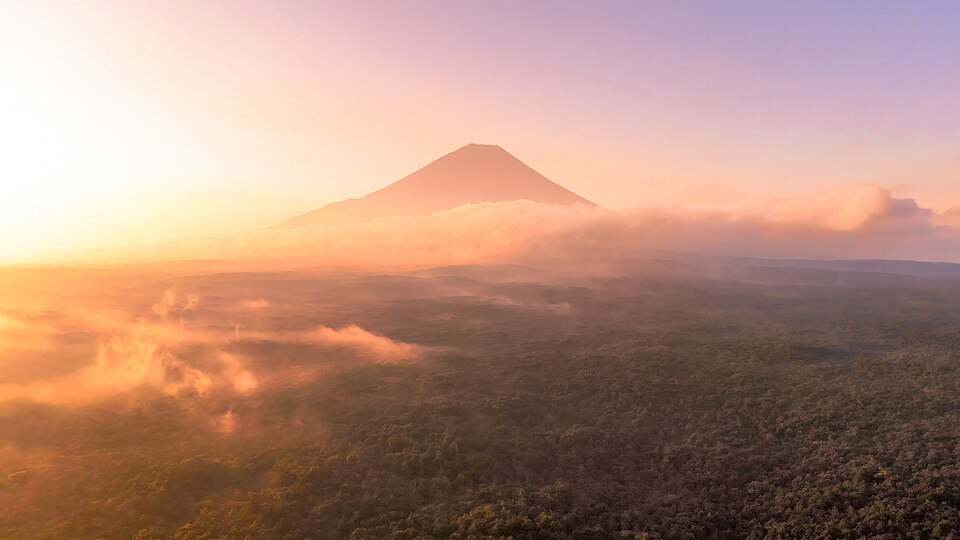
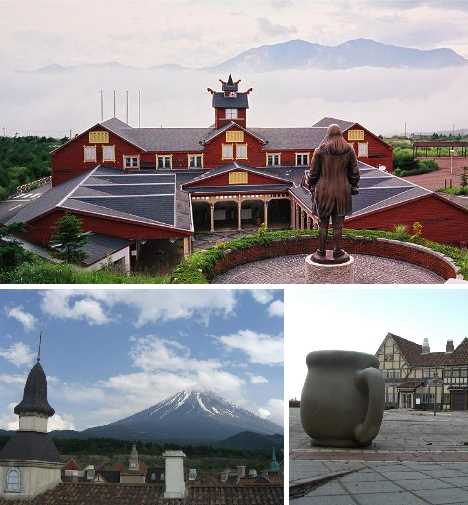
Gulliver’s Kingdom opened in 1997 in the village of Kamikuishiki, in Yamanashi Prefecture, at the foot of Mount Fuji. It was built as a government-backed effort to draw tourists to a rural area — and, quietly, to give the village a wholesome new image.
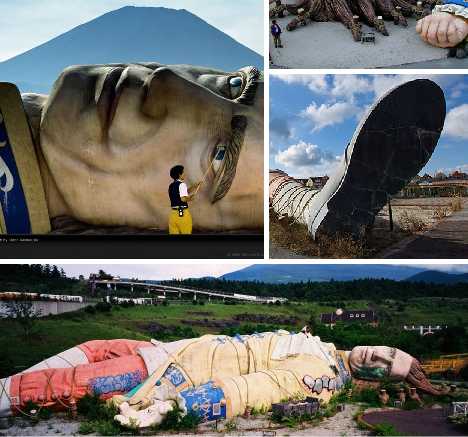
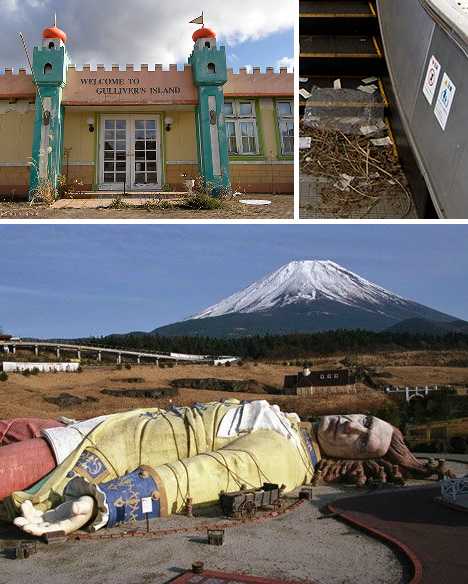
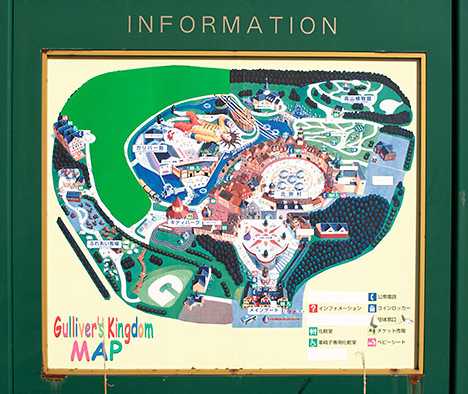
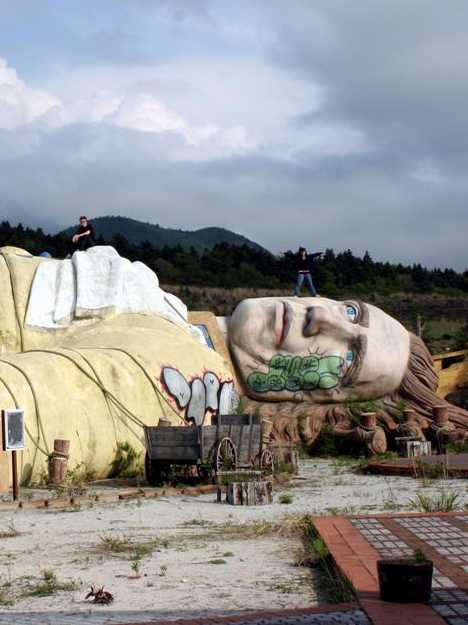
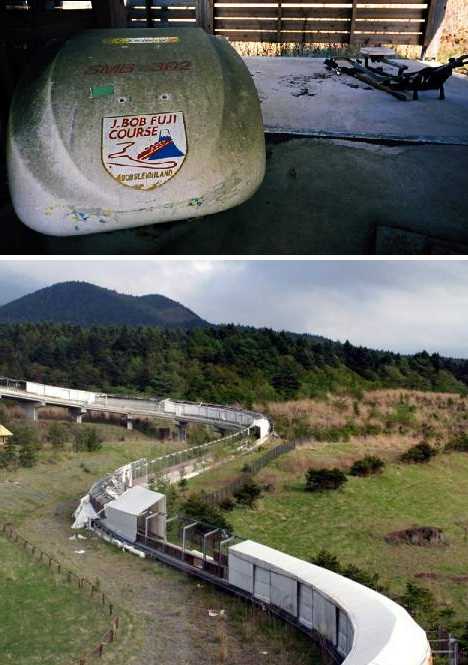
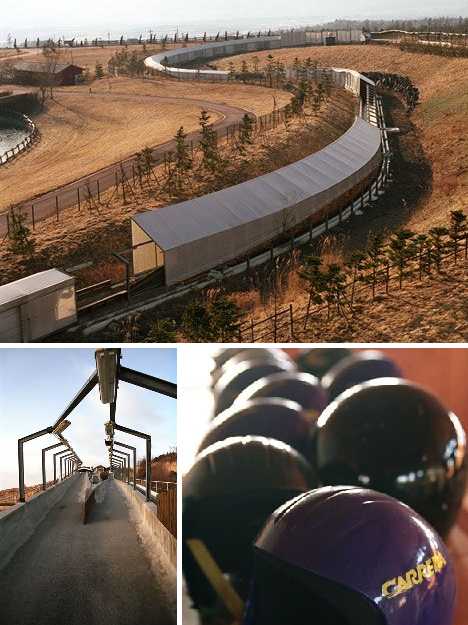
The theme was Swift’s *Gulliver’s Travels*. Its star attraction was an enormous reclining figure of Lemuel Gulliver, reported at around 45 meters (about 147 feet) long, tied down Lilliputian-style with ropes and stakes. Visitors could walk the length of his body, climb around his head, and take in the mountain views from up high. The park also offered a bobsled run and a luge course — fast, hard-edged attractions that felt oddly grown-up for a place built to draw families with small children.
From the start there was something off about the whole design. A giant is meant to loom, to tower, to rule. This one only ever lay flat on his back, staked to the dirt, staring up at the sky. Even the park’s biggest idea seemed strangely defeated.
Why It Was Abandoned?
The park never found its crowds. The setting was remote, the mood strangely bleak for a children’s attraction, and the surrounding associations did it no favors.
Financially, its fate was sealed from above. The park’s operator, the Fuji Chuo group, relied on the Niigata Chuo Bank as its main creditor. When that regional bank collapsed under a mountain of nonperforming loans, the money behind Gulliver’s Kingdom evaporated with it. The park closed in October 2001, after barely four years of operation. It went to auction, and in 2002 it was reportedly bought by a resort operator for around 1.48 billion yen — but no revival came. In 2007 the whole site, giant and all, was demolished. Today almost nothing remains but bare, reclaimed ground where a theme park used to be.
The Eerie Part: A Cult and a Forest
What makes Gulliver’s Kingdom unforgettable is not the park itself but where it stood.
Kamikuishiki was the main base of Aum Shinrikyo, the doomsday cult that carried out the 1995 sarin gas attack on the Tokyo subway, killing 13 people and injuring thousands. The cult’s compound of buildings — where the nerve agent was produced — sat close to where the park would rise. Locals near the former facility have described lingering chemical smells in the years afterward. The park was, in part, an attempt to paint over that dark reputation with something bright and childish.
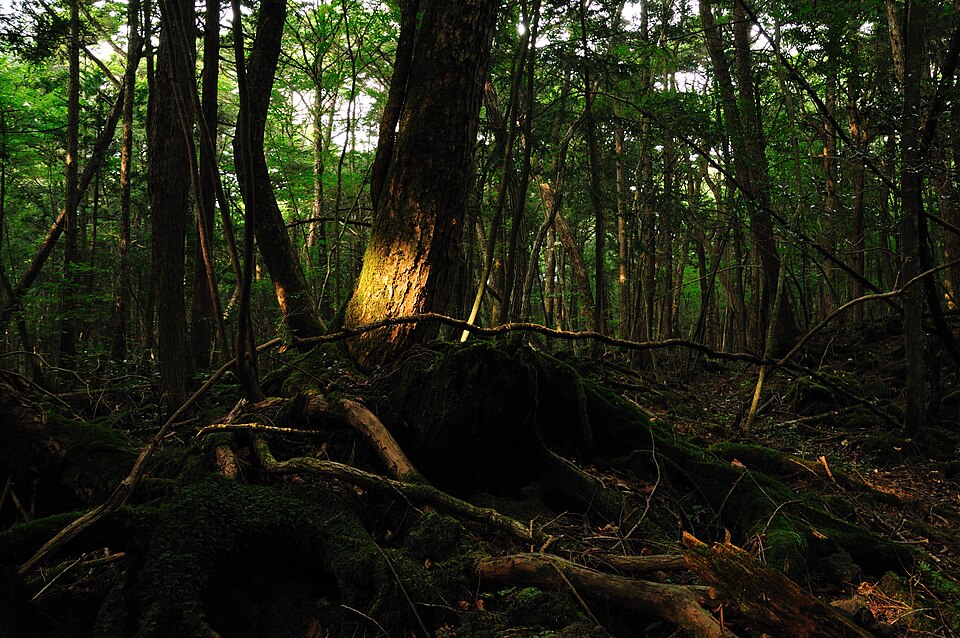
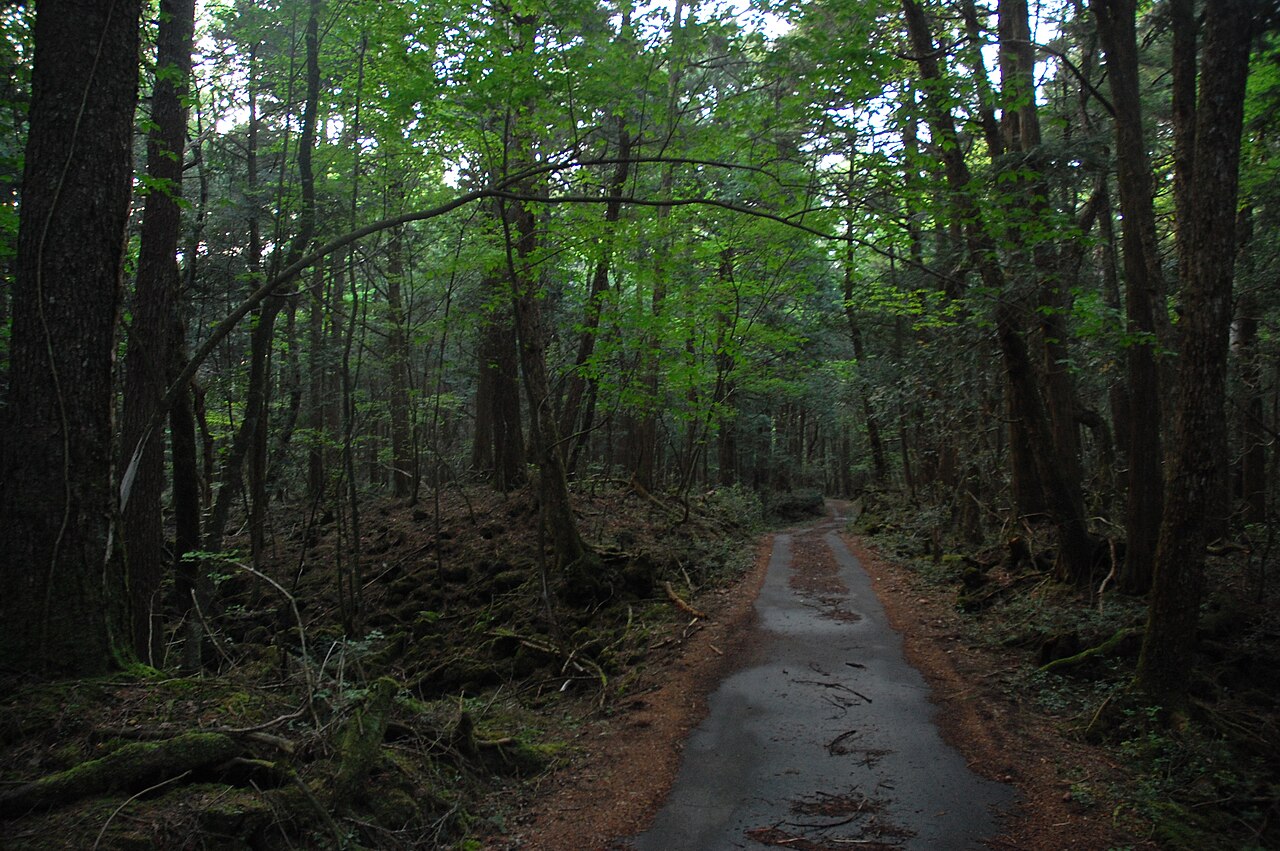
The second neighbor was Aokigahara, the dense “sea of trees” at the base of Mount Fuji long associated in Japan with suicide. A family theme park could hardly have chosen more unsettling company: a cheerful giant sprawled between a cult’s old chemical labs and a forest known for the dead.
What It Looked Like Toward the End
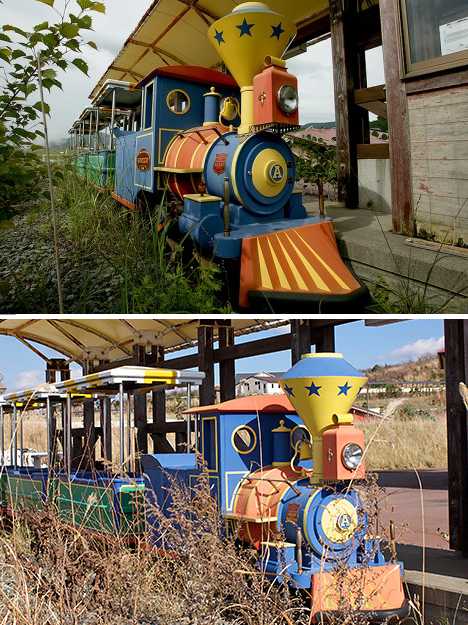
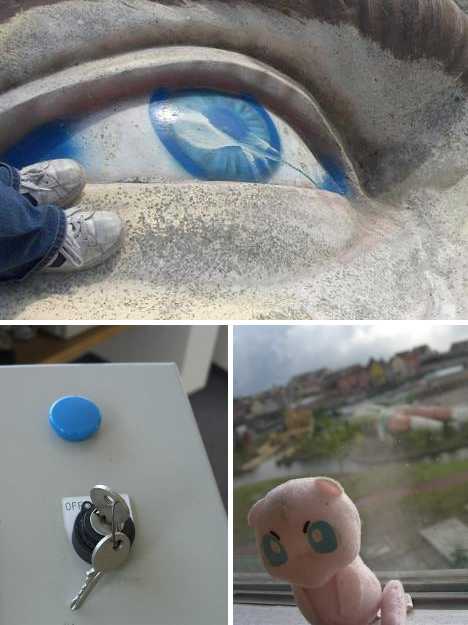
In its final years the park was a study in melancholy. The giant’s white paint weathered and cracked. Weeds pushed up through the walkways, and rust crept over the empty bobsled track. Photographs taken before demolition show the huge figure still lying there, mouth open to the grey sky, staked and silent, with the dark forested slopes pressing in behind him. Urban explorers who reached the site before it was cleared described an atmosphere less like an amusement park and more like a monument to something that had gone quietly wrong — a place that felt watched even when it was completely empty.
A Giant, Gone
Gulliver’s Kingdom lasted four years, sat abandoned for six more, and then disappeared almost entirely. What lingers is the image at its heart: a giant held down by ropes he could have snapped, in a place that never quite managed to escape its own shadow. Some ruins rot slowly. This one was simply erased — and somehow that makes it harder to forget.
One thought on “Gulliver’s Kingdom: Japan’s Abandoned Park Beside a Cult and a Forest”