
For ten years, a near-perfect copy of Disneyland sat rotting in the hills of western Japan. It had a Sleeping Beauty–style castle, a Main Street lined with shopfronts, a Matterhorn-style mountain, and a wooden roller coaster looming over it all — and not a single visitor. This is Nara Dreamland, the abandoned theme park that a Japanese businessman built after a deal with Walt Disney reportedly fell apart, only to watch the real Disney arrive decades later and quietly kill it.
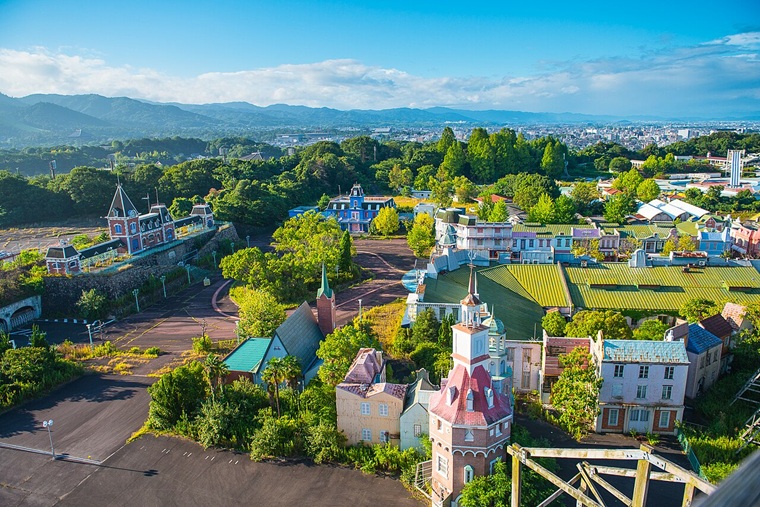
What Nara Dreamland Was
Nara Dreamland opened on July 1, 1961, in the hills above the ancient city of Nara. It was the dream of Kunizo Matsuo, a Japanese entrepreneur who had visited Disneyland in California soon after it opened in 1955 and wanted to bring the same magic home.
According to the widely repeated account, Matsuo met with Walt Disney and hoped to build an officially licensed Japanese Disneyland. The deal collapsed over licensing terms, so Matsuo pressed ahead on his own — building a park that looked strikingly like Disneyland without carrying its name or characters.
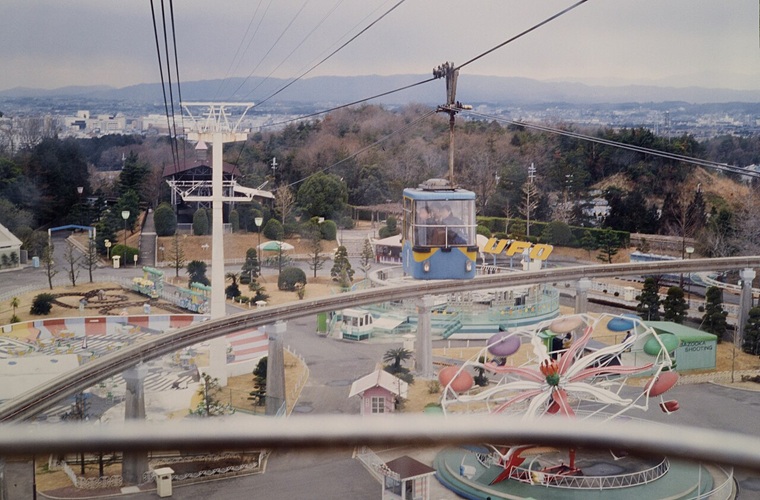
The resemblance was uncanny. There was a Main Street lined with early-1900s American storefronts, a fairytale castle borrowed straight from Sleeping Beauty, a snow-capped Matterhorn-style mountain with a bobsled ride, and a monorail called the Space Liner gliding overhead. The star attraction was Aska, a huge wooden roller coaster modeled on the famous Cyclone at Coney Island, its white lattice of timber rattling as trains thundered over the drops. There was also a steel Screw Coaster, an Autopia-style car ride, and a jungle-cruise boat trip. Guests strolled the same paths, posed before the same castle, and rode the same kinds of attractions they would have found in Anaheim — just under a different name. For a while, it worked beautifully.
Why It Was Abandoned
In its golden years, Nara Dreamland drew more than 1.6 million visitors a year. Then the real thing showed up.
When Tokyo Disneyland opened in April 1983 — this time a genuine, fully licensed Disney park — Nara Dreamland’s crowds began to thin. Annual attendance slid toward a million and kept falling. The killing blow came in 2001, when both Universal Studios Japan and Tokyo DisneySea opened within months of each other. Families now had world-class, brand-name parks to choose from, and a decades-old imitation in the Nara hills could not compete.
By the mid-2000s, attendance had reportedly collapsed to around 400,000 a year, and the park was aging badly. On August 31, 2006, after 45 years, Nara Dreamland closed its gates for the last time. There was no disaster and no scandal — just a slow defeat by the very idea it had copied.
The Eerie Part: A Theme Park Frozen in Time
What made Nara Dreamland famous around the world was what happened next: almost nothing.
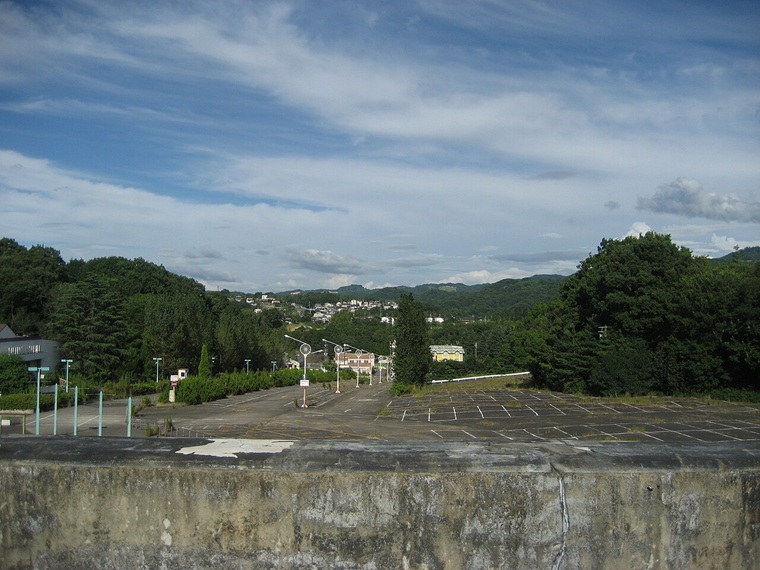
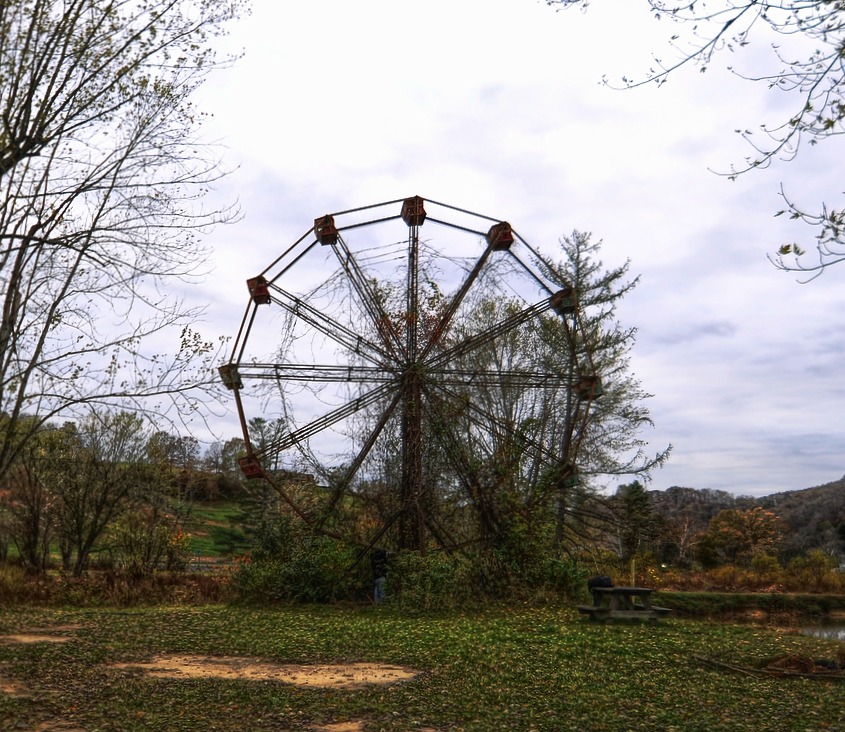
Instead of being torn down, the park was simply locked up and left. For roughly ten years, it sat frozen — rides still standing, ticket booths still in place, signs still hanging. The castle faded from white to grey. Grass and weeds swallowed Main Street. The Aska coaster’s wooden frame slowly rotted in the weather, its track sagging over an empty, silent park where children had once screamed with delight.
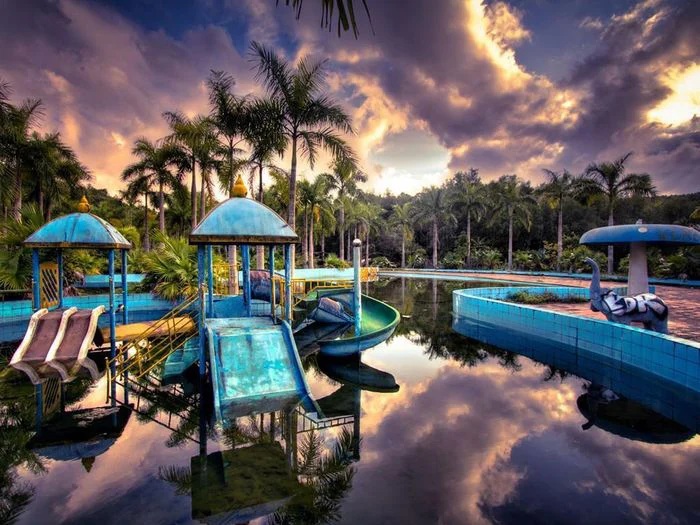
Security guards patrolled the grounds, but that didn’t stop the site from becoming a legend among urban explorers. Photographers slipped past the fences to capture the surreal scenes: a merry-go-round standing still in the gloom, a drained log-flume channel, character statues that trespassers had reportedly moved into strange new poses. Moss crept over the bumper cars, rust bled down the coaster supports, and daylight fell through the cracked roofs of buildings that no one had entered in years. In photos, Nara Dreamland looked less like a ruin and more like a place where everyone had vanished mid-afternoon — a Disneyland caught in the moment after the magic switched off.
What It Looks Like Today
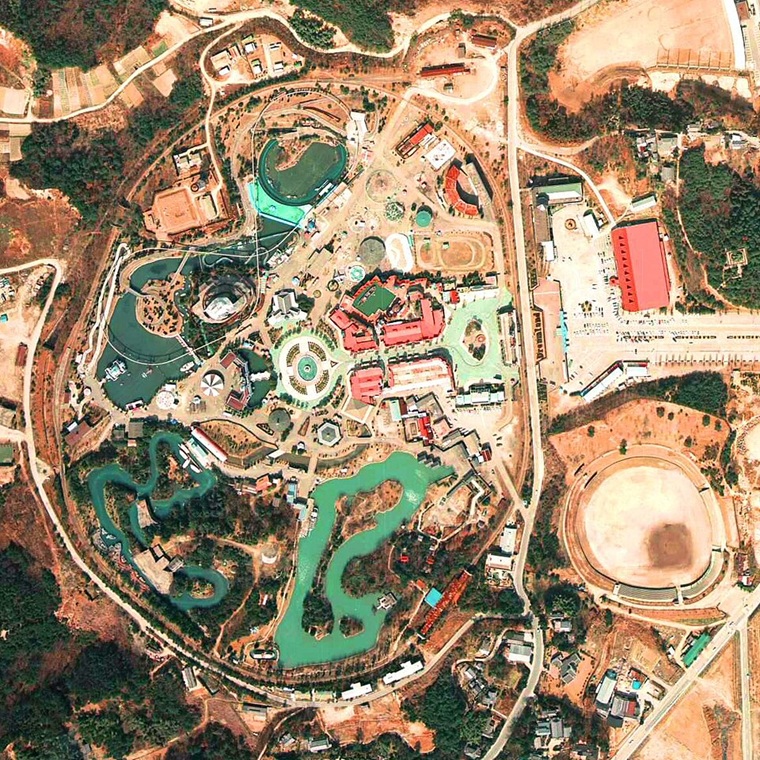
The frozen years are over. In 2015 the property was sold — reportedly to an Osaka real-estate company, SK Housing, for around 730 million yen (roughly six million US dollars). Demolition began in October 2016, and crews spent more than a year methodically dismantling the park, tearing down some 30 rides and 75 buildings before the work finished on December 21, 2017.
The castle is gone. Aska is gone. Main Street, the Matterhorn, the monorail — all cleared away, leaving bare, reclaimed land where a dream once stood. Like [another Disneyland-style park Japan left to rot](#), Nara Dreamland now survives only in the thousands of eerie photographs taken during its abandoned decade. The imitation outlived its own gates by ten quiet years — and then it, too, was erased.
One thought on “Inside Nara Dreamland, Japan’s Abandoned Disneyland Clone”