
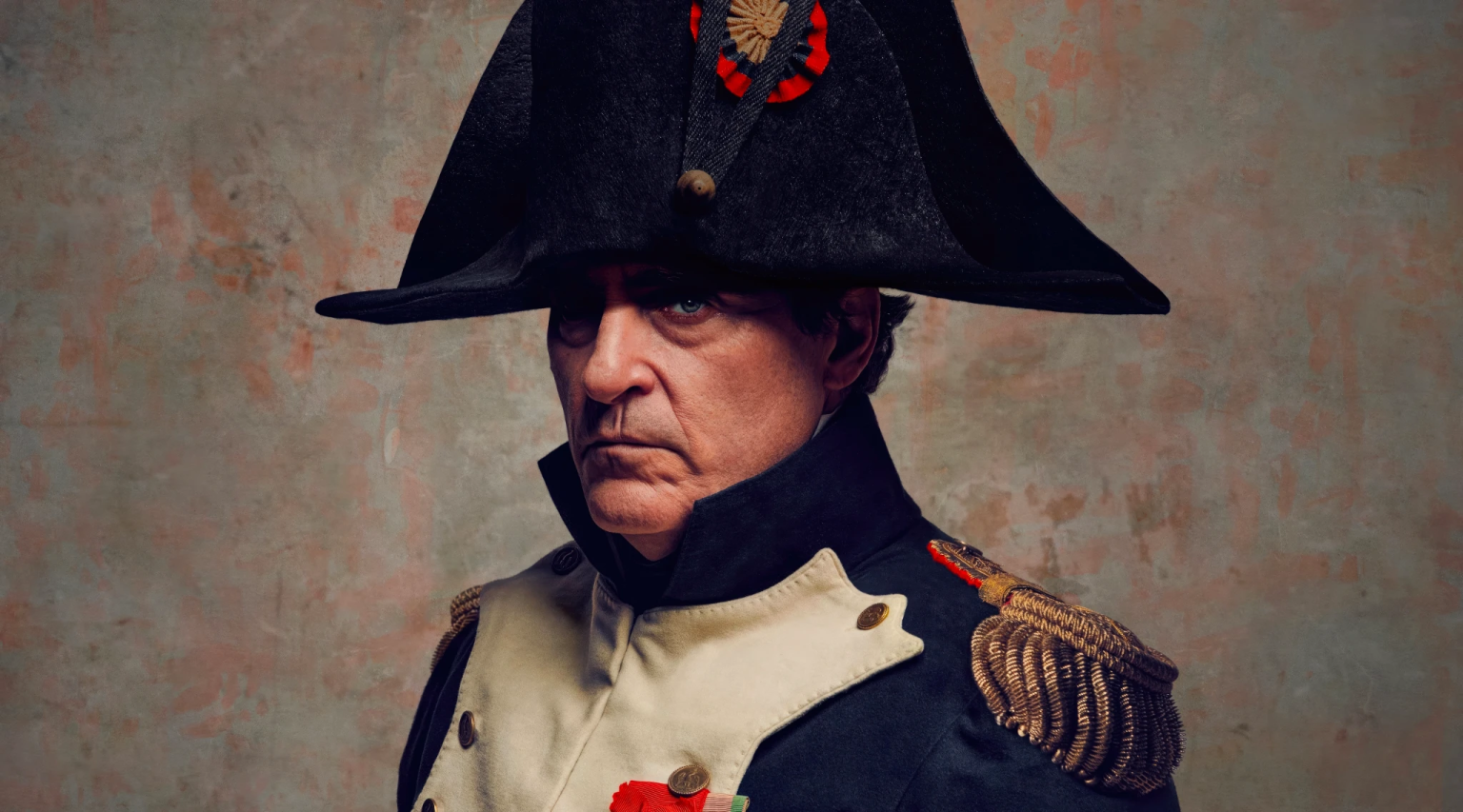
Everyone calls him France's greatest leader. But Napoleon Bonaparte wasn't really French — not at birth, not in language, not in culture.
He was born Napoleone di Buonaparte on August 15, 1769, in Ajaccio, Corsica. France had only acquired the island from Genoa the year before, ending 500 years of Genoese control. Napoleon didn't enter the world as a Frenchman. He entered it as a Corsican who happened to be born in newly French territory.
The Italian influence ran deep. His name was Italian. His first language wasn't French — it was a local dialect closer to Italian. As a young man, his attention wasn't on France at all. He cared about Corsican politics. Corsican independence. Corsican identity.
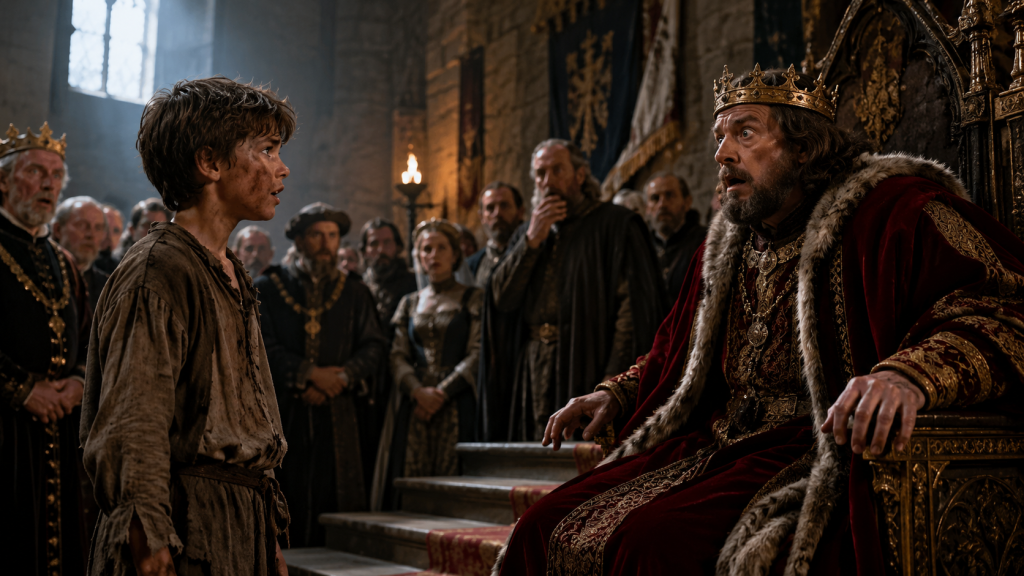
When he was sent to school on mainland France, the gap became impossible to ignore. Classmates mocked his accent. They laughed at his name. He was an outsider in the country he would one day rule.
The transformation came after the French Revolution. Napoleon saw the shift in power and made a calculated move — he aligned himself with France's new political order. He dropped the Italian elements of his name. Napoleone di Buonaparte became Napoleon Bonaparte. A new identity, built deliberately.
Then came 1793. Corsica fractured. The island's independence leader, Pasquale Paoli, broke from revolutionary France and sought British support for autonomy. The Bonaparte family sided with the French Republic — a dangerous choice. Paoli's followers branded them traitors. Their home in Ajaccio was looted. The family fled under what contemporary accounts describe as mortal danger.
That exile sealed everything. Napoleon had been returning to Corsica regularly, still tied to the island he grew up on. Losing that foothold changed him. He stopped looking back. He committed fully to the French army — and never really returned.
The man who became the face of France spent his early years wanting nothing to do with it. History has a way of making that kind of irony look inevitable.