Last updated:
During the Vietnam War, thousands of Hmong fighters in Laos fought for the United States in a CIA-run “Secret War.” When the war ended in 1975, the Hmong lost their homeland. Tens of thousands fled across the Mekong River to Thailand, while those who stayed faced reprisals. Over the next two decades, more than 100,000 Hmong refugees resettled in the United States — the beginning of today’s Hmong American communities in California, Minnesota and Wisconsin.
Key Facts
- Who: the Hmong, a mountain people of Laos, Vietnam, China and Thailand
- The Secret War: 1961–1975, a CIA-backed war in Laos against the Pathet Lao and North Vietnam
- Leader: Gen. Vang Pao
- Hmong soldiers killed: an estimated 30,000–40,000, plus about 3,000 missing
- The end: May 14, 1975 — the last evacuation flights leave Long Tieng
- Resettled worldwide, 1975–1997: about 140,000 Hmong and other highland Lao, most in the U.S.
- Hmong Americans today: roughly 350,000
Who Are the Hmong?
The Hmong are an ethnic group whose ancestors migrated from southern China into the mountains of Southeast Asia over the past two centuries. In Laos, they lived in villages high in the hills, growing rice and corn on mountain slopes. They had their own language and clan system, and, until the 1950s, no common written alphabet.
Today, Hmong communities still live in Laos, China, Thailand and Vietnam, where the government counts about 1.4 million Hmong. But the story of the Hmong in America begins with a war most Americans never heard about at the time.
The Secret War in Laos
Laos was officially neutral under a 1962 international agreement. In practice, North Vietnam used eastern Laos for the Ho Chi Minh Trail, its supply route to the war in South Vietnam, and backed the Laotian communist movement, the Pathet Lao.
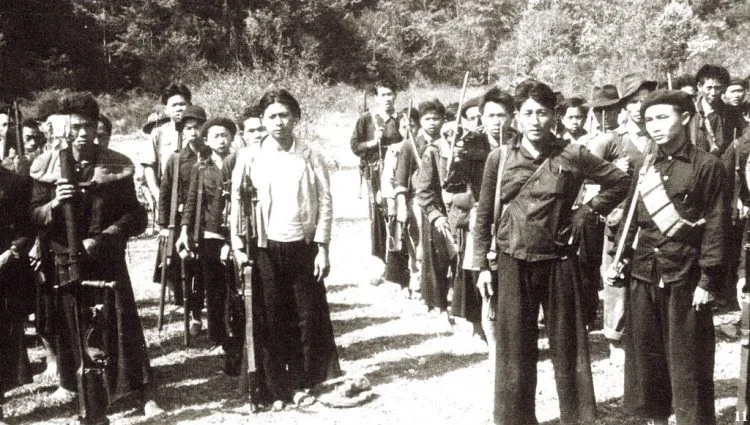
The United States could not openly send troops. Instead, beginning in 1961, the CIA recruited, armed and paid Hmong fighters under a young Hmong officer named Vang Pao. Over the next 14 years, his forces — known as Special Guerrilla Units — fought North Vietnamese and Pathet Lao troops in northern Laos, guarded U.S. radar sites and rescued American pilots shot down over Laos and North Vietnam.
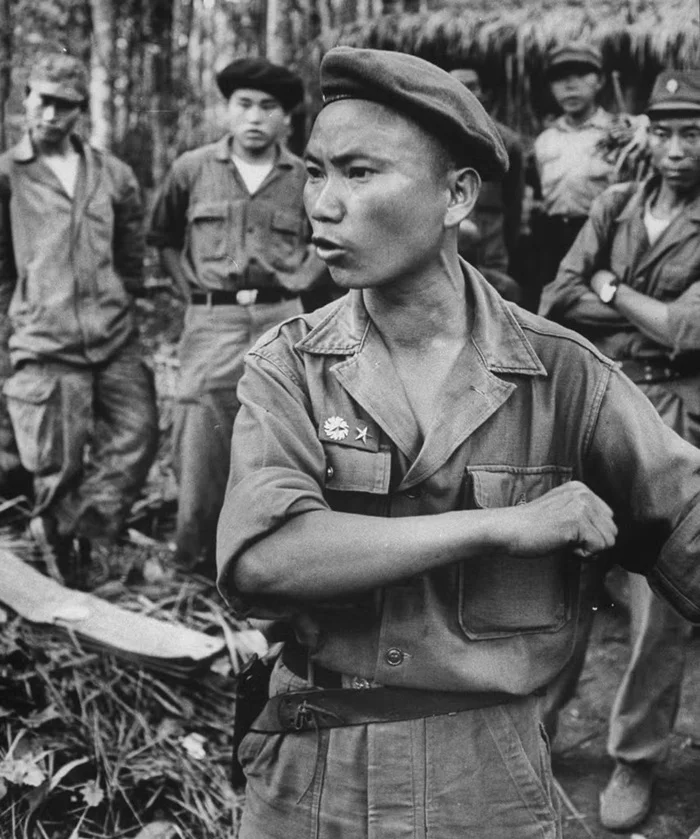
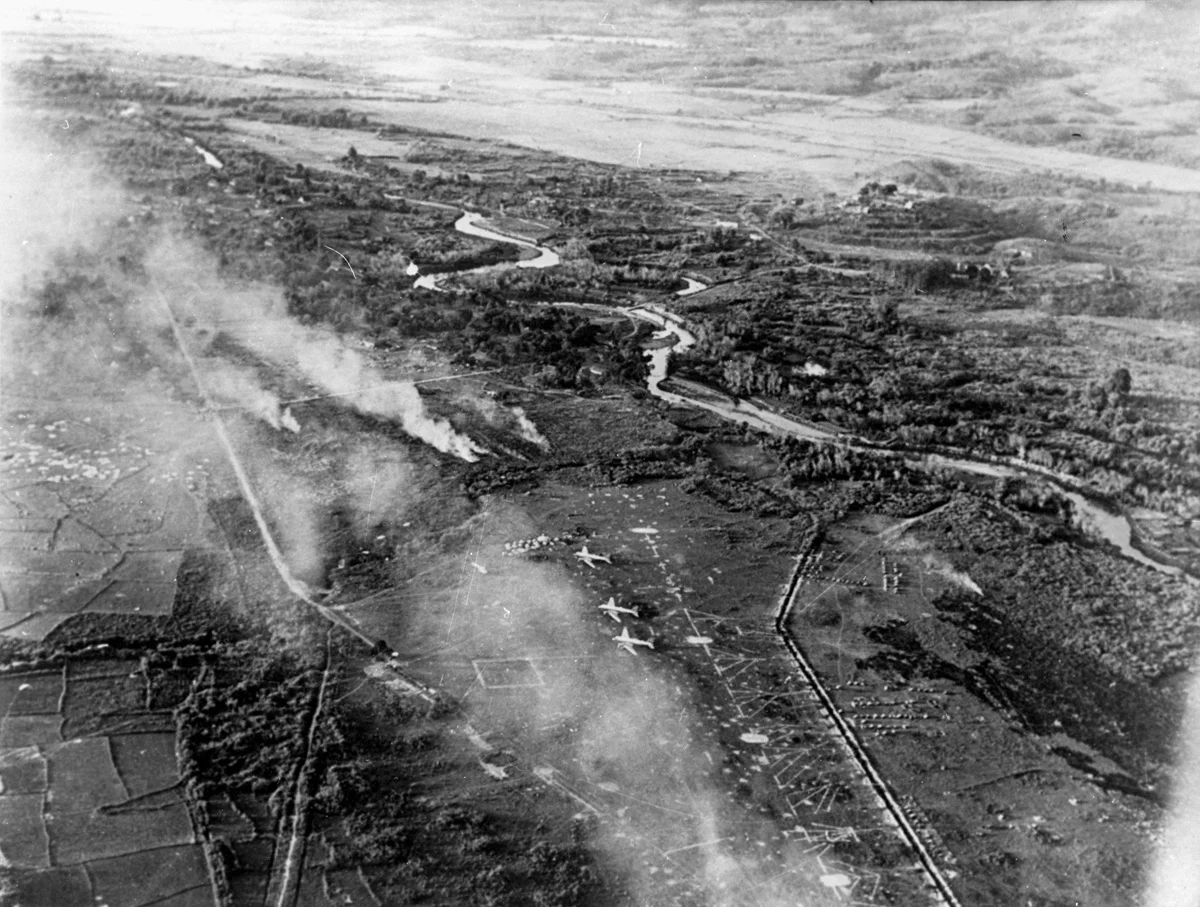
Their headquarters was Long Tieng, a valley base that grew into a town of tens of thousands but appeared on no public maps. American planes from Air America, a CIA-owned airline, flew in rice, weapons and ammunition every day.
The cost was enormous. Estimates of Hmong soldiers killed range from 30,000 to 40,000, with about 3,000 more missing. By the early 1970s, boys in their early teens were being sent into combat, because so many men had died.
May 1975: The Last Flights From Long Tieng
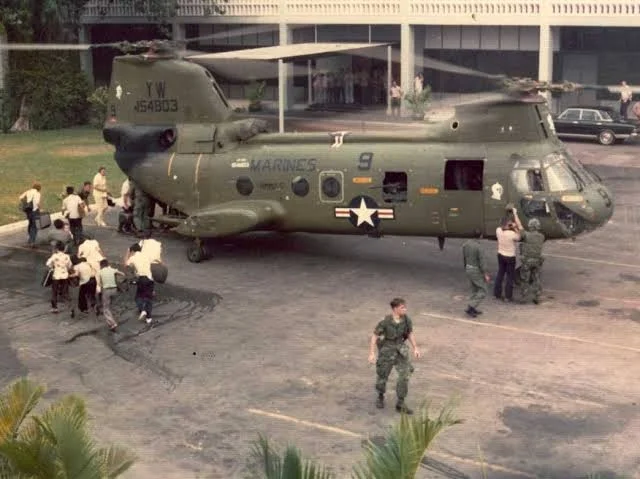
When South Vietnam collapsed in April 1975, the Hmong position in Laos collapsed with it. The Pathet Lao were now in control, and a communist newspaper called for the Hmong to be wiped out “to the root.”
By early May, tens of thousands of Hmong soldiers and families had gathered at Long Tieng, hoping to be evacuated. There were almost no American resources left in the region. A single CIA officer, Jerry Daniels, organized an airlift using a handful of transport planes.
Between May 10 and 14, the planes carried about 2,500 Hmong officers and family members to Thailand. On May 14, Vang Pao himself was flown out. That afternoon, the last plane left — and thousands of people were still standing on the runway. Today, May 14 is marked as Hmong American Day or Lao–Hmong Recognition Day in several U.S. states.
Escape Across the Mekong
For those left behind, the only way out was on foot. Over the following months and years, tens of thousands of Hmong walked through the jungle toward Thailand, often hunted by soldiers. The final obstacle was the Mekong River. Many crossed at night on bamboo rafts or by clinging to inflated tubes. Many drowned or were shot.
Those who made it ended up in Thai refugee camps such as Ban Vinai, which at times held more than 40,000 people. Some families lived in the camps for over a decade.
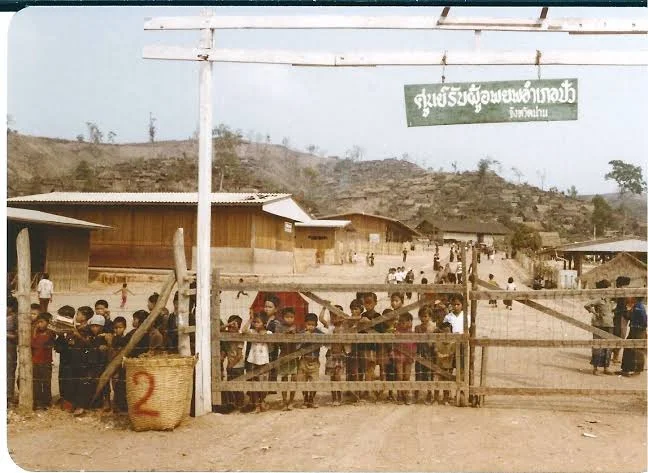
Not everyone left. Hmong who stayed in Laos faced “re-education” camps and suspicion from the new government. Some groups retreated deep into the mountains and kept fighting or hiding for years — a few small bands did not come out of the jungle until the 2000s. Human rights groups and members of Congress have accused Laos of attacks on these groups; the Lao government has denied targeting civilians. U.S. claims in the late 1970s that the Hmong were attacked with chemical weapons, called “yellow rain,” remain disputed.
A New Life in America
The first Hmong refugees arrived in the United States in late 1975. Over the next two decades, more than 100,000 followed. Worldwide, about 140,000 Hmong and other highland Lao were resettled between 1975 and 1997, the great majority in the United States, with smaller numbers in France, Australia and Canada.
The move was a shock. Many families had never lived with electricity, running water or snow. Most adults spoke no English, and many had never learned to read in any language. Resettlement agencies scattered families across the country, but clans soon regrouped in places such as Fresno and Sacramento in California, the Twin Cities of Minnesota, and Wisconsin.
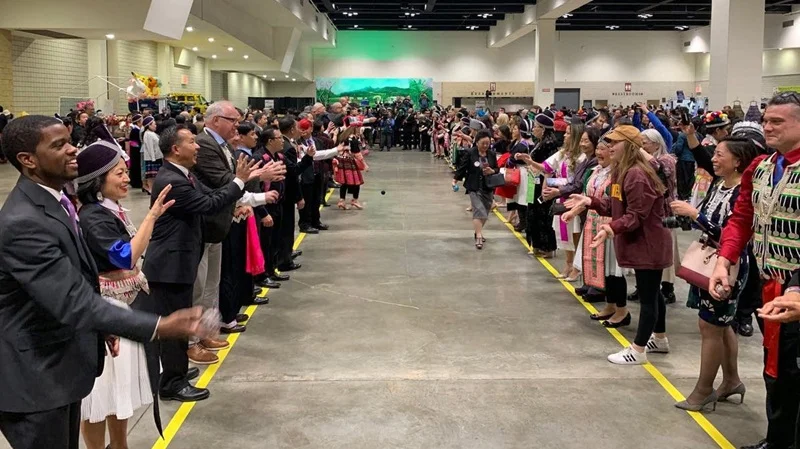
The first years were hard, with high poverty and unemployment. Over time, a new generation grew up in America. Today there are roughly 350,000 Hmong Americans. The Twin Cities of St. Paul and Minneapolis are home to the largest urban Hmong community in the country, and California has the largest Hmong population of any state. Hmong Americans have served in state legislatures, city councils and the U.S. military, and at the Tokyo Olympics, Minnesota gymnast Sunisa Lee became the first Hmong American Olympic champion.
| Year | What happened |
|---|---|
| 1961 | CIA begins arming Hmong fighters under Vang Pao |
| 1962 | Geneva agreement declares Laos neutral; the war goes “secret” |
| 1961–1975 | An estimated 30,000–40,000 Hmong soldiers killed |
| May 14, 1975 | Last evacuation flights leave Long Tieng |
| December 1975 | First large group of Hmong refugees reaches the U.S. |
| 1975–1997 | About 140,000 Hmong and other highland Lao resettled worldwide |
| 2000 | Hmong Veterans’ Naturalization Act eases citizenship for veterans |
| 2018 | Hmong veterans gain the right to burial in U.S. national cemeteries |
Recognition at Last
For decades, Hmong veterans felt forgotten. The war they fought had been officially secret, and many had no papers to prove their service. In 2000, Congress passed the Hmong Veterans’ Naturalization Act, making it easier for veterans and their widows to become citizens. In 1997, a plaque honoring the Hmong and Lao veterans was placed at Arlington National Cemetery. And in 2018, a new law allowed Hmong veterans who fought in the Secret War to be buried in U.S. national cemeteries.
Why the Hmong Story Matters to Americans
The Hmong fought for the United States in a war it would not admit it was fighting — and paid a heavier price, relative to their numbers, than almost anyone else. Their story is part of what came after the Vietnam War, alongside the South Vietnamese soldiers, the Montagnards and the boat people. It is also an American story: of a people who arrived with almost nothing and built communities that are now part of the fabric of Minnesota, Wisconsin and California. For the wider war, see our clear Vietnam War summary.
Keep Reading
- Why Are Americans Still Missing in Vietnam 50 Years Later?
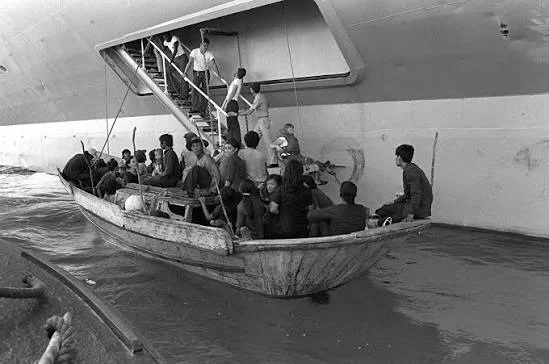
- What Happened to the Vietnamese Boat People? Where They Went, How Many Died, and Why the Camps Closed
- What Happened to Amerasian Children After the Vietnam War?
- How Did the Cu Chi Tunnels Work? Inside the Underground War — and the Tunnel Rats Sent to Fight It
- Why the 17th Parallel? How Vietnam’s Dividing Line Was Chosen in 1954
Frequently Asked Questions
How many Hmong died in the Vietnam War?
An estimated 30,000 to 40,000 Hmong soldiers were killed in the Secret War in Laos between 1961 and 1975, with about 3,000 more missing. Many civilians also died, both during the war and while fleeing afterward; no reliable total exists.
Why did the Hmong help the United States?
The CIA recruited, armed and paid Hmong fighters to resist North Vietnamese and Pathet Lao forces in Laos. Many Hmong were defending their own villages and land, and their leaders believed the U.S. would protect them if the war was lost.
Are there still Hmong in Vietnam?
Yes. Vietnam has about 1.4 million Hmong, mostly in the northern mountains. Large Hmong populations also live in Laos, China and Thailand.
Why are there so many Hmong in Minnesota?
After 1975, churches and resettlement agencies in Minnesota sponsored many Hmong refugee families, and relatives later joined them. The Twin Cities now have the largest urban Hmong community in the U.S.
What happened at Long Tieng in 1975?
Long Tieng was the CIA and Hmong headquarters in Laos. Between May 10 and 14, 1975, a small airlift evacuated about 2,500 Hmong, including Gen. Vang Pao, to Thailand before the base was abandoned; thousands more were left behind.
Sources
- Hmong Museum (Minnesota) — “Veterans’ Voices: The Secret War”
- Minnesota Historical Society — MNopedia, “Hmong in Minnesota”
- Congressional Record, June 3, 2025 — Rep. Jim Costa, “50th Anniversary of the Hmong Exodus”
- Gayle L. Morrison, Sky Is Falling: An Oral History of the CIA’s Evacuation of the Hmong from Laos (1999)
- Keith Quincy, Harvesting Pa Chay’s Wheat: The Hmong and America’s Secret War in Laos (2000)
- Wikipedia — “Indochina refugee crisis” (resettlement figures, citing UNHCR)