Last updated:
No. As of 2026, France has never formally apologized to Vietnam for nearly a century of colonial rule or for the First Indochina War (1946–1954). French presidents have made gestures of reconciliation — visiting Dien Bien Phu, honoring Vietnam’s independence fighters, and calling for the past to be faced honestly — but none has issued an official apology. Vietnam, for its part, has never demanded one. Today the two countries are close partners.
Key Facts
- French rule: conquest from 1858 to 1885; colonial rule until 1945
- War: First Indochina War, 1946–1954, ending in French defeat at Dien Bien Phu
- Formal apology: none (as of 2026)
- Diplomatic relations: established with North Vietnam in 1973
- Key visits: Mitterrand (1993), Chirac (1997, 2004), Hollande (2016), Macron (2025)
- Relationship today: Comprehensive Strategic Partnership (2024)
- Vietnam’s position: “put the past behind, look to the future”
What France Has Not Apologized For
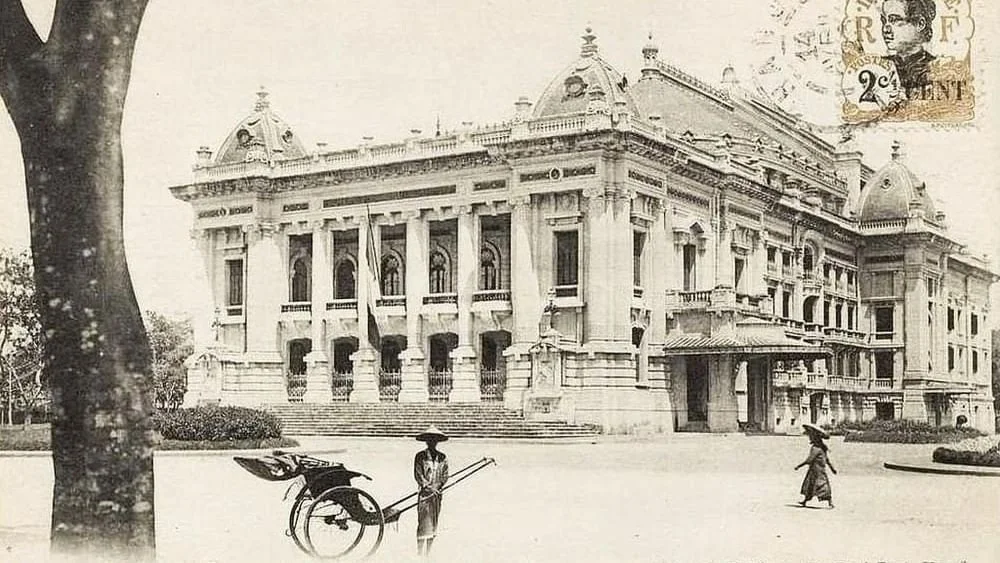
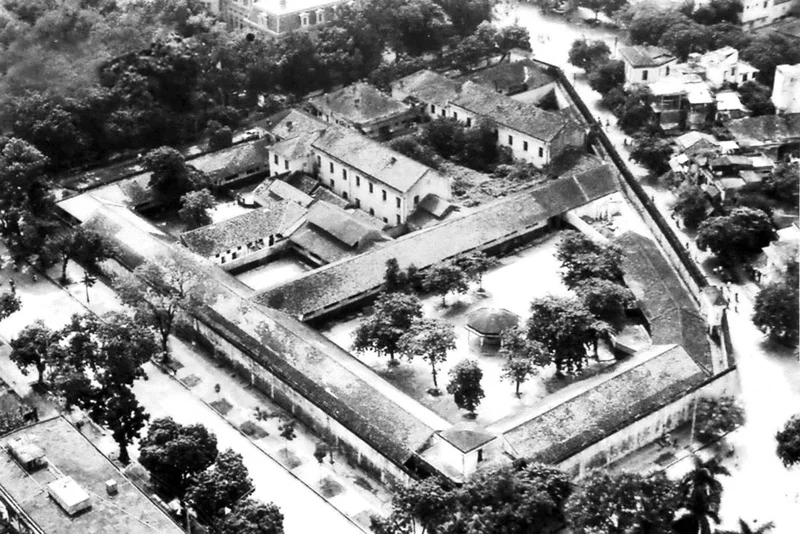
France conquered Vietnam step by step between 1858 and 1885 and ruled it, as part of French Indochina, until World War II. French rule brought railways, cities and schools for a few, but for most Vietnamese it meant heavy taxes, forced labor and the loss of land. Workers on French rubber plantations faced brutal conditions. Political opponents were jailed in prisons such as Hoa Lo in Hanoi and the island prison of Poulo Condore, notorious for its “tiger cages.”
In 1944–45, a famine in northern Vietnam, made worse by Japanese and French wartime policies, killed an estimated 1 to 2 million people. Then, after Ho Chi Minh declared independence in 1945, France fought a nine-year war to take the country back. Hundreds of thousands of Vietnamese died, along with tens of thousands of French Union soldiers.
Gestures of Reconciliation
Instead of an apology, France has offered a series of symbolic steps.
1993 — François Mitterrand. In February 1993, Mitterrand became the first Western head of state to visit Vietnam since its reunification. He traveled to Dien Bien Phu, the site of France’s great defeat, and spoke of turning the page while respecting the memory of the dead on both sides.
1997 and 2004 — Jacques Chirac. Chirac attended the summit of French-speaking nations in Hanoi in 1997 and returned in 2004, focusing on trade, culture and the French language.
2016 — François Hollande. Hollande’s state visit emphasized economic ties and education.
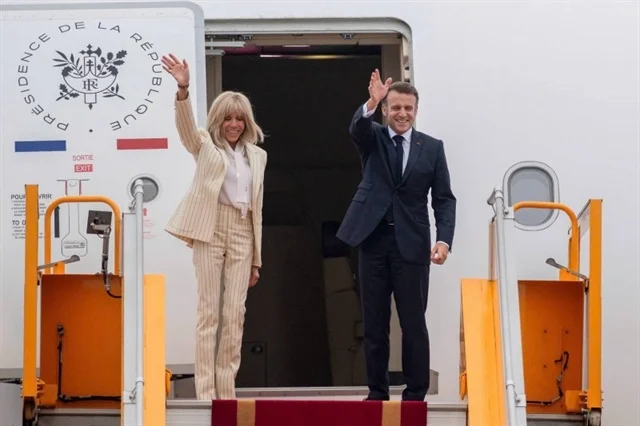
2025 — Emmanuel Macron. In May 2025, Macron made the first visit by a French president in nearly a decade. He laid a wreath at a monument in Hanoi honoring those who had fought for Vietnam’s independence, including against French rule, and met young Vietnamese. It was widely seen as a gesture of respect — but not an apology.
Why Hasn’t France Apologized?
There are several reasons, and historians and commentators weigh them differently.
- France rarely makes formal colonial apologies. Even with Algeria, where the history is far more bitter in France itself, French presidents have acknowledged crimes and responsibility for specific events but have stopped short of a general apology.
- Vietnam has not asked for one. Hanoi’s official line is to “put the past behind and look to the future.” Its leaders have focused on trade, investment and diplomatic support.
- Domestic politics. In France, the colonial past remains a sensitive subject, and many veterans of Indochina and their families see the war differently.
- Vietnam won. Some observers note that, as the victor of 1954, Vietnam has less reason to seek recognition than peoples who never won their struggle.
How Does Vietnam Feel About France Today?
Remarkably warmly, at least officially. France and North Vietnam established diplomatic relations in 1973. In 2013 the two countries signed a strategic partnership, and in October 2024 they upgraded it to a Comprehensive Strategic Partnership, Vietnam’s highest level of diplomatic ties. France is a major source of aid and investment, and Vietnam is a member of the international organization of French-speaking countries.
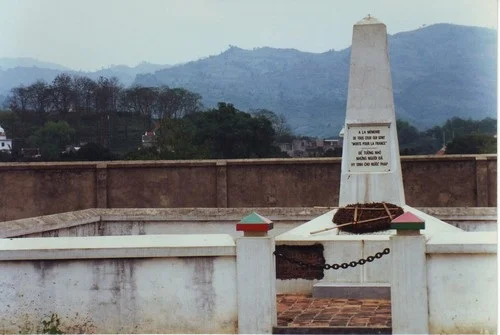
Many Vietnamese see French-era buildings, baguettes and coffee culture as part of their own heritage. At the same time, the colonial period is taught in Vietnamese schools as a time of oppression and resistance, and museums such as Hoa Lo Prison present it in those terms. In 1994, Vietnam even allowed a memorial to French soldiers to be built at Dien Bien Phu.
| Year | Milestone in France–Vietnam relations |
|---|---|
| 1858 | French attack on Da Nang begins the conquest |
| 1945 | Vietnam declares independence |
| 1946–1954 | First Indochina War |
| 1973 | France establishes relations with North Vietnam |
| 1993 | Mitterrand visits, including Dien Bien Phu |
| 1994 | Memorial to French soldiers built at Dien Bien Phu |
| 2013 | Strategic partnership signed |
| 2024 | Upgraded to Comprehensive Strategic Partnership |
| 2025 | Macron’s state visit to Vietnam |
What About America? Did the U.S. Ever Apologize for the Vietnam War?
The United States has not formally apologized to Vietnam either. Some American leaders have expressed regret. In his 1995 memoir, former Defense Secretary Robert McNamara famously wrote that he and other leaders had been “wrong, terribly wrong” about the war. When President Bill Clinton visited Vietnam in 2000 — the first U.S. president to do so since the war — he spoke of shared suffering but did not apologize.
Like France, the U.S. has built a close relationship with its former enemy. Washington and Hanoi normalized relations in 1995 and upgraded them to a Comprehensive Strategic Partnership in 2023. The two countries now cooperate on cleaning up Agent Orange contamination and unexploded bombs, and on the search for missing American servicemen.
Why It Matters
The France–Vietnam story shows that reconciliation does not always require an apology. Two countries that fought a bitter war now call each other partners. But for many people, especially those whose families suffered, the absence of a formal acknowledgment still matters. For the full story of France’s war, see our summary of the First Indochina War.
Keep Reading
- Why Are Americans Still Missing in Vietnam 50 Years Later?
- What Happened to the Vietnamese Boat People? Where They Went, How Many Died, and Why the Camps Closed
- What Happened to Amerasian Children After the Vietnam War?
- How Did the Cu Chi Tunnels Work? Inside the Underground War — and the Tunnel Rats Sent to Fight It
- Why the 17th Parallel? How Vietnam’s Dividing Line Was Chosen in 1954
Frequently Asked Questions
Did France apologize to Vietnam for colonialism?
No. No French president has formally apologized for colonial rule in Vietnam or for the First Indochina War, though several have made gestures of reconciliation, including visits to Dien Bien Phu and Hanoi.
How does Vietnam feel about France today?
Officially, relations are warm. Vietnam and France have a Comprehensive Strategic Partnership (2024), strong trade and cultural ties, and Vietnam’s government follows a policy of putting the past behind.
Did the U.S. ever apologize for the Vietnam War?
No. Some U.S. officials have expressed regret, notably Robert McNamara in 1995, but there has been no formal apology. The two countries normalized relations in 1995.
Has France apologized to any of its former colonies?
France has acknowledged responsibility for specific events, such as some massacres during the Algerian War and its role in Rwanda in 1994, but it has not issued a general apology for colonialism.
Sources
- Élysée — “Visite d’État au Vietnam,” May 26–27, 2025
- The Vietnamese Magazine — “France and Việt Nam: Healing the Past, Building the Future” (2025)
- Viet Nam News — coverage of the 2025 state visit and the 2024 Comprehensive Strategic Partnership
- RFI — “Macron heads to Vietnam as France seeks bigger role in Indo-Pacific” (2025)
- Robert S. McNamara, In Retrospect: The Tragedy and Lessons of Vietnam (1995)
- Office of the Historian, U.S. Department of State — U.S.–Vietnam relations