The American Revolution grew out of a dispute over who had the right to tax and govern the colonies. After the Seven Years’ War ended in 1763, Britain was deep in debt and began taxing the American colonies directly for the first time, while also tightening control over trade and westward settlement. Colonists, who had no members in Parliament, protested that they could only be taxed by their own elected assemblies. Over thirteen years, protests turned into boycotts, then violence, then war in 1775 — and on July 4, 1776, a formal declaration of independence.
Few colonists in 1763 imagined leaving the British Empire. Most were proud to be British. Understanding how that changed is the key to understanding the Revolution.
Key Facts
- Period: 1763 (end of the Seven Years’ War) to July 1776 (Declaration of Independence)
- Core issue: whether Parliament, where the colonies had no representatives, could tax them
- Key flashpoints: Stamp Act (1765), Boston Massacre (1770), Boston Tea Party (1773), Intolerable Acts (1774)
- War begins: Lexington and Concord, April 19, 1775
- Independence declared: July 4, 1776
Why Did Britain Start Taxing the Colonies?
Britain won the Seven Years’ War — called the French and Indian War in America — in 1763 and took Canada and much of the land east of the Mississippi from France. But the victory nearly doubled Britain’s national debt, and keeping an army in North America to guard the new frontier would cost even more.
To London, it seemed fair for the colonies to help pay. The army had been defending them, and colonists paid far lower taxes than people living in Britain. Parliament also believed, as a matter of principle, that it had full authority over every part of the empire.
At the same time, the Proclamation of 1763 barred colonists from settling west of the Appalachian Mountains, to reduce conflict with Native American nations. Many colonists, especially land speculators and would-be settlers, saw that as taking away what they had fought for.
What Did “No Taxation Without Representation” Mean?
Colonists did not object to all taxes. They had always paid taxes passed by their own colonial assemblies. What they rejected was taxation by Parliament in London, where they had no elected members. Under the traditional rights of Englishmen, they argued, a free people could only be taxed with their own consent.
British leaders answered that the colonists were “virtually represented” in Parliament, just like the many people in Britain who could not vote. Colonists found that argument unconvincing.
From Taxes to Bloodshed: How the Crisis Escalated
| Year | British action | Colonial response | Result |
|---|---|---|---|
| 1764 | Sugar Act: duties on molasses and stricter enforcement | Protests by merchants | First organized complaints about Parliament’s taxes |
| 1765 | Stamp Act: tax on newspapers, legal documents and other printed paper | Riots, Sons of Liberty, Stamp Act Congress, boycotts | Repealed in 1766 — but Parliament declared it could still make laws for the colonies “in all cases whatsoever” |
| 1767 | Townshend Acts: duties on glass, paint, paper and tea | Boycotts of British goods; troops sent to Boston in 1768 | Most duties repealed in 1770; tax on tea kept |
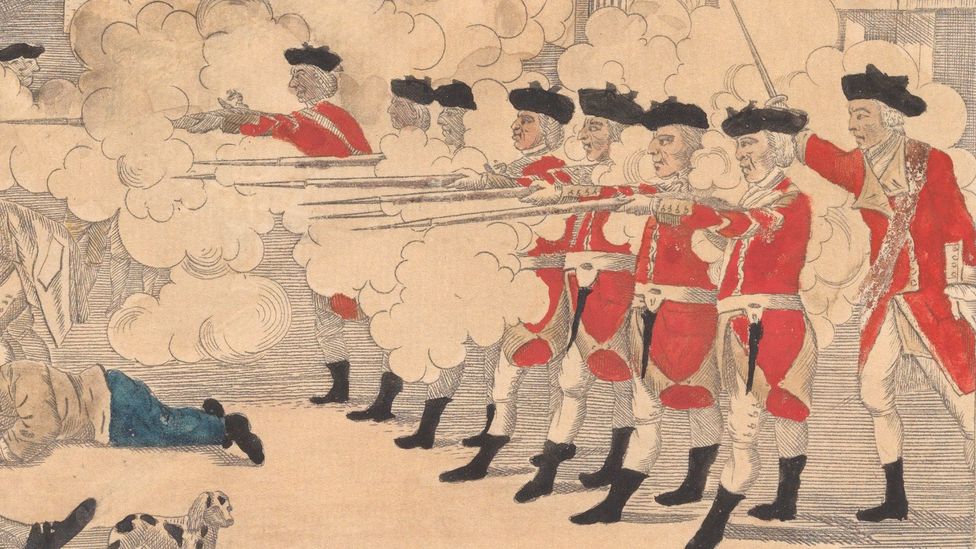
| 1770 | Soldiers stationed in Boston | Clash on King Street; soldiers fire into a crowd | Boston Massacre: five colonists killed |
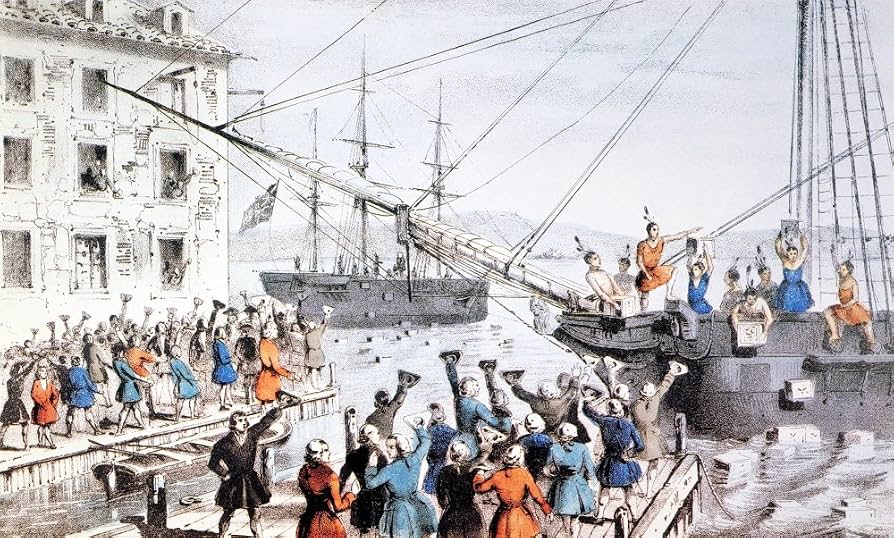
| 1773 | Tea Act: helped the East India Company sell tea directly | Boston Tea Party: 342 chests dumped into the harbor | London decides to punish Boston |
| 1774 | Coercive Acts (“Intolerable Acts”): Boston’s port closed, Massachusetts government restricted | First Continental Congress; colonies unite in support of Boston | Militias begin training and stockpiling arms |
| 1775 | Troops sent to seize arms at Concord | Militia fight at Lexington and Concord | War begins |
The Boston Massacre
On March 5, 1770, a crowd confronted British soldiers on King Street in Boston, throwing snowballs, ice and insults. The soldiers fired, killing five people, including Crispus Attucks, a man of African and Native American descent. Paul Revere’s dramatic engraving of the scene spread across the colonies as propaganda. In court, the soldiers were defended by a Boston lawyer named John Adams, and most were acquitted.
The Boston Tea Party
The Tea Act of 1773 actually made legal tea cheaper. But it kept the tax Parliament had imposed and gave one company a near-monopoly. On the night of December 16, 1773, colonists, some thinly disguised as Mohawk Indians, boarded three ships in Boston Harbor and dumped 342 chests of tea overboard. To Parliament, it was lawless destruction of property. To many colonists, it was a stand against taxation without consent.
How London Saw It
It’s easy to tell this story only from the colonists’ side. From London, the picture looked different:
- Britain had just spent heavily to protect the colonies from France and its Native allies.
- The new taxes were modest, and colonists paid less than people in Britain.
- Each time Parliament backed down — repealing the Stamp Act, then most of the Townshend duties — the protests grew rather than ending.
- The destruction of private property in Boston looked like open defiance that, if tolerated, could spread throughout the empire.
Many in Parliament believed firmness would isolate a few radicals in Massachusetts. Instead, the Intolerable Acts united the colonies.
When Did Colonists Start Wanting Independence?
Later than most people think. Even after fighting began at Lexington and Concord in April 1775 — sparked when riders such as Paul Revere warned that British troops were on the march — most members of Congress still hoped to reconcile with Britain. In July 1775, Congress sent King George III the “Olive Branch Petition,” asking him to intervene.
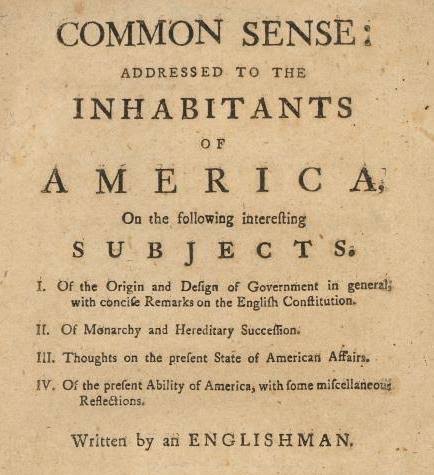
The king refused to receive it and instead declared the colonies in open rebellion. Then, in January 1776, Thomas Paine published Common Sense, a plain-spoken pamphlet attacking the very idea of monarchy. It sold enormous numbers of copies and shifted public opinion fast.
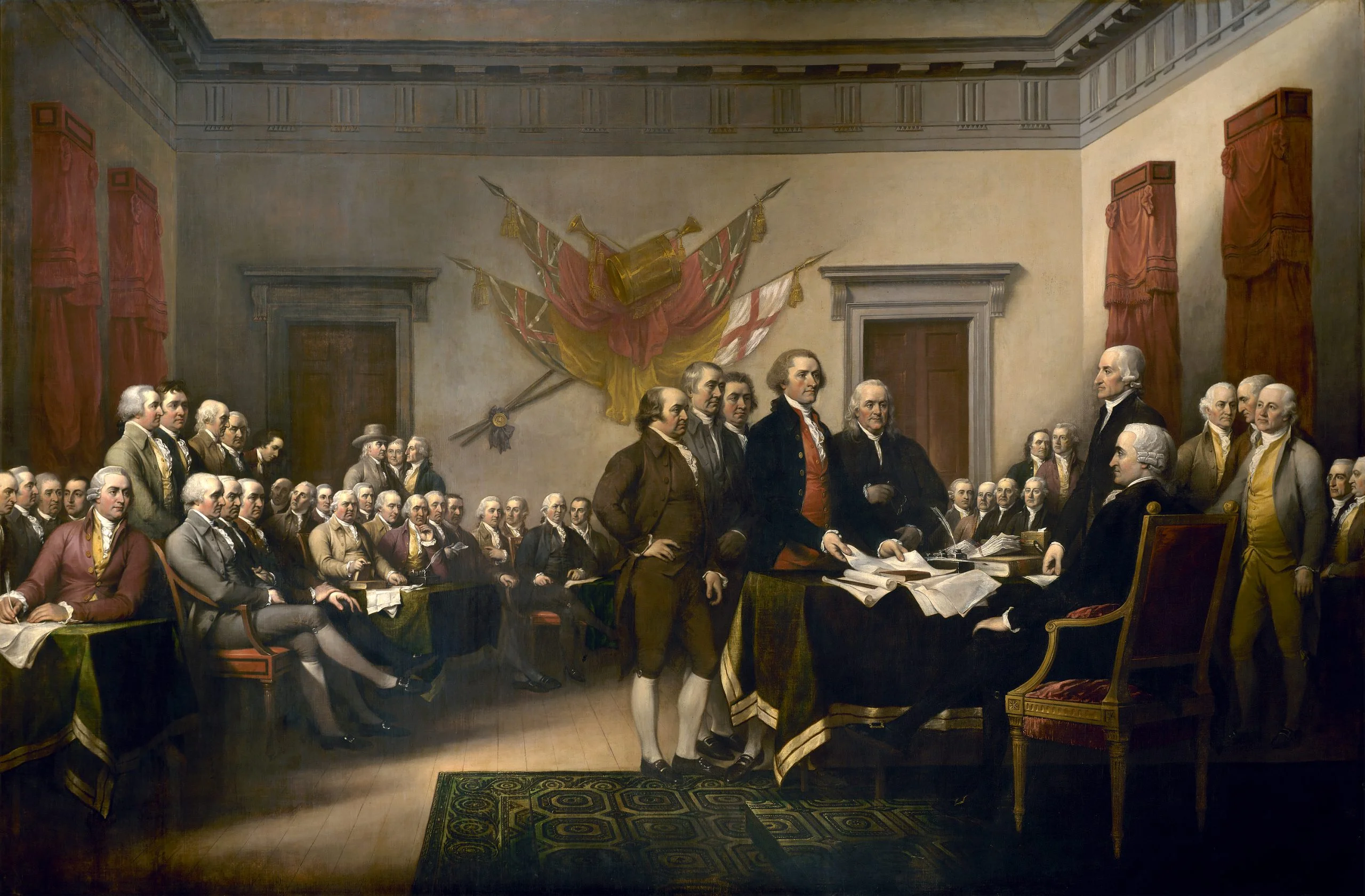
On July 2, 1776, Congress voted for independence. Two days later, it approved the Declaration of Independence, drafted mainly by Thomas Jefferson — signed in the following weeks by 56 delegates who knew they were committing treason in British eyes.
Keep Reading
- The Revolutionary War Explained: A Clear Summary From Lexington to Yorktown (1775–1783)
- How Many Americans Died on British Prison Ships? The Forgotten Toll of the Revolution
- Why Was Valley Forge So Bad? What Really Killed 2,000 Soldiers in the Winter of 1777–78
- Were the Hessians Really Drunk at Trenton? What Happened on Christmas Night 1776
Frequently Asked Questions
What were the main causes of the American Revolution?
The main causes were disputes over taxation without representation, Britain’s tighter control over colonial trade and western land after 1763, the presence of British troops, and the harsh punishment of Massachusetts in 1774 — all of which led many colonists to conclude their rights could only be protected outside the empire.
Did all colonists support the Revolution?
No. Historians estimate that roughly one in five white colonists stayed loyal to Britain, and many others tried to stay neutral.
How did Native Americans fit into the causes?
Britain’s Proclamation of 1763 tried to keep settlers east of the Appalachians to avoid wars with Native nations. That angered many colonists — and helps explain why most Native nations later sided with Britain.
Why It Still Matters
The road to the Revolution shows how a crisis can grow step by step, with each side convinced it was defending its rights. Ideas argued over in taverns and pamphlets — consent of the governed, no taxation without representation — became the foundation of a new country. And in April 1775, the arguing turned into a war that would last eight years.
Sources
- Bernard Bailyn, The Ideological Origins of the American Revolution (Harvard University Press, 1967)
- Gordon S. Wood, The American Revolution: A History (Modern Library, 2002)
- Robert Middlekauff, The Glorious Cause (Oxford University Press, revised 2005)
- Office of the Historian, U.S. Department of State — “French and Indian War/Seven Years’ War, 1754–63” and “Proclamation Line of 1763”
- National Archives — “Declaration of Independence: A Transcription” and Founders Online (John Adams to Abigail Adams, July 3, 1776)
- Massachusetts Historical Society — Boston Massacre resources
- Library of Congress — “Common Sense” and Stamp Act resources