More than 11,500 Americans are believed to have died aboard British prison ships anchored off Brooklyn during the American Revolution, and some historians put the number as high as 18,000. That is more than all the Americans killed in every battle of the war combined. Most were sailors and soldiers captured in New York and at sea, packed into rotting hulks in Wallabout Bay, where disease, starvation and filth killed them by the thousands. Nearly all of them could have walked free by joining the British side. Most refused.
It is one of the darkest chapters of the Revolution, and one of the least known.
Key Facts
- Where: Wallabout Bay, Brooklyn, New York — today the site of the Brooklyn Navy Yard
- How many ships: at least 16 prison hulks over the course of the war
- Most notorious: HMS Jersey, which prisoners called “Hell”
- Deaths: about 11,500 by the most common estimate; some estimates run as high as 18,000
- For comparison: about 6,800 Americans killed in battle (American Battlefield Trust estimate)
- Memorial: Prison Ship Martyrs’ Monument, Fort Greene Park, dedicated in 1908
Why Did the British Use Prison Ships?
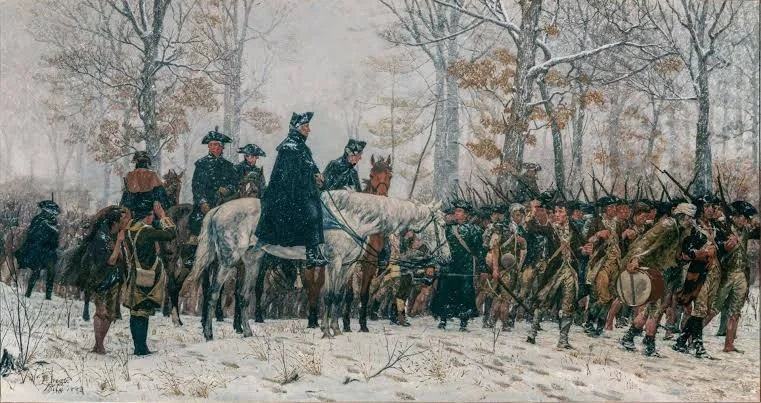
After defeating Washington’s army in the Battle of Long Island in August 1776, the British occupied New York City and held it until the end of the war. They captured thousands of American soldiers, and over the following years thousands more seamen, many of them crews of privateers — privately owned armed ships licensed to attack British shipping.
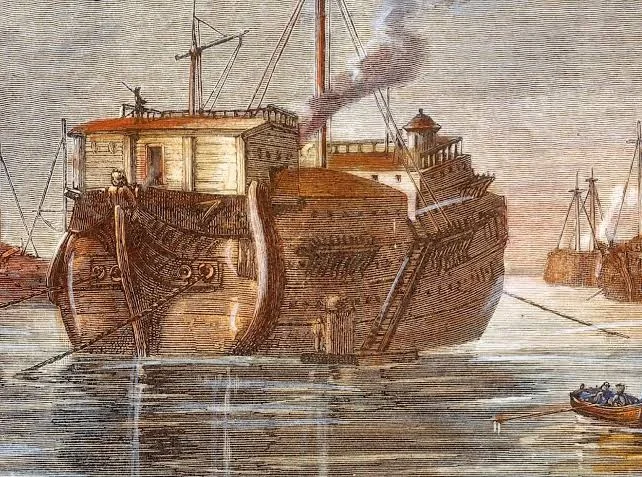
Jails, churches and sugar warehouses in the city filled up fast. The Royal Navy’s answer was to turn old, worn-out ships into floating prisons, called hulks, and anchor them in the East River and nearby Wallabout Bay.
There was also a legal question. Britain regarded the rebels not as soldiers of a foreign nation but as subjects in rebellion — in theory, traitors. That meant captured Americans did not automatically receive the protections normally given to prisoners of war, and their treatment was left largely to local commanders and contractors.
What Was Life Like Aboard the Jersey?
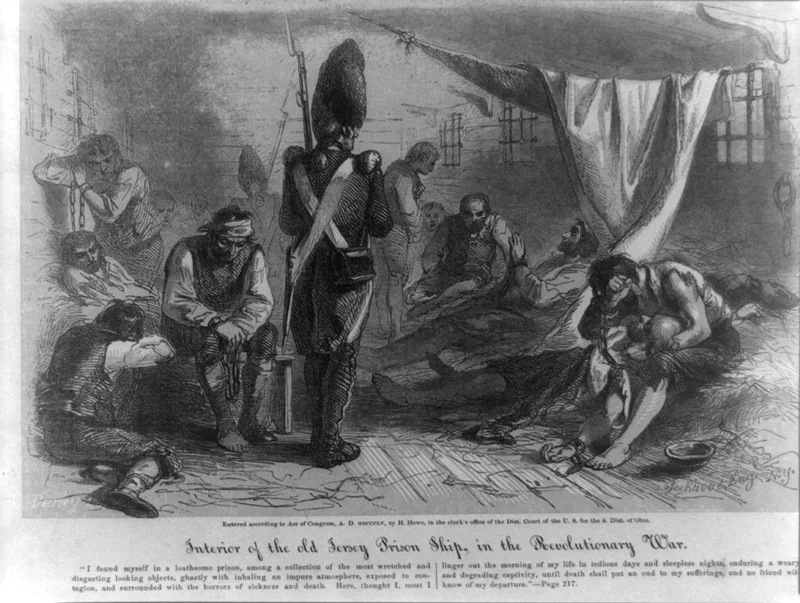
The Jersey had once been a 64-gun warship and later a hospital ship. From 1779 it served as a prison, often holding about 1,000 men at a time. Survivors such as Thomas Andros, Christopher Hawkins and Ebenezer Fox later wrote what they saw:
- Overcrowding: men were locked below deck at night with almost no fresh air
- Disease: smallpox, dysentery, typhus and yellow fever spread constantly
- Food: scant, often spoiled rations, sometimes crawling with worms
- Water: foul, drawn from polluted sources
- The daily call: each morning, guards ordered prisoners to bring up their dead
The dead were buried in shallow graves along the Brooklyn shore or simply thrown overboard. Accounts describe several deaths a day aboard a single ship.
How Many Americans Died on the Prison Ships?
No complete records survive, so every figure is an estimate.
| Figure | What it means |
|---|---|
| About 11,500 | The number engraved on the Prison Ship Martyrs’ Monument and the most commonly cited estimate; the National Park Service notes most of these deaths occurred aboard the Jersey |
| Up to 18,000 | Higher estimates by some historians, including deaths in prisons on shore |
| About 6,800 | Americans killed in battle during the entire war (American Battlefield Trust estimate) |
| 4,435 | An older official figure for American battle deaths, often quoted from U.S. government records |
Whichever battle-death figure you use, the conclusion is the same: more Americans died as prisoners in New York’s harbor than on all the battlefields of the Revolution combined.
Were Prisoners on Both Sides Treated Badly?
Prisoners suffered on both sides of the war, as they did in most 18th-century conflicts. British and German soldiers held by the Americans — including the troops captured at Saratoga — also endured hunger, disease and neglect, and many died or deserted during long captivity. Supplies were short everywhere.
But the scale in New York was in a class of its own. The concentration of thousands of men on a few hulks for years, in an occupied city, produced a death toll that no other prison system in the war came close to.
How Were the Prison Ship Martyrs Remembered?
For decades, they were mostly forgotten. When the war ended in 1783, the British sailed away, the Jersey was left to rot and sink in the mud, and human bones washed up along the Wallabout shore for years.
As Brooklyn grew and the Navy Yard was built on the bay, workers kept uncovering remains. Citizens collected them, and in the 1870s they were placed in a crypt in Fort Greene Park. A grand monument followed: a 149-foot column designed by the architect Stanford White, dedicated in 1908 in a ceremony led by President William Howard Taft.
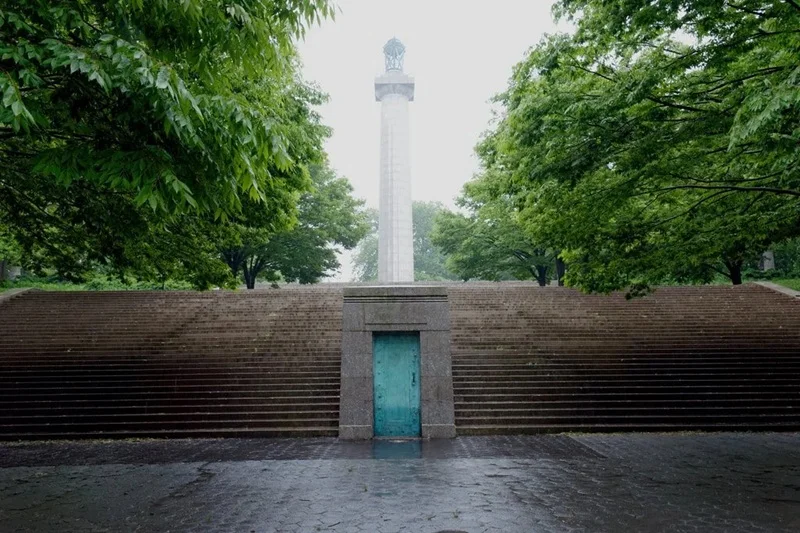
That makes the monument, in a sense, America’s first tomb of unknown soldiers — more than a decade before the Tomb of the Unknown Soldier was dedicated at Arlington in 1921.
Keep Reading
Frequently Asked Questions
What was the worst British prison ship?
HMS Jersey. It held the most prisoners for the longest time, and most of the recorded deaths occurred aboard it.
Can you still see the prison ships today?
No. The hulks sank or were broken up, and Wallabout Bay was filled in and built over by the Brooklyn Navy Yard. The monument in Fort Greene Park is the main memorial.
When did the Revolutionary War end?
Fighting largely ended after Yorktown in 1781, but the war formally ended with the Treaty of Paris in 1783. The British left New York in November 1783, and the last prisoners were released.
Why It Still Matters
The prison ship dead didn’t fall in famous battles, and few of their names are known. But they paid the highest price of any group of Americans in the Revolution — and many paid it by refusing to switch sides. Every year, people still gather at the monument in Fort Greene Park to remember them.
Sources
- National Park Service — “The Prison Ship Martyrs”
- Robert P. Watson, The Ghost Ship of Brooklyn: An Untold Story of the American Revolution (Da Capo, 2017)
- Edwin G. Burrows, Forgotten Patriots: The Untold Story of American Prisoners During the Revolutionary War (Basic Books, 2008)
- Daughters of the American Revolution — “Prison Ship Martyrs Monument and Vault”
- Fraunces Tavern Museum — “Hell in New York Harbor: HMS Jersey”
- The Clio — “The Prison Ship Martyrs’ Monument”
- Thomas Andros, The Old Jersey Captive (1833)