Last updated:
After the Vietnam War, the Montagnards — the indigenous peoples of Vietnam’s Central Highlands, who had fought alongside U.S. Special Forces — lost the war and much of their land. Some kept fighting in the jungle for 17 years. Others were imprisoned or fled to Cambodia and Thailand. Over time, thousands were resettled in the United States, mostly in North Carolina, which today has the largest Montagnard community outside Vietnam. In the Highlands, tensions over land and religion continued for decades.
Key Facts
- Who: more than 30 indigenous groups of the Central Highlands, including the Rhade (Ede), Jarai, Bahnar, Koho and Mnong
- Also called: Degar, Dega or Highlanders; “Montagnard” is French for “mountain people”
- Population in the 1960s: about 1 million
- Fought with the U.S.: an estimated 61,000
- Key program: Civilian Irregular Defense Group (CIDG), from 1961
- Armed resistance after 1975: FULRO, until 1992
- In the U.S. today: an estimated 12,000–15,000, mostly in North Carolina
Who Are the Montagnards?
High in the forested plateaus of central Vietnam live peoples who are neither ethnic Vietnamese nor closely related to them. They speak their own languages, traditionally lived in longhouses and stilt villages, and farmed by clearing patches of forest. French colonists called them Montagnards — “mountain people.” Many prefer the name Degar or Dega.
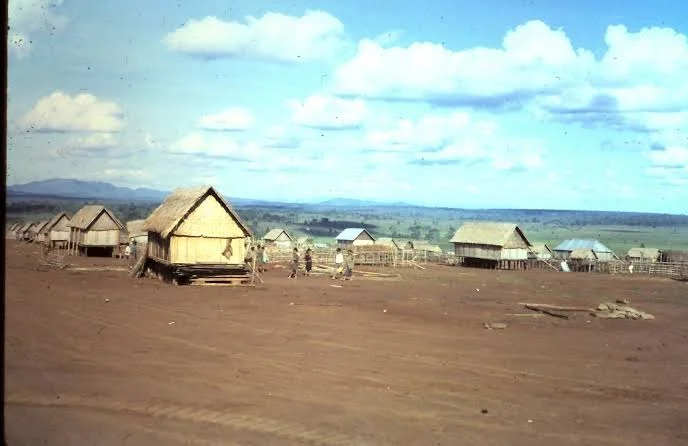
For centuries, relations between the Montagnards and the lowland Vietnamese were tense. Many Montagnards saw Vietnamese settlers moving onto their ancestral land as a threat. During the 20th century, missionaries also converted many Montagnards to Christianity, especially Protestantism.
Fighting Beside the Green Berets
The Central Highlands were strategically vital. The Ho Chi Minh Trail entered South Vietnam there, and whoever held the highlands could cut the country in two.
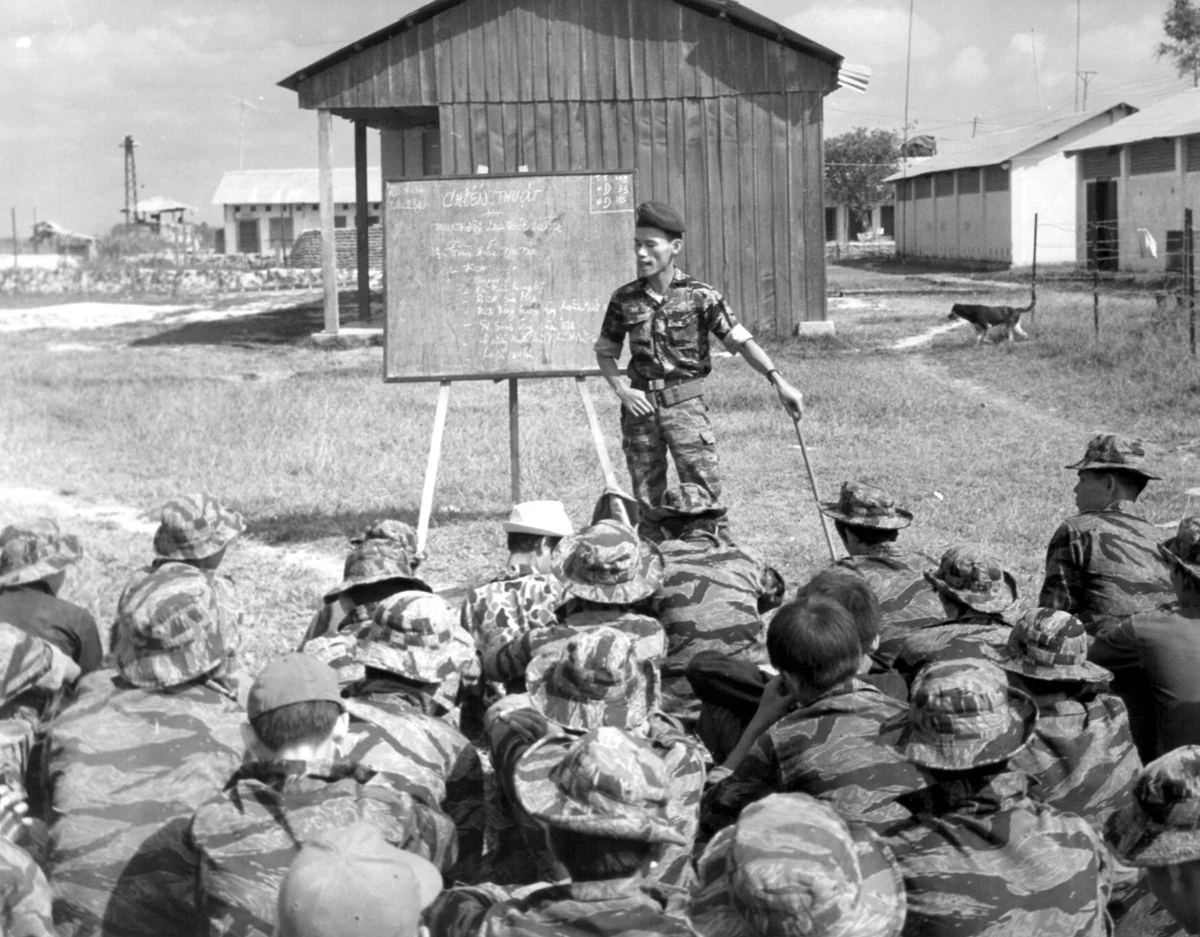
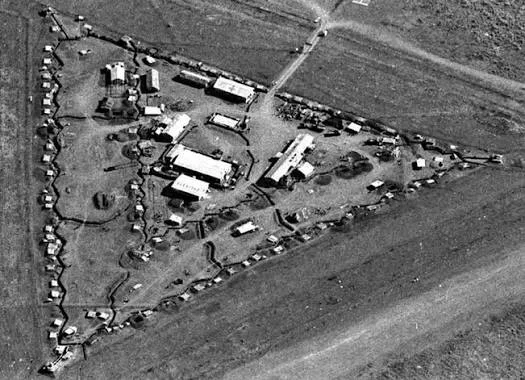
In 1961, the CIA and U.S. Army Special Forces began a program in a Rhade village called Buon Enao: arm the villagers and train them to defend themselves. It grew into the Civilian Irregular Defense Group (CIDG). Over the following years, an estimated 61,000 Montagnards fought alongside American and South Vietnamese forces, defending remote camps, patrolling the border and serving in elite strike forces.
The bond between the Green Berets and the Montagnards became legendary. Americans lived in their villages, ate their food and learned their customs. Many Special Forces veterans say they owe their lives to Montagnard soldiers.
Caught Between Saigon and Hanoi
The Montagnards did not trust the South Vietnamese government much more than the communists. Saigon resettled Vietnamese families on highland land and gave Montagnards little say in their own affairs.
In September 1964, Montagnard troops at several Special Forces camps revolted against their South Vietnamese officers and killed dozens of them. The rebels belonged to a new movement called FULRO, which demanded autonomy for the highland peoples. American advisers helped negotiate an end to the uprising, but the movement survived.
Meanwhile, the war devastated the Highlands. Villages were bombed, burned or moved into fortified hamlets. By one estimate, about 85% of highland villages had been destroyed or relocated by 1975. There is no reliable count of how many Montagnards died.
After 1975: A War That Didn’t End
When South Vietnam fell in 1975, only a small number of Montagnards were evacuated. Most remained, marked by their service with the Americans.
FULRO fighters retreated into the jungles of the Highlands and across the border into Cambodia and kept up a guerrilla war against the new government. Many Montagnards who had served with U.S. forces were sent to re-education camps.
The resistance slowly faded. In 1992, United Nations peacekeepers in Cambodia found the last organized FULRO group — 398 fighters and family members still carrying weapons in the remote jungle of Mondulkiri province. They had lost all contact with the movement’s leaders abroad for more than a decade. They handed over their weapons and were resettled in North Carolina.
| Year | What happened |
|---|---|
| 1961 | CIA and Special Forces begin arming Montagnard villages (Buon Enao) |
| 1964 | FULRO revolt at Special Forces camps |
| 1975 | South Vietnam falls; FULRO continues guerrilla resistance |
| 1986 | About 200 Montagnards resettled in North Carolina |
| 1992 | Last FULRO group (398 people) disarmed in Cambodia, resettled in the U.S. |
| 2001 and 2004 | Large protests in the Highlands over land and religion; many flee to Cambodia |
| 2002 | About 900 Montagnard refugees from Cambodia resettled in the U.S. |
Land, Faith and Protest
In the decades after the war, the Highlands changed dramatically. Large numbers of lowland Vietnamese moved there, and vast coffee and rubber plantations spread across what had been Montagnard land.
In 2001 and again in 2004, thousands of Montagnards staged large protests over land rights and religious freedom. Human Rights Watch and members of the U.S. Congress have accused Vietnamese authorities of harsh crackdowns, arrests and restrictions on Montagnard Protestant churches. Vietnam’s government rejects these accusations, says religious freedom is protected by law, and has blamed the unrest on separatist groups abroad. Hundreds of Montagnards fled to Cambodia and Thailand to seek asylum.
A New Home in North Carolina
Why North Carolina? Because of the Green Berets. Fort Bragg (now Fort Liberty) is the home of U.S. Army Special Forces, and many veterans who had fought beside the Montagnards lived nearby. They lobbied the government, sponsored families and helped them settle.
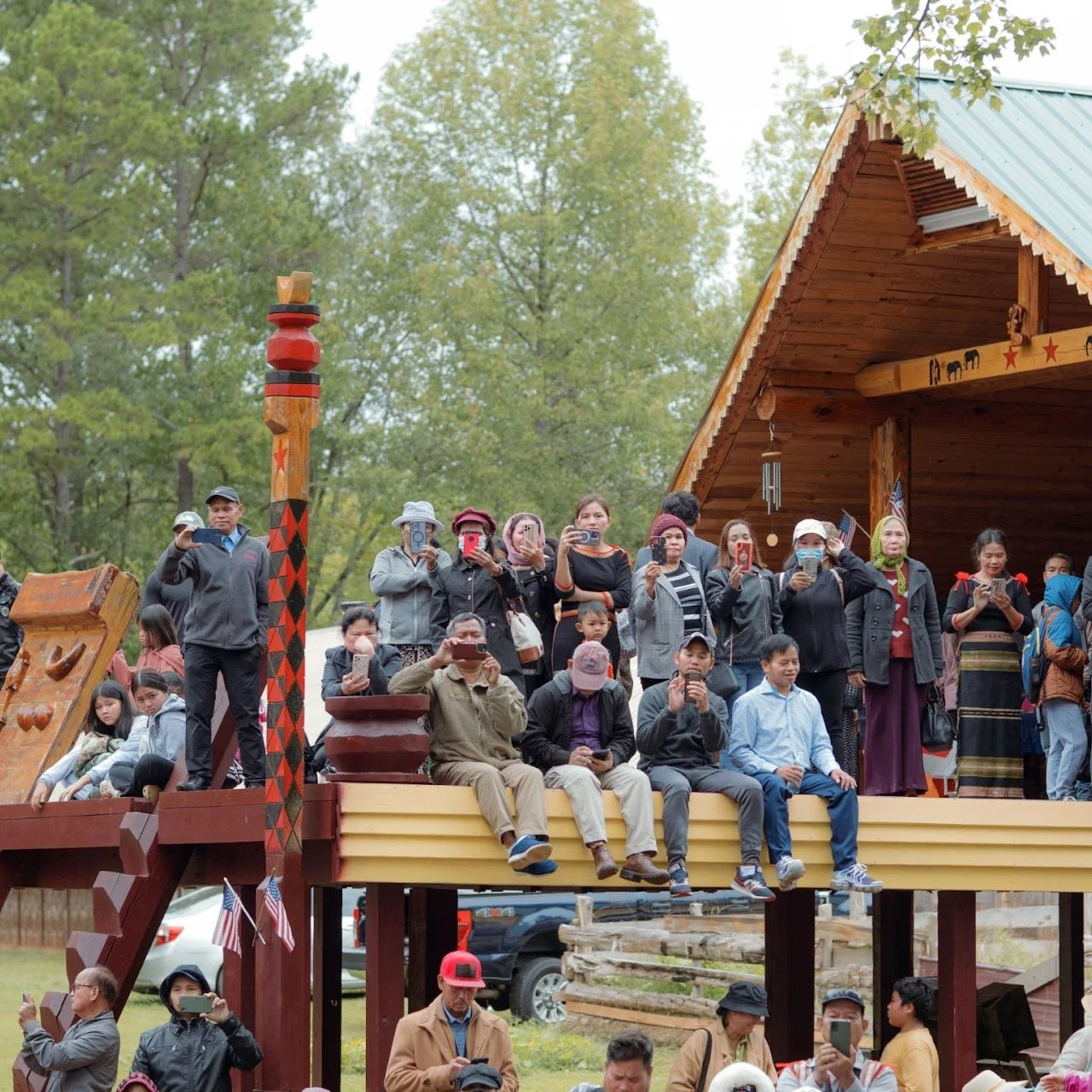
The first groups arrived in 1986. Today, an estimated 12,000 to 15,000 Montagnards and their descendants live in the state, centered on Greensboro, Raleigh and Charlotte — the largest Montagnard community outside Vietnam. Churches, a community association founded in 1987, and a soccer league help hold the community together. Congress has passed resolutions honoring Montagnard service in the war.
Why It Still Matters
The Montagnards were among America’s most loyal allies in Vietnam, and among those who paid the highest price afterward. Like the Hmong of Laos, they are part of the war’s long aftermath — a reminder of the people who fought alongside Americans and were left to face the consequences. For the wider war, see our clear Vietnam War summary.
Keep Reading
- Why Are Americans Still Missing in Vietnam 50 Years Later?
- What Happened to the Vietnamese Boat People? Where They Went, How Many Died, and Why the Camps Closed
- What Happened to Amerasian Children After the Vietnam War?
- How Did the Cu Chi Tunnels Work? Inside the Underground War — and the Tunnel Rats Sent to Fight It
- Why the 17th Parallel? How Vietnam’s Dividing Line Was Chosen in 1954
Frequently Asked Questions
Are there still Montagnards in Vietnam?
Yes. More than a million members of the highland ethnic groups still live in Vietnam’s Central Highlands, mainly in the provinces once known as Dak Lak, Gia Lai, Kon Tum, Dak Nong and Lam Dong.
How many Montagnards died in the Vietnam War?
There is no reliable figure. The war destroyed or relocated most highland villages, and casualties among both soldiers and civilians were very high, but no full count was ever made.
Why did the Montagnards fight with the Americans?
Many wanted to defend their villages and land, distrusted both Vietnamese governments, and formed close bonds with U.S. Special Forces, who armed, paid and lived among them.
What was FULRO?
FULRO (United Front for the Liberation of Oppressed Races) was a movement for the autonomy of highland peoples. It revolted against South Vietnam in 1964 and fought the communist government after 1975 until its last group disarmed in 1992.
Why do so many Montagnards live in North Carolina?
Because U.S. Special Forces are based at Fort Bragg (Fort Liberty), and veterans who had served with the Montagnards sponsored and helped resettle them there from 1986 onward.
Sources
- U.S. House of Representatives, H.Res. 797 (115th Congress) — recognizing the Montagnards’ service
- U.S. Department of State — Julia V. Taft, statement to the Senate Foreign Relations Committee (1998)
- The United States of America Vietnam War Commemoration — “Highlanders in the Vietnam War, 1964–1975”
- Human Rights Watch — reports on the Central Highlands (2002, 2006, 2011)
- Cambodia Daily and Phnom Penh Post — reporting on FULRO’s surrender (1992)
- VFW Magazine — “Montagnards Find Home in North Carolina” (2019)