The Revolutionary War (1775–1783) was the war in which thirteen American colonies won independence from Great Britain. It began with fighting at Lexington and Concord in April 1775, became a war for independence with the Declaration of July 1776, and turned when the Americans won at Saratoga in 1777 and France entered the war as their ally. After years of hard fighting in the North and South, a combined American and French force trapped a British army at Yorktown in October 1781. Britain recognized American independence in the Treaty of Paris in 1783.
It was a long, uncertain war. For much of it, the Americans were losing — and many colonists did not support independence at all.
Key Facts
- Dates: April 19, 1775 – September 3, 1783 (Treaty of Paris)
- Sides: American Patriots, later allied with France (1778), Spain (1779) and the Netherlands (1780), against Great Britain, Loyalist Americans, German auxiliaries (“Hessians”) and many Native American nations
- American commander: General George Washington
- Turning point: Saratoga, October 1777, which brought France into the war
- Decisive battle: Yorktown, October 1781
- American deaths: about 6,800 killed in battle; total deaths, including disease and prison, are often estimated at 25,000 or more
How Did the Revolutionary War Start?
By 1775, a decade of disputes over taxes, trade and self-government had pushed Britain and its colonies to the edge. On the night of April 18, British troops marched out of Boston to seize colonial weapons stored at Concord. Riders including Paul Revere spread the alarm. At dawn on April 19, shots were fired on Lexington Green, and by the end of the day militia had chased the British back to Boston.
The colonists did not yet declare independence. Many still hoped to restore their rights within the British Empire. That changed over the next fifteen months.
The Four Phases of the War
| Phase | Years | What happened |
|---|---|---|
| 1. War in the North | 1775–1776 | Bunker Hill, siege of Boston, Declaration of Independence, loss of New York |
| 2. Crisis and revival | 1776–1777 | Retreat across New Jersey, victories at Trenton and Princeton, Philadelphia lost, Saratoga won |
| 3. A world war | 1778–1780 | France, then Spain and the Netherlands join; Valley Forge; stalemate in the North |
| 4. The South and Yorktown | 1780–1783 | British campaign in the South, guerrilla war, Yorktown, peace |
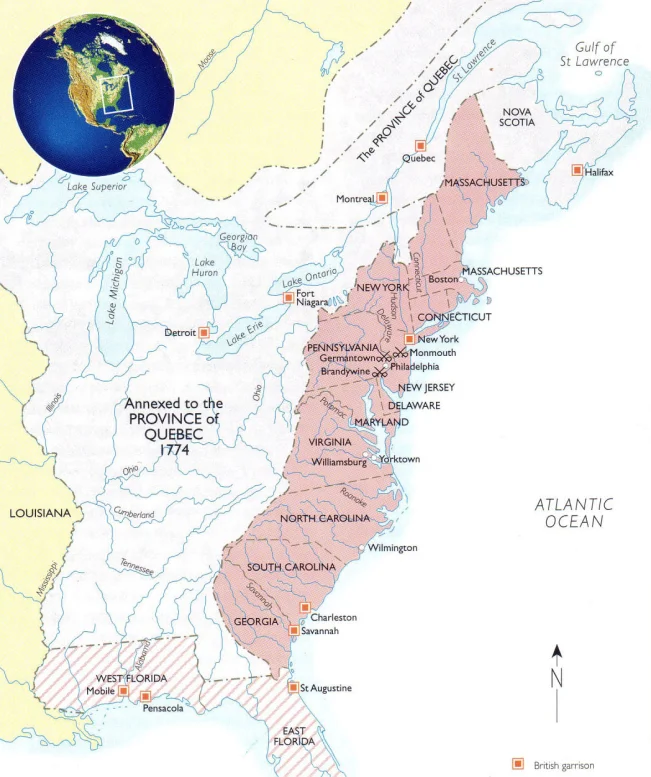
1775–1776: The War Begins in the North
In June 1775, Congress created the Continental Army and chose George Washington of Virginia to lead it. Days later, at Bunker Hill outside Boston, the British drove colonists off the high ground — but lost more than 1,000 men killed and wounded doing it, a warning that this would be no quick police action.
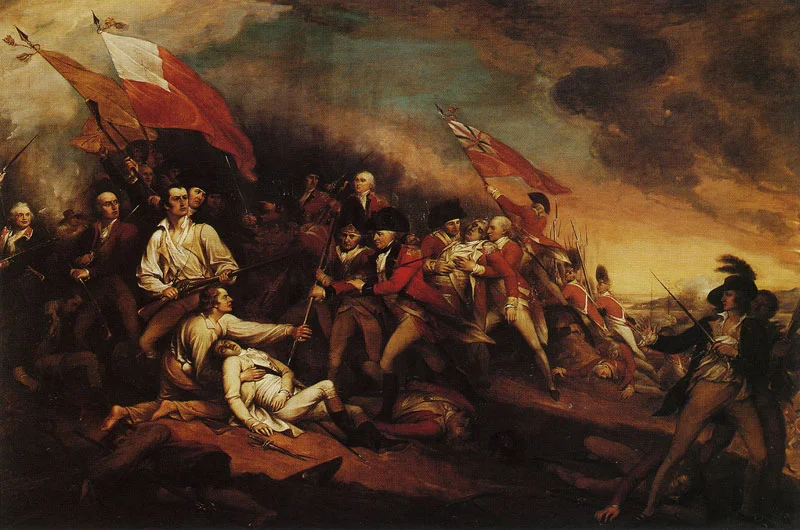
Over the winter, Henry Knox hauled heavy cannons from Fort Ticonderoga to Boston. With guns on the heights overlooking the harbor, Washington forced the British to evacuate the city in March 1776.
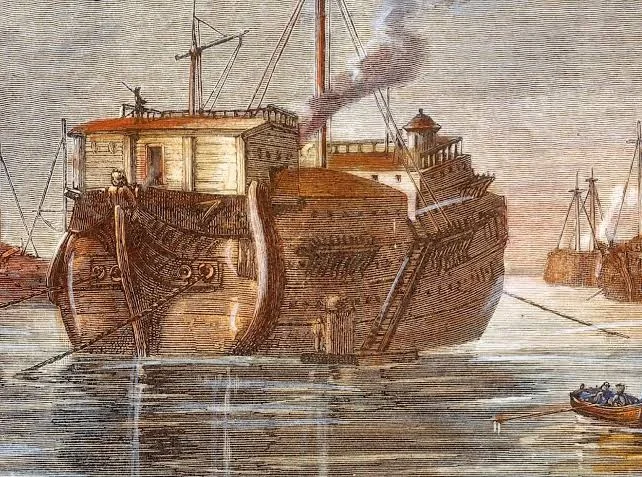
On July 4, 1776, Congress adopted the Declaration of Independence. But a huge British fleet and army had already arrived at New York. In August, the British crushed Washington’s army in the Battle of Long Island and took New York City, which they held for the rest of the war. Thousands of Americans captured there would end up on British prison ships, where far more died than in any battle.
1776–1777: Crisis and Revival
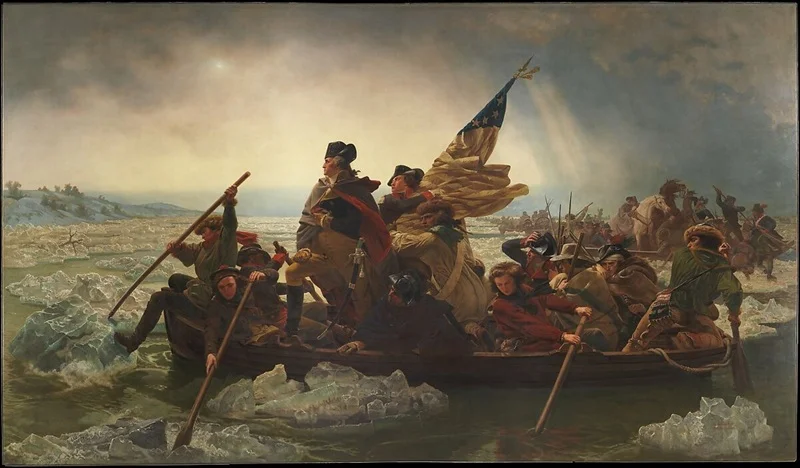
By December 1776, Washington’s army had retreated across New Jersey into Pennsylvania, shrinking with every mile. Then, on Christmas night, he crossed the icy Delaware River and surprised the Hessian garrison at Trenton. A week later, he won again at Princeton. The two small victories saved the army and the cause.
In 1777, the British tried two plans at once. General William Howe captured Philadelphia, the American capital. But General John Burgoyne’s army, marching south from Canada to cut off New England, was surrounded at Saratoga, New York, and surrendered on October 17, 1777. American officers including Benedict Arnold — later the war’s most famous traitor — played a key role.
Why Was Saratoga the Turning Point?
Saratoga proved to the world that the Americans could defeat a British army. France, which had been secretly sending money and weapons, signed a formal alliance with the United States in February 1778. Spain joined the war against Britain in 1779 and the Netherlands in 1780.
That changed everything. Britain now had to defend its empire from the Caribbean to India, and the French navy could challenge British control of the sea.
1778–1780: A World War
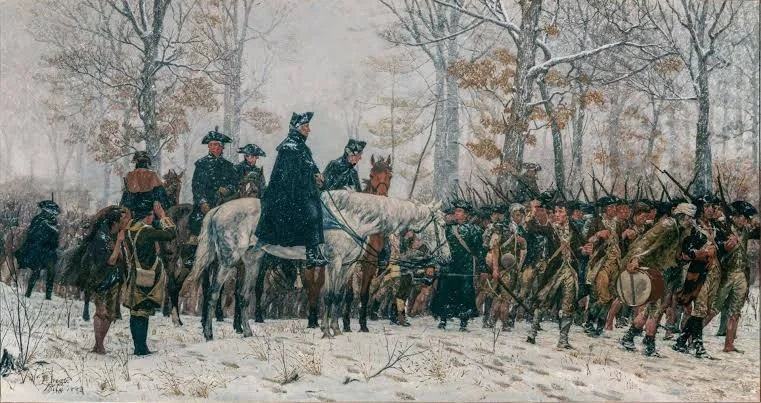
Washington’s army spent the winter of 1777–78 at Valley Forge, where disease killed nearly 2,000 men — yet the army emerged better trained under the Prussian officer Baron von Steuben. In June 1778, it fought the British to a draw at Monmouth, New Jersey.
After Monmouth, the war in the North settled into a stalemate. The British held New York; Washington’s army watched them from the hills. In 1780, one of Washington’s own generals, Benedict Arnold, plotted to hand the fortress at West Point to the British. The plot was discovered, and Arnold fled to the British side.
1780–1783: The South and Yorktown
Britain shifted its strategy south, hoping that Loyalists there would rise to help. It captured Charleston, South Carolina, in May 1780 — taking about 5,000 American prisoners, the worst American defeat of the war — and crushed another American army at Camden.
The tide turned again. Backcountry militia destroyed a Loyalist force at Kings Mountain in October 1780. In January 1781, Daniel Morgan won a brilliant victory at Cowpens. General Nathanael Greene led the British commander, Lord Cornwallis, on an exhausting chase across the Carolinas.
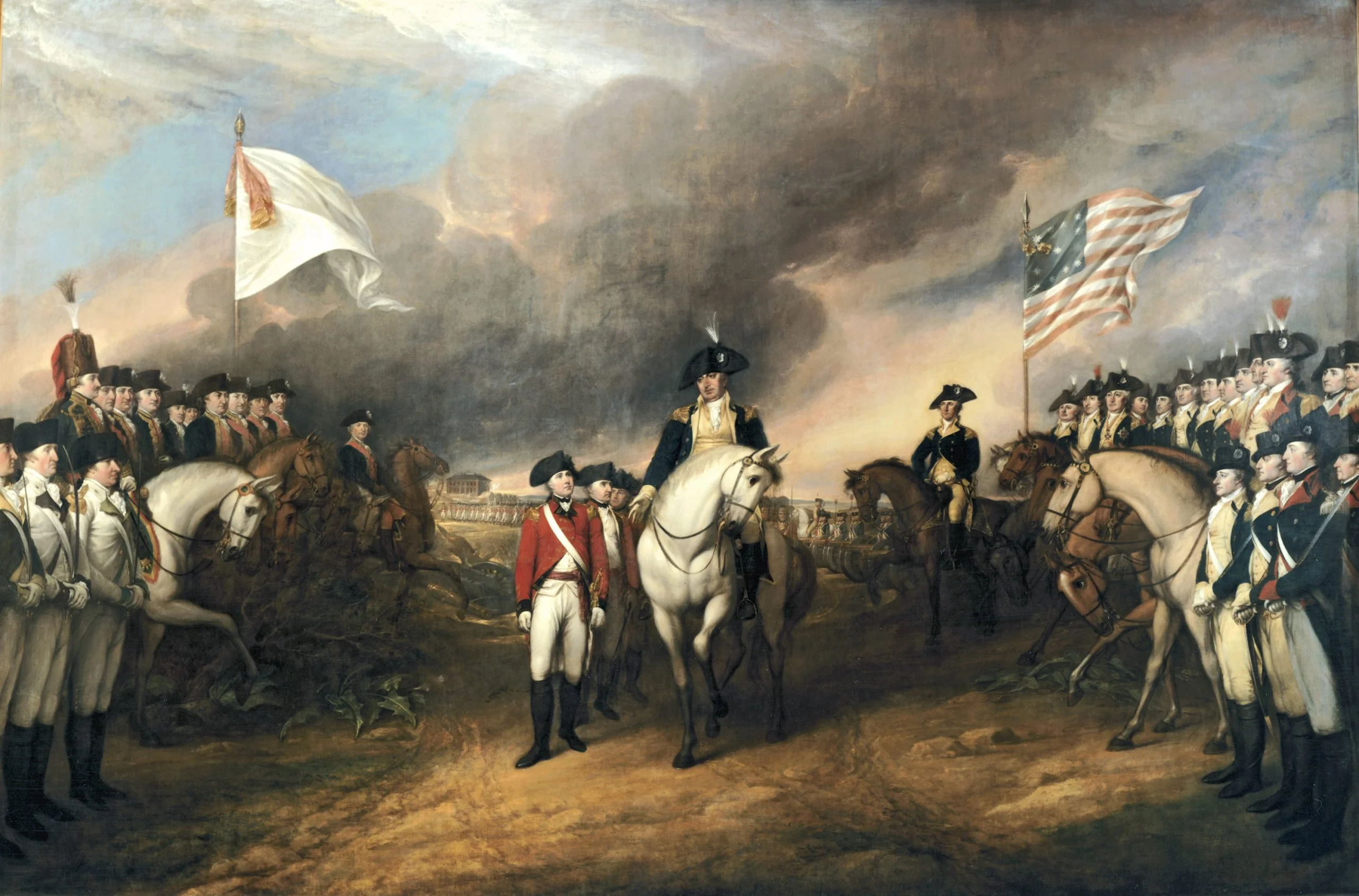
Cornwallis moved into Virginia and fortified the port of Yorktown, expecting the Royal Navy to support him. Instead, a French fleet under the Comte de Grasse blocked the Chesapeake Bay, and Washington and the French general Rochambeau marched their armies south. Trapped by land and sea, Cornwallis surrendered about 7,000 to 8,000 men on October 19, 1781.
Fighting continued in places, but in London the government fell, and Parliament voted to stop offensive war in America. The Treaty of Paris, signed September 3, 1783, recognized the independence of the United States, with borders stretching west to the Mississippi River.
How Did the Americans Win?
- They didn’t have to win every battle. Washington lost more battles than he won, but he kept the army alive. Britain had to conquer and hold a vast country; the Americans only had to outlast the will to fight.
- Foreign help. French money, soldiers and especially the French navy were decisive at Yorktown.
- Distance. Every British soldier, gun and order had to cross 3,000 miles of ocean.
- Leadership and persistence. Washington, Greene and others learned from defeats, and the army survived disasters that might have ended the war.
- Politics in Britain. As the war grew longer and more expensive, and turned into a global conflict, support for it in Parliament collapsed.
Who Fought, and on Which Side?
The war was also a civil war. Historians estimate that roughly one in five white colonists remained loyal to Britain, and tens of thousands left the country after the war. Thousands of Black Americans fought — some for the Patriots, and many for the British, who promised freedom to enslaved people who escaped Patriot owners. Most Native American nations sided with Britain, which had tried to limit settlers’ expansion west. And about 30,000 German soldiers, hired out to Britain by their rulers, fought in America, with thousands staying on after the war.
What Did the War Cost?
About 6,800 Americans are estimated to have been killed in battle. Far more died of disease in camps and hospitals, and more than 11,500 died on British prison ships in New York harbor. Total American military deaths are often estimated at around 25,000 — out of a population of about 2.5 million. Britain, its German auxiliaries, Loyalists and Native allies also suffered heavy losses, and France’s spending on the war helped push it toward its own revolution in 1789.
Keep Reading
Frequently Asked Questions
Who won the Revolutionary War?
The United States and its allies. Britain recognized American independence in the Treaty of Paris in 1783.
How long did the Revolutionary War last?
About eight years, from April 1775 to September 1783, although major fighting largely ended after Yorktown in 1781.
What did the British call the Americans?
Most often “rebels.” British soldiers also used “Yankees,” a term Americans soon adopted with pride.
Why It Still Matters
The Revolutionary War created the United States, but it was never a sure thing. It was won by an army that nearly dissolved more than once, with help from a European monarchy, against an empire that eventually decided the fight wasn’t worth the cost. Behind the famous names are stories that still surprise people: the Hessians at Trenton who weren’t drunk, the winter at Valley Forge that wasn’t the coldest, the prisoners who chose death over switching sides — and the hero of Saratoga who became America’s most famous traitor.
Sources
- Robert Middlekauff, The Glorious Cause: The American Revolution, 1763–1789 (Oxford University Press, revised 2005)
- Rick Atkinson, The British Are Coming (2019) and The Fate of the Day (2025)
- American Battlefield Trust — Revolutionary War overview and battle pages
- National Park Service — Saratoga, Valley Forge, Yorktown and Prison Ship Martyrs pages
- Office of the Historian, U.S. Department of State — “The Treaty of Paris, 1783” and “French Alliance”
- Howard H. Peckham, ed., The Toll of Independence: Engagements and Battle Casualties of the American Revolution (University of Chicago Press, 1974)
- Museum of the American Revolution — “Molly Pitcher” and Revolutionary War resources