After the American Revolution, about 60,000 white Loyalists left the United States — along with roughly 15,000 enslaved people they took with them — mostly for Canada, Britain and the Caribbean. Many lost their homes and property to state confiscation laws, and Britain later paid partial compensation to some. But the great majority of Loyalists, perhaps 80 to 90 percent, stayed in America, quietly made peace with their neighbors and became citizens of the new country.
The Revolution is usually told as a united fight against Britain. For many American communities, it was closer to a civil war.
Key Facts
- Loyalists: perhaps 15–20% of white colonists — several hundred thousand people
- Left after the war: about 60,000 white Loyalists, plus about 15,000 enslaved people
- Stayed: the large majority, an estimated 80–90%
- Main destination: British North America (today’s Canada), especially Nova Scotia, New Brunswick and Quebec
- Lasting legacy: New Brunswick was created in 1784 largely for Loyalist settlers
Who Were the Loyalists?
Loyalists — Patriots called them “Tories” — were colonists who stayed loyal to the British Crown. They came from every class and background:
- royal officials, Anglican clergy and wealthy merchants with close ties to Britain
- ordinary farmers and tradesmen, especially in parts of New York, New Jersey, Georgia and the Carolinas
- recent immigrants, including many Scots and Germans, who felt they owed their land to the king
- tens of thousands of enslaved Black Americans who escaped to the British, who promised freedom to those who fled Patriot owners
- many Native American nations, which saw Britain as the best defense against settlers taking their land
Some, like William Franklin, the royal governor of New Jersey, broke with their own families. His father, Benjamin Franklin, was one of the leading Patriots. The two never reconciled.
Were Most Loyalists Rich?
No. That is a common myth. Wealthy officials and merchants were the most visible Loyalists, and they filed the largest claims for lost property afterward, so they dominate the records. But most Loyalists were people of modest means — farmers, artisans, laborers and, notably, formerly enslaved people who had sided with Britain to win their freedom.
How Were Loyalists Treated During the War?
Harshly, in many places. Patriot committees demanded loyalty oaths, disarmed suspected Loyalists, and jailed or expelled those who refused. Some were tarred and feathered or driven from their homes by crowds. State governments passed laws confiscating Loyalist property, and many Loyalists were banned from returning.
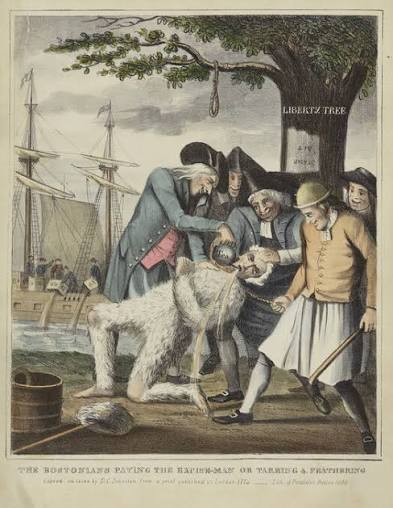
The violence ran both ways. In the Carolinas and in parts of New York, Loyalist and Patriot militias fought a bitter guerrilla war of raids, burnings and revenge killings. For families on the frontier, the Revolution was not a distant war but a fight between neighbors.
Where Did the Loyalists Go?
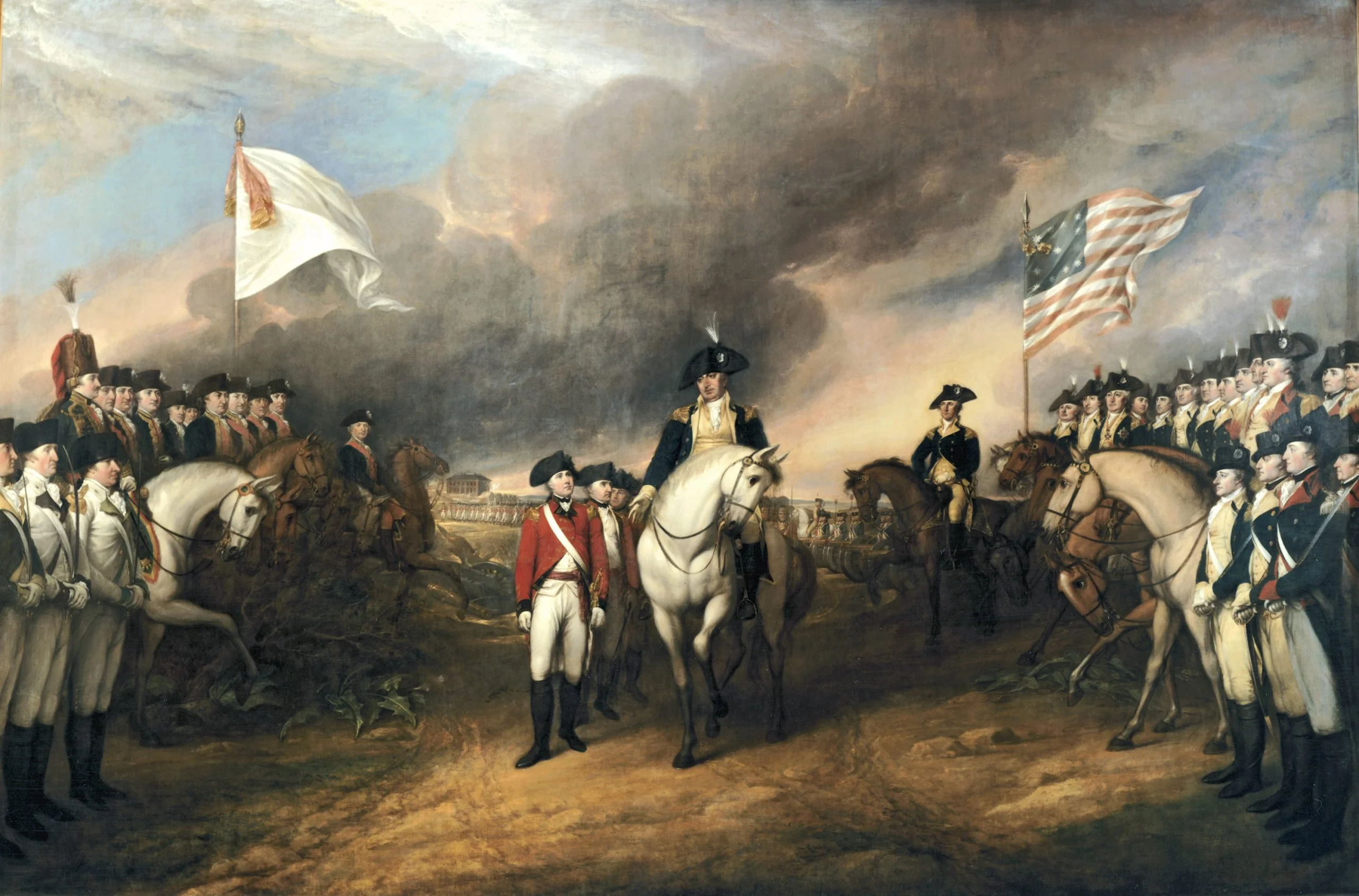
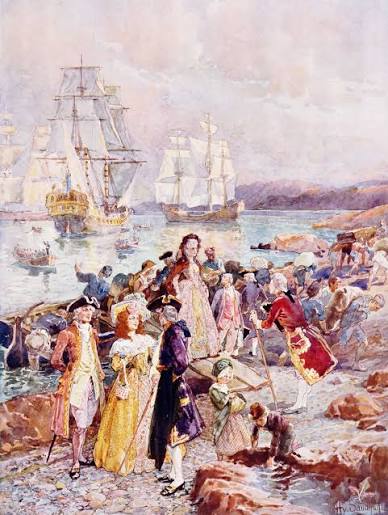
As the war ended, the British army evacuated Loyalists from its last strongholds: Savannah, Charleston and, above all, New York City, which the British held until November 1783.
| Destination | What happened there |
|---|---|
| Nova Scotia and New Brunswick | The largest group. So many arrived that Britain split off New Brunswick as a new colony in 1784. |
| Quebec (later Ontario) | Loyalist settlement along the St. Lawrence and Lake Ontario helped lead to the creation of Upper Canada in 1791. |
| Britain | Mostly wealthier Loyalists and officials, who often felt like outsiders in a country they had never lived in. |
| The Caribbean and Florida | Many Southern Loyalists went to the Bahamas, Jamaica or East Florida — often bringing enslaved workers with them. |
Among the refugees were more than 2,000 Mohawk allies, led by figures such as Joseph Brant, and thousands of free Black Loyalists.
Did Britain Compensate the Loyalists?
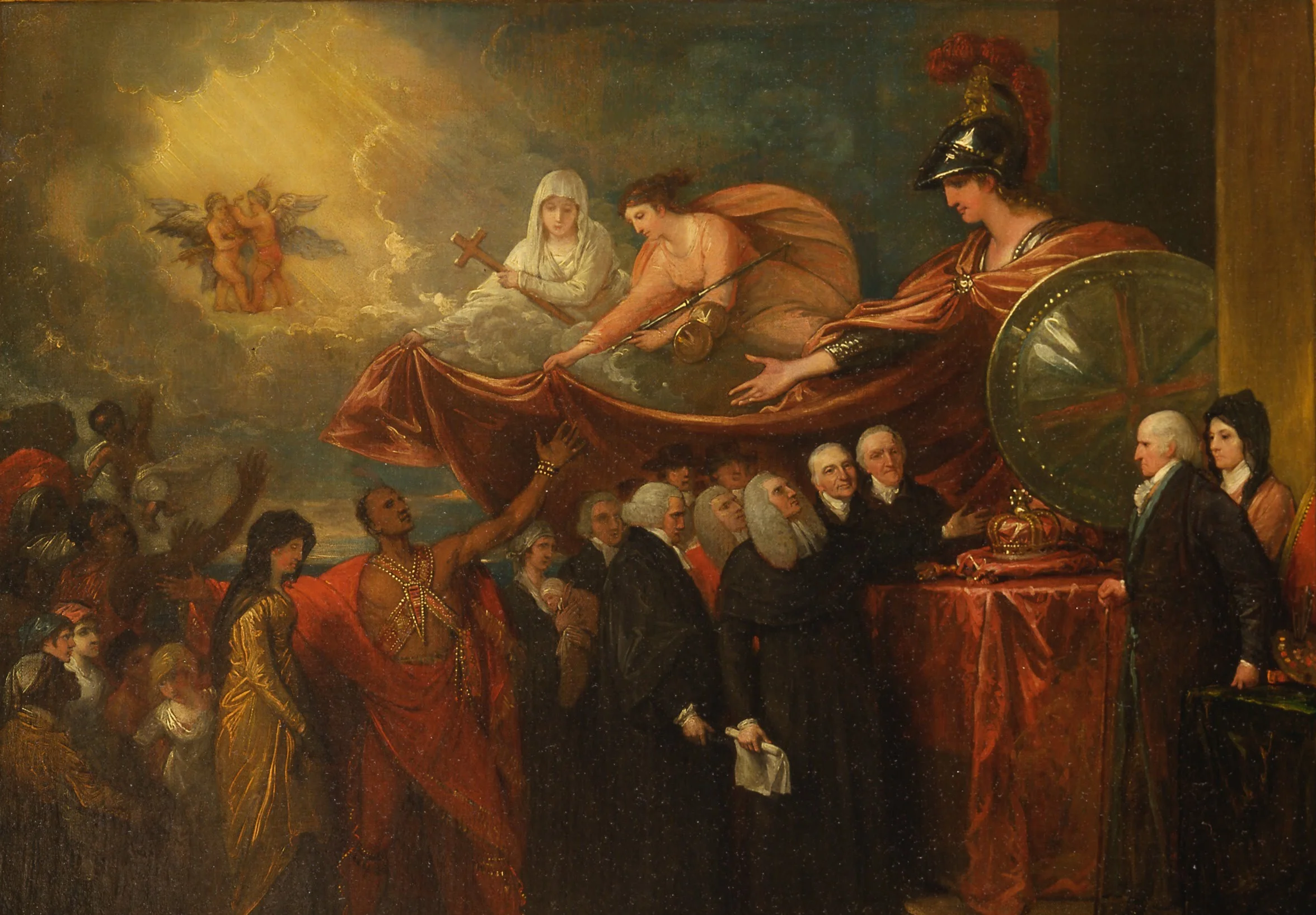
Partly. The Treaty of Paris in 1783 asked Congress to “earnestly recommend” that the states restore Loyalist property, but the states largely ignored it. Britain then set up a Loyalist Claims Commission, which reviewed thousands of claims and paid out significant sums — though usually far less than claimants said they had lost, and mainly to those with documents and connections. Britain also gave refugees free land grants in Canada.
What Happened to the Loyalists Who Stayed?
Most Loyalists never left. They kept their heads down, paid fines or took oaths, and over the following years were gradually accepted back. In the 1780s and 1790s, many states repealed their harshest anti-Loyalist laws. Within a generation, the children of Loyalists were simply Americans.
Keep Reading
- What Really Happened to the Signers of the Declaration of Independence? Myth vs. Fact
- The Road to the American Revolution Explained: A Clear Summary of the Causes (1763–1776)
- The Revolutionary War Explained: A Clear Summary From Lexington to Yorktown (1775–1783)
- How Many Americans Died on British Prison Ships? The Forgotten Toll of the Revolution
- Why Was Valley Forge So Bad? What Really Killed 2,000 Soldiers in the Winter of 1777–78
Frequently Asked Questions
Why did the Patriots dislike the Loyalists?
Patriots saw them as a threat during a war for survival — potential spies, informers or soldiers for the British. Loyalists also served in British-organized units, and frontier fighting between the two sides was brutal.
Are there any Loyalists left in America?
Not as a political group, but many Americans and Canadians are descended from Loyalists. In Canada, Loyalist heritage is celebrated, and descendants can join the United Empire Loyalists’ Association.
What happened to Benedict Arnold after the war?
Arnold, who switched to the British side in 1780, lived in Britain and spent several years in Saint John, New Brunswick, among the Loyalist refugees. He was never fully trusted on either side and died in London in 1801.
Why It Still Matters
The Loyalists remind us that the American Revolution wasn’t unanimous. Neighbors, families and churches split apart. Those who left helped build modern Canada, and those who stayed became part of the new United States. Their story is the other half of America’s founding.
Sources
- Maya Jasanoff, Liberty’s Exiles: American Loyalists in the Revolutionary World (Knopf, 2011)
- The Canadian Encyclopedia — “Loyalists in Canada” and “Black Loyalists”
- United Empire Loyalists’ Association of Canada — “A Short History of the United Empire Loyalists” (Ann Mackenzie)
- Maclean’s — “The making of a Loyalist” (2011)
- EBSCO Research Starters — “Loyalists Migrate to Nova Scotia”
- The National Archives (UK) — Loyalist Claims Commission records (AO 12, AO 13)