Last updated:
The Vietnam draft lottery decided the order in which young American men were called to serve, based only on their birthday. On December 1, 1969, officials drew 366 capsules — one for each day of the year — from a glass jar on live television. The first date drawn, September 14, became number 1. Men with low numbers were called first; in 1970, every birthday up to number 195 was called.
Key Facts
- First drawing: December 1, 1969, Selective Service headquarters, Washington, D.C.
- Who it covered: men born January 1, 1944 – December 31, 1950 (ages 18–26)
- First birthday drawn: September 14 (number 1)
- Last birthday drawn: June 8 (number 366)
- Highest number called in 1970: 195
- Later lotteries: 1970, 1971, 1972 and each year to 1975; nobody was drafted after June 1973
- Was it random? Not quite — December birthdays came up too early, so the method was changed in 1970
Before the Lottery: How the Draft Worked
Every American man had to register with the Selective Service System at 18. Until 1969, though, there was no single, simple rule for who would be called. About 4,000 local draft boards decided, and they generally took the oldest eligible men first — anyone from 19 to 26.
That meant years of uncertainty. A young man might wait seven years without knowing whether he would be sent to Vietnam. It also meant that the rules could be bent. Deferments for college students, certain jobs and other reasons were common, and critics said they let middle-class and wealthy men stay home while working-class men went to war.
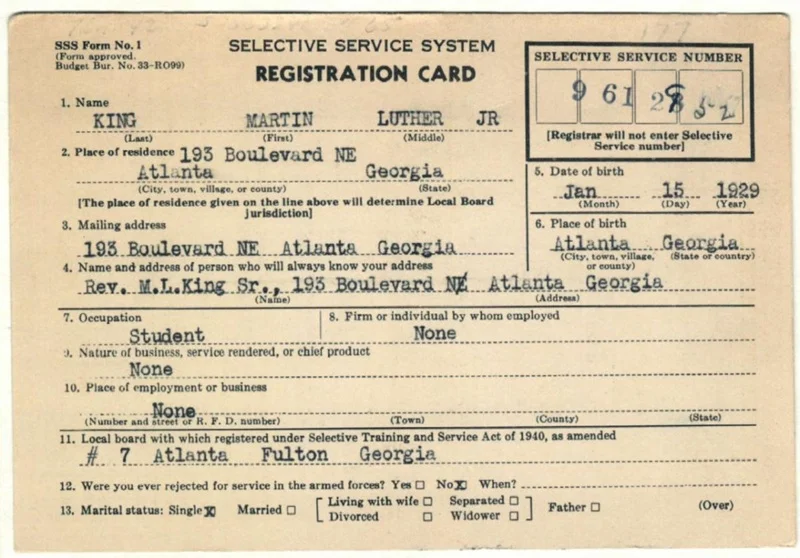
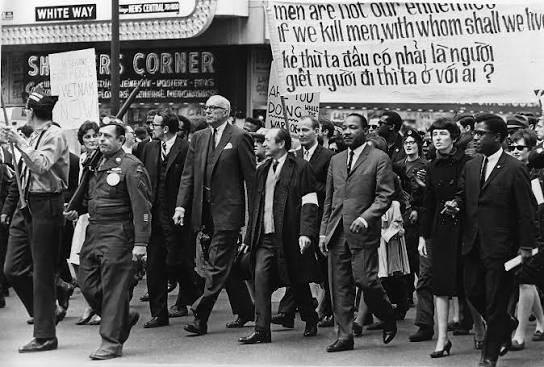
By 1969, with the war deeply unpopular, President Richard Nixon wanted a fairer system. In November, Congress changed the law to allow a random lottery, and Nixon signed it. The goal was to make the draft depend on chance alone — and to cut the waiting to a single year of real risk.
December 1, 1969: Lottery Night
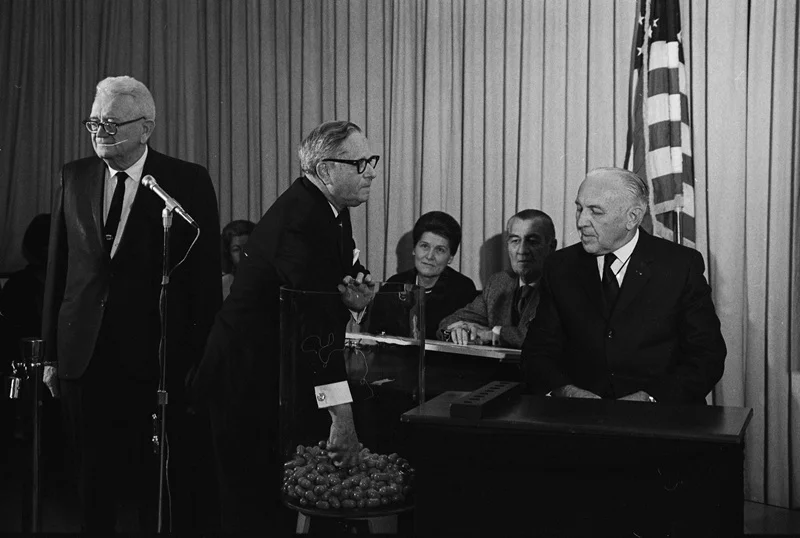
At 8 p.m. on Monday, December 1, 1969, millions of families gathered around their television sets and radios. In a room at Selective Service headquarters in Washington, a large glass container held 366 small blue plastic capsules. Inside each one was a slip of paper with a date: January 1, January 2, all the way to December 31, plus February 29.
Congressman Alexander Pirnie of New York, a senior Republican on the House Armed Services Committee, reached in and drew the first capsule. The date was September 14. Every man born on September 14 between 1944 and 1950 now had lottery number 1.
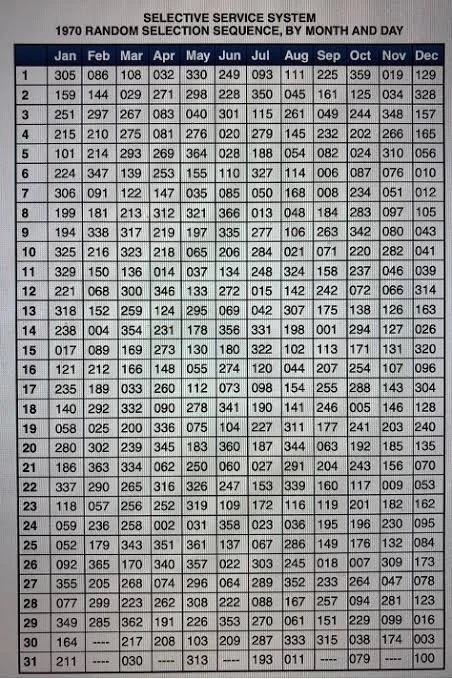
Young volunteers took over the drawing. One by one, each date was pinned to a large board next to its number. The second date was April 24. The third was December 30. The drawing lasted about an hour and a half. The last capsule, number 366, was June 8.
A second, smaller drawing followed. This one used the 26 letters of the alphabet to decide the order of men who shared the same birthday, by the first letter of their last name. The first letter drawn was “J.”
Which Birthdays Were Picked for the Vietnam Draft?
These were the first ten birthdays drawn on December 1, 1969 — the men most certain to be called in 1970:
| Lottery number | Birthday |
|---|---|
| 1 | September 14 |
| 2 | April 24 |
| 3 | December 30 |
| 4 | February 14 |
| 5 | October 18 |
| 6 | September 6 |
| 7 | October 26 |
| 8 | September 7 |
| 9 | November 22 |
| 10 | December 6 |
The full list for every lottery is published by the Selective Service System on its website, sss.gov, under “Vietnam Lotteries.” Many veterans and their families still look up their numbers there.
What Your Number Meant
Your number was your place in line for 1970. Draft boards called men in order, starting from number 1, until they had enough. The higher the number, the safer you were.
- Low numbers (roughly 1–120): almost certain to be called for a physical exam and, if fit and not deferred, inducted.
- Middle numbers: a nervous wait. Nobody knew in advance how far the calls would go.
- High numbers (roughly 250 and up): very likely safe.
In the end, the cutoff for 1970 was 195. The last birthday called was September 24. Men with the other 171 birthdays were never called up that year — and because the lottery only covered one year of risk, most of them never were.
Being called did not automatically mean going to Vietnam. Many men failed the physical or still qualified for a deferment, and others were sent to bases in the United States, Europe or Korea. But draftees did a large share of the fighting: nearly a third of the Americans killed in Vietnam had been drafted.
The lottery also changed how men made decisions. Some with low numbers quickly volunteered for the Navy, Air Force or National Guard, hoping to avoid the Army infantry. Some with high numbers gave up their student deferments, knowing they were now safe.
Was the Draft Lottery Fair?
Within weeks, statisticians noticed something odd. Birthdays late in the year came up far too early. Of December’s 31 dates, only five — December 2, 12, 15, 17 and 19 — had numbers above 195. If the drawing had been truly random, about 14 December dates should have escaped.
The cause was simple. The capsules had been filled and put into a box month by month, January first and December last. They were not mixed well enough, so the later months stayed near the top, where hands reached first.
A lawsuit argued that the lottery was not random as the law required. A federal court disagreed, ruling that while the drawing was not scientifically perfect, it had been carried out fairly and without discrimination. Still, the government changed the method. From the next lottery in July 1970, it used two drums — one with dates and one with numbers — and random sequences prepared by the National Bureau of Standards.
The Later Lotteries and the End of the Draft
| Drawing date | Men born in | Highest number called |
|---|---|---|
| December 1, 1969 | 1944–1950 | 195 |
| July 1, 1970 | 1951 | 125 |
| August 5, 1971 | 1952 | 95 |
| February 2, 1972 | 1953 | none inducted* |
| March 1973 – March 1975 | 1954–1956 | none inducted* |
*Some men from these years were called for physical exams, but no one from these groups was inducted. Source: Selective Service System.
As U.S. troops came home from Vietnam, draft calls shrank. The last man was inducted on June 30, 1973, and the United States moved to an all-volunteer military. Lotteries were still held until 1975, in case the draft was needed again.
Could There Be a Draft Lottery Today?
The lottery still exists on paper. American men must still register with the Selective Service System between the ages of 18 and 25. If Congress and the president ever brought back the draft, a lottery based on birthdays would again decide the order of call. Under current plans, men turning 20 that year would be called first.
Why the Draft Lottery Still Matters
For millions of Americans now in their seventies, December 1, 1969, is a night they never forgot. A capsule pulled from a jar decided who went to war, who stayed home — and, for some, who never came back. The lottery was meant to make the draft fairer. Instead, it showed a generation how much of its fate came down to luck. To see how the draft fit into the wider war, read our clear Vietnam War summary.
Keep Reading
- The Vietnam War Explained: A Clear Summary (1955–1975)
- The First Indochina War: A Clear Summary of How France Lost Vietnam (1946–1954)
- What Happened to the French Prisoners After Dien Bien Phu?
- Who Was the First American Killed in Vietnam? The Answer Is Older Than You Think
- What Happened to South Vietnamese Soldiers After the Fall of Saigon?
- Inside Ho Thuy Tien, Vietnam’s Abandoned Water Park
Frequently Asked Questions
Which birthdays were picked first for the Vietnam draft?
September 14 was drawn first on December 1, 1969, followed by April 24, December 30, February 14 and October 18. Men born on these dates between 1944 and 1950 were the first called in 1970.
How likely was it to get drafted in Vietnam?
It depended on your number. In 1970, every number up to 195 was called, so men with low numbers were very likely to be called for an exam, while those above about 250 were almost certainly safe. Many who were called were deferred, disqualified or served outside Vietnam.
What was the highest draft number called?
For the first lottery (men born 1944–1950), the highest number called was 195. It was 125 for men born in 1951 and 95 for men born in 1952.
Was the 1969 draft lottery random?
Not completely. Because the capsules were poorly mixed, December birthdays tended to get low numbers. The method was changed for the 1970 lottery.
When did the Vietnam draft end?
The last American was drafted on June 30, 1973. Since then, the U.S. military has been all-volunteer, though men must still register with Selective Service.
Sources
- Selective Service System — “The Vietnam Lotteries” and lottery result tables (sss.gov)
- Norton Starr, “Nonrandom Risk: The 1970 Draft Lottery,” Journal of Statistics Education (1997)
- The New York Times — David E. Rosenbaum, “Statisticians Charge Draft Lottery Was Not Random,” January 4, 1970
- United States Court of Appeals — Stodolsky v. Hershey (1969) and related rulings on the lottery
- National Archives — Vietnam War U.S. Military Fatal Casualty Statistics
- The United States of America Vietnam War Commemoration — “First Draft Lottery Since World War II“