Last updated:
Many Vietnam veterans came home to silence, suspicion or open hostility instead of thanks. The reasons were a war that had bitterly divided the country, soldiers who returned alone rather than with their units, an older generation of veterans that often did not accept them, and a nation that simply wanted to forget. Some veterans were insulted or blamed for the war itself. It took more than a decade — and a black granite wall in Washington — for America to begin saying “welcome home.”
Key Facts
- Americans who served in Vietnam: about 2.6–2.7 million
- Typical tour: 12 months (13 for Marines), served and ended individually
- Homecoming: usually alone, on a commercial or charter flight, often within 48 hours of leaving the field
- Parades at the time: almost none
- PTSD officially recognized: 1980
- The Wall dedicated: November 13, 1982
- National Vietnam War Veterans Day: March 29 (federal law, 2017)
Coming Home Alone
In 1945, American soldiers came home from World War II on troopships, together with the men they had fought beside. Towns held parades. The war had been won, and nearly everyone had supported it.
Vietnam was different from the first day of a soldier’s tour to the last. Most men were sent as individuals, not as units, and served a fixed 12-month tour. When the year was up, they left — alone. A soldier could be in a firefight one week and, two days later, walking through an airport in California in a uniform that drew stares.
There was no long voyage home to talk with friends who understood, no shared homecoming, no time to adjust. Many veterans have said that the hardest part was not the hostility they met, but the feeling that nobody wanted to hear about where they had been.
A Country Divided
By the late 1960s, the war was the most divisive issue in America. Millions marched against it. Nightly television news brought images of fighting, and in 1969 the country learned about the My Lai massacre, in which U.S. soldiers had killed hundreds of Vietnamese civilians the year before.
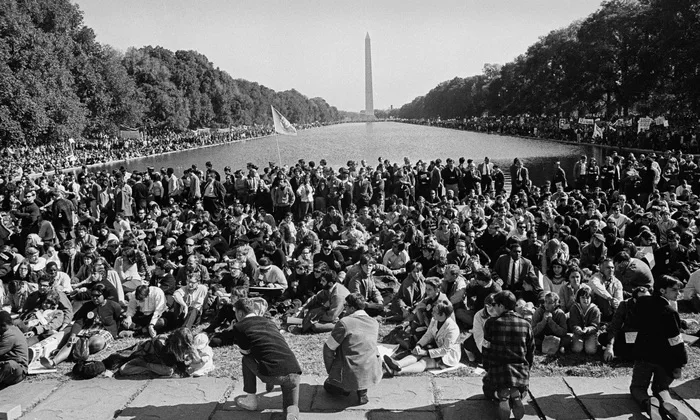
Some opponents of the war turned their anger on the men who had fought it. Veterans recalled being called “baby killers,” turned away at parties, or told to change out of their uniforms before traveling. Many simply stopped telling people they had served.
It is important to be fair here: surveys from the period suggest that most Americans did not blame individual soldiers. But a vocal minority did, and the general mood of the country — tired, angry and ashamed of a war that was being lost — left little room for celebration.
Rejected by the Older Generation
The hostility did not come only from protesters. Some veterans of World War II and Korea looked down on Vietnam veterans. In their view, Vietnam was not a “real war,” or it was a war these young men had lost.
Some local posts of veterans’ groups such as the American Legion and the Veterans of Foreign Wars were slow to welcome Vietnam veterans in the 1960s and 1970s. Many younger veterans felt they were not wanted in the very organizations meant to support them. That changed over time, and Vietnam veterans later became the backbone of many of those same groups.
Little Help From the Government
Practical support was also thin. GI Bill education benefits in the early years were worth less, in real terms, than those given to World War II veterans. Unemployment among young veterans was high in the early 1970s.
The psychological wounds of war were barely understood. The term post-traumatic stress disorder was only officially recognized by American psychiatrists in 1980. Until then, many veterans who struggled with nightmares, anger or depression got little help. Illnesses linked to Agent Orange, the herbicide sprayed over Vietnam, were disputed for years; Congress passed the Agent Orange Act only in 1991.
Were Vietnam Veterans Really Spit On?
The image of a returning soldier being spat on by a protester has become one of the best-known stories of the Vietnam era. It is also one of the most debated.
Many veterans have described being spat on, in airports and on the street. In 1989, the columnist Bob Greene asked veterans to write to him about their homecomings and received hundreds of letters; dozens described being spat on, while others said it had never happened to them.
In 1998, sociologist and Vietnam veteran Jerry Lembcke published The Spitting Image. He searched newspapers and records from the war years and found few contemporary reports of such incidents. He argued that the story grew stronger in later years, especially through films and popular culture.
What can be said fairly is this: no one can prove how often it happened, and some individual accounts cannot be checked. But the debate is not really about spitting. Whether or not a particular veteran was spat on, a great many felt rejected and dishonored by the country they had served — and that feeling is well documented.
Welcome Home at Last
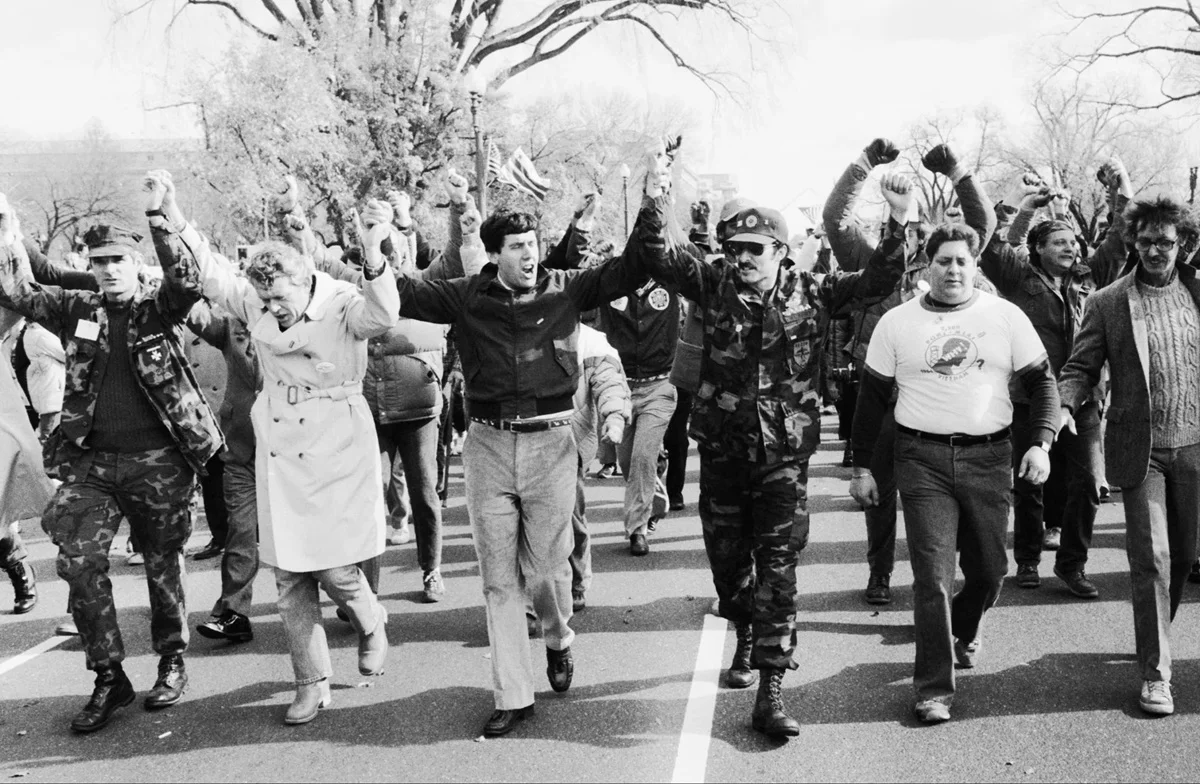
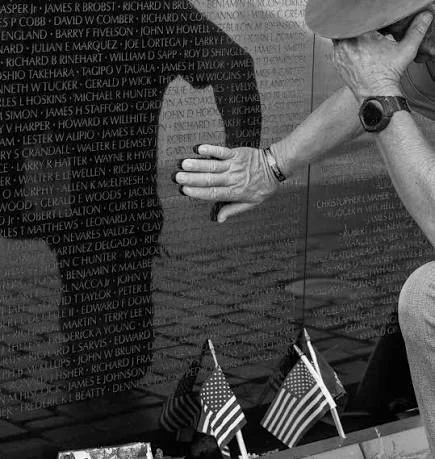
Change came slowly, and largely through the veterans themselves. In 1979, Vietnam veteran Jan Scruggs founded the Vietnam Veterans Memorial Fund. Paid for by private donations, the Vietnam Veterans Memorial — The Wall — was dedicated in Washington on November 13, 1982. It was controversial at first, but it quickly became one of the most visited memorials in America and a place where veterans and families could grieve together.
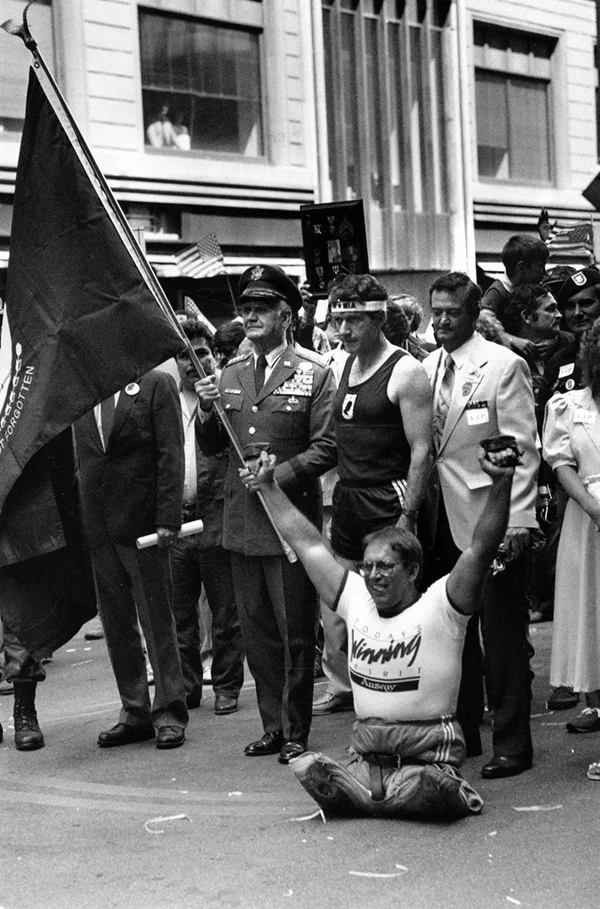
On May 7, 1985, ten years after the war ended, New York City held a ticker-tape Welcome Home parade for Vietnam veterans. Other cities followed. In 2017, Congress made March 29 — the day in 1973 when the last U.S. combat troops left Vietnam — National Vietnam War Veterans Day.
The experience of Vietnam veterans also changed how America treats its troops. During later wars, many Americans made a point of separating their views on the war from their respect for the people who fought it. Vietnam veterans were often the first to greet returning soldiers at airports.
| Year | Milestone for Vietnam veterans |
|---|---|
| 1973 | Last U.S. combat troops leave Vietnam (March 29) |
| 1979 | Vietnam Veterans Memorial Fund founded |
| 1980 | PTSD officially recognized as a diagnosis |
| 1982 | The Wall dedicated in Washington, D.C. |
| 1985 | New York’s Welcome Home parade |
| 1991 | Agent Orange Act passed |
| 2017 | March 29 made National Vietnam War Veterans Day |
Why It Still Matters
Today, Vietnam veterans are in their seventies and eighties. Many say that the welcome they finally received, decades late, mattered deeply — but could not undo the years of silence. Their experience left a lasting lesson for the country: that a nation can disagree about a war and still honor those it sent to fight it. To understand the war they came home from, read our clear Vietnam War summary.
Keep Reading
- Why Are Americans Still Missing in Vietnam 50 Years Later?
- What Happened to the Vietnamese Boat People? Where They Went, How Many Died, and Why the Camps Closed
- What Happened to Amerasian Children After the Vietnam War?
- How Did the Cu Chi Tunnels Work? Inside the Underground War — and the Tunnel Rats Sent to Fight It
- Why the 17th Parallel? How Vietnam’s Dividing Line Was Chosen in 1954
Frequently Asked Questions
Why were Vietnam veterans treated so badly?
Because the war was deeply unpopular and divisive, soldiers came home alone rather than as units, some Americans blamed the troops for the war, older veterans’ groups were sometimes unwelcoming, and the country largely wanted to forget a war it was losing.
Were Vietnam veterans spit on?
Many veterans say they were, and some accounts are well known. Sociologist Jerry Lembcke found few reports from the time and argues the story grew later. It is not possible to know how often it happened, but many veterans did feel rejected on their return.
Why were there no parades for Vietnam veterans?
The war ended without a victory and remained bitterly divisive, and most soldiers came home individually over many years rather than all at once. Large welcome-home parades came only in the 1980s, starting with New York in 1985.
When is Vietnam Veterans Day?
National Vietnam War Veterans Day is March 29, the date in 1973 when the last U.S. combat troops left Vietnam. It was made official by a federal law in 2017.
How are Vietnam veterans treated today?
Much better. Polls show high public respect for Vietnam veterans, and the government’s 50th anniversary commemoration (2012–2025) thanked millions of them with lapel pins and ceremonies across the country.
Sources
- Vietnam Veterans Memorial Fund — history of The Wall
- The United States of America Vietnam War Commemoration (vietnamwar50th.com)
- U.S. Department of Veterans Affairs — “PTSD: National Center for PTSD” and Agent Orange history
- Jerry Lembcke, The Spitting Image: Myth, Memory, and the Legacy of Vietnam (1998)
- Bob Greene, Homecoming: When the Soldiers Returned from Vietnam (1989)
- Public Law 115-15, Vietnam War Veterans Recognition Act of 2017