Last updated:
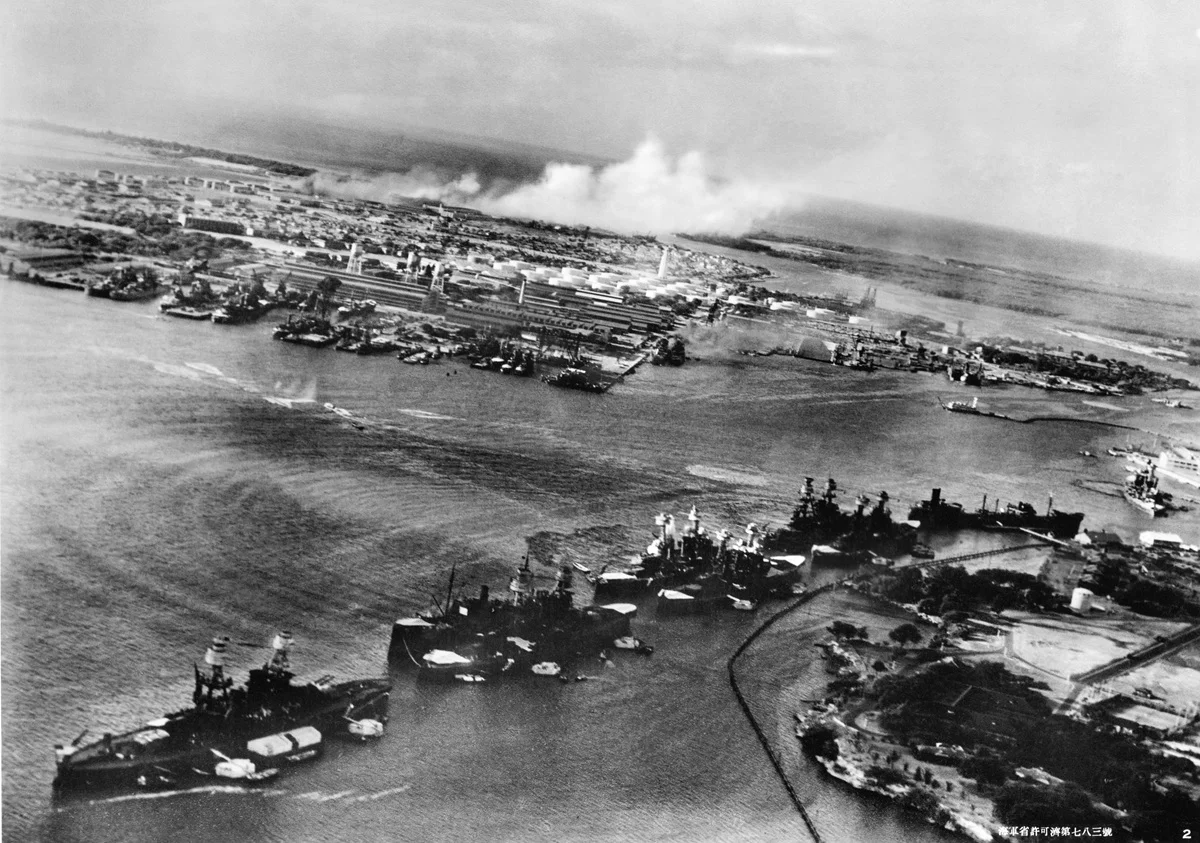
Japan didn’t launch a third wave at Pearl Harbor because none had been formally planned, and the commander on the scene, Vice Admiral Chuichi Nagumo, decided the risk was not worth it. His fleet was low on fuel, the American aircraft carriers were still unaccounted for, and a new strike would have meant landing planes in the dark. Leaving early spared the base’s fuel tanks and repair yards — the targets that many historians, and Admiral Chester Nimitz himself, later said mattered more than the battleships.
For decades, the “missing third wave” has been told as a story of a timid admiral overruling a bold pilot. The real story is more complicated — and the most famous version of it may have been embellished by the pilot himself.
Key Facts
- Date: Sunday, December 7, 1941
- Japanese force: six aircraft carriers under Vice Admiral Chuichi Nagumo, with 423 aircraft
- Attack waves: two, about an hour apart; the second wave was 171 aircraft
- American dead: 2,403, including 1,177 aboard USS Arizona
- Japanese losses: 29 aircraft
- Not hit: the fuel tank farm, the Navy Yard repair shops and the submarine base
Was a Third Wave Ever Planned?
Not formally. Admiral Isoroku Yamamoto’s operation orders called for two strikes, and only those two were prepared in detail: crews briefed, planes armed, targets assigned. There were no written orders for a third.
The idea of a follow-up strike did exist in the minds of some planners. Minoru Genda, the air staff officer who helped design the raid, had considered one. But a third wave would have been an improvisation, decided on the spot by Nagumo — and he was the one man who had to bring six carriers home.
What Would a Third Wave Have Hit?
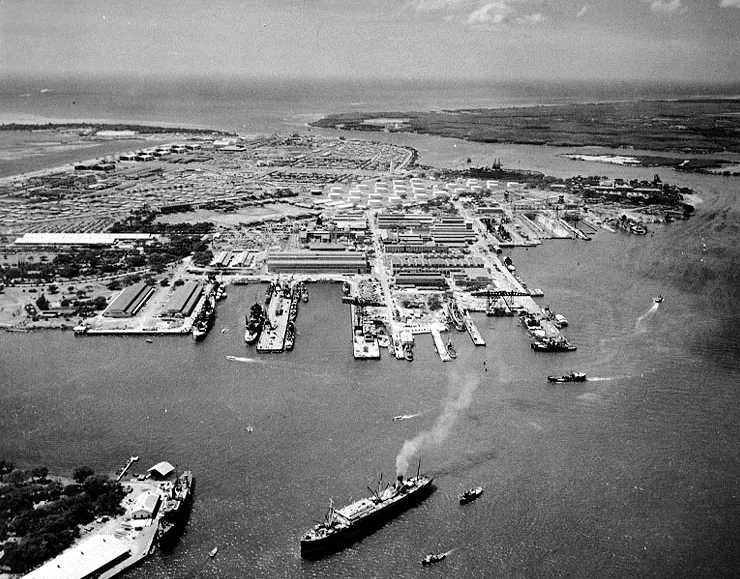
The first two waves went after warships and airfields. Eight battleships were sunk or damaged, and most American planes on Oahu were destroyed on the ground. What the Japanese did not hit was the infrastructure that kept the fleet running.
| Possible target | Why it mattered |
|---|---|
| Fuel oil tank farm | Millions of barrels of fuel for the entire Pacific Fleet, stored in above-ground tanks |
| Navy Yard machine shops and dry docks | Where damaged ships were raised and repaired — many “sunk” battleships later returned to service |
| Submarine base | Home of the submarines that would later sink much of Japan’s merchant fleet |
| Power plant | Ran the base and its repair facilities |
Nimitz, who took command of the Pacific Fleet weeks after the attack, later remarked that destroying the fuel tanks would have prolonged the war by another two years. Some historians think that is an overstatement, since fuel could be shipped in from the West Coast. But almost all agree the shore facilities were a bigger long-term target than the old battleships.
Why Did Nagumo Say No?
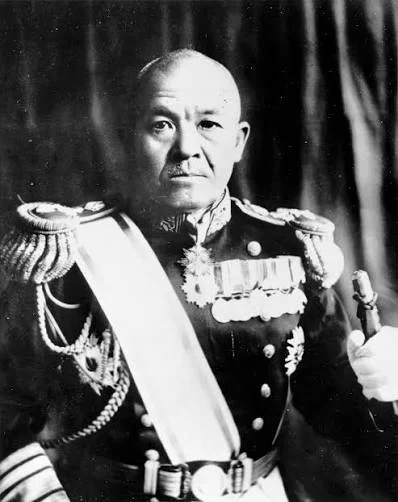
Seen from the bridge of the carrier Akagi on the morning of December 7, Nagumo’s choice looked reasonable. Several facts weighed against staying:
- The American carriers were missing. USS Enterprise and USS Lexington were at sea, location unknown. A counterattack on Japan’s carriers was Nagumo’s greatest fear.
- Fuel was short. The task force was already near the edge of its fuel supply, deep in the central Pacific and far from support.
- Defenses were awake. The second wave met far stronger anti-aircraft fire than the first; most of Japan’s aircraft losses came in that second wave.
- Darkness. Rearming, launching and recovering a third strike would have pushed landings past dusk. Night carrier landings were extremely dangerous in 1941.
- The mission looked complete. Japan had expected it might lose as many as two carriers. It had lost none. In Nagumo’s eyes, the goal — to cripple the battleship fleet — was achieved.
Nagumo turned the fleet for home. Within six months, four of those six carriers would be at the bottom of the sea near Midway, sunk by aircraft from the American carriers he had failed to find.
Did Fuchida Really Beg for a Third Wave?
The most dramatic version of the story comes from Commander Mitsuo Fuchida, who led the air attack. In his later accounts, he returned to Akagi, urged Nagumo to send the planes back to hit the fuel tanks and repair yards, and was overruled by a cautious admiral.
Historians now treat this with suspicion. Jonathan Parshall and Anthony Tully, authors of a landmark study of Japanese carrier operations, found that Fuchida’s earlier accounts said nothing about an argument over a third wave. The story grew only later, after the importance of the shipyard and fuel targets had become widely known — and it made Fuchida look like the man who saw what others missed. Parshall later published a critique of Fuchida’s reliability under the blunt title “A Tale of Three Whoppers.”
That does not mean nobody discussed a follow-up strike. It means the famous scene on the bridge is, at best, uncertain.
Did Japan Make a Mistake by Not Attacking Again?
There are two schools of thought.
- “It was a major mistake”: without fuel and repair yards, the U.S. fleet might have had to fall back to the West Coast, delaying the American counteroffensive by many months. This is the view behind Nimitz’s remark.
- “It would not have changed the outcome”: Parshall, Tully and others argue that Japan lacked the fuel, time and doctrine for a third strike, that the tanks could have been refilled by tanker, and that America’s industrial power made Japan’s defeat likely either way.
Most historians land in between: a third wave would have hurt the United States badly, but it would not have won Japan the war.
What Happened to Pearl Harbor Afterward?
Because the repair yards survived, American engineers were able to raise and repair most of the damaged ships. Of the eight battleships hit, six eventually returned to service. Only USS Arizona and USS Oklahoma were lost for good, along with the old target ship USS Utah.
The fuel tanks Japan ignored fueled the fleet that fought at Midway in June 1942, just six months later.
Keep Reading
- What Happened to Japanese Americans After the Internment Camps?
- What Happened to Easy Company After WWII? The Real “Band of Brothers” After the War
- What Happened to the Nazi Scientists Brought to America? Operation Paperclip Explained
- What Happened to the Doolittle Raiders Captured by Japan? The Fate of the Eight
- Why Did Japanese Soldiers Refuse to Surrender in WWII? From Iwo Jima to Hiroo Onoda
Frequently Asked Questions
Did Japan ever apologize for Pearl Harbor?
Not with a formal apology for the attack itself. Japan’s government has expressed general remorse for the war, and in 2016 Prime Minister Shinzo Abe visited the USS Arizona Memorial with President Barack Obama and offered condolences — but not an apology.
How many waves were there at Pearl Harbor?
Two. The first wave struck just before 8:00 a.m. local time; the second about an hour later. A third was discussed but never launched.
Why weren’t the American aircraft carriers at Pearl Harbor?
They were at sea delivering aircraft to Wake and Midway islands. Their absence meant Japan missed the ships that would decide the Pacific war.
Why It Still Matters
The third wave that never came is one of the great “what ifs” of World War II. It shows how a decision made in a few hours, by a commander worried about his own ships, can shape a war for years. It also shows how easily a good story — the bold pilot, the timid admiral — can become accepted history. The ships Japan sank on December 7 mostly came back. The fuel tanks and repair yards it left standing helped America strike back at Midway.
Sources
- Jonathan Parshall, “Reflecting on Fuchida, or ‘A Tale of Three Whoppers’,” Naval War College Review 63, no. 2 (2010)
- Jonathan Parshall and Anthony Tully, Shattered Sword: The Untold Story of the Battle of Midway (Potomac Books, 2005)
- Gordon W. Prange, At Dawn We Slept: The Untold Story of Pearl Harbor (1981)
- Naval History and Heritage Command — Pearl Harbor attack overview and casualty figures (history.navy.mil)
- Sky History (history.co.uk) — “Was a third wave planned at Pearl Harbor?”
- Warfare History / weaponsandwarfare.com — “The Third Wave” (Nimitz and Hart quotations)
- National Park Service — Pearl Harbor National Memorial, USS Arizona fuel oil studies
- Jacob DeShazer, I Was a Prisoner of Japan (Bible Meditation League, 1950); Mitsuo Fuchida, From Pearl Harbor to Calvary