Last updated:
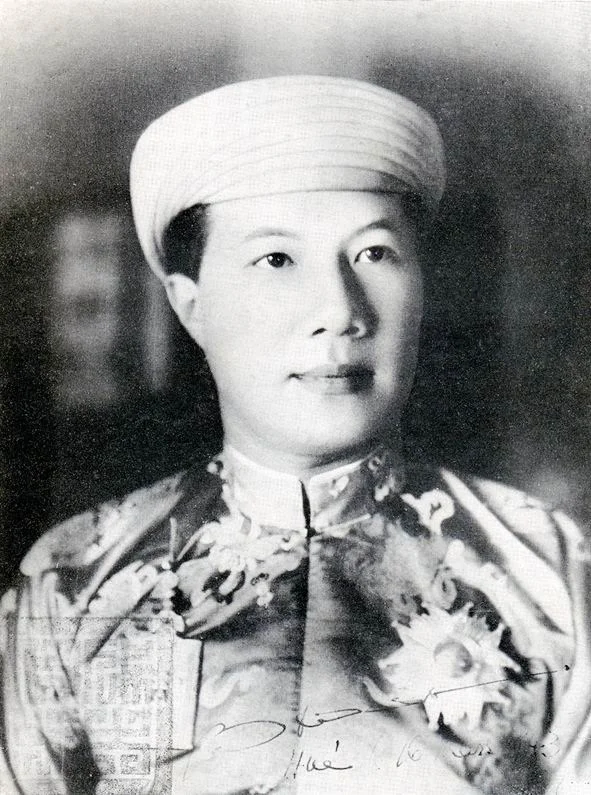
Bao Dai, the last emperor of Vietnam, gave up his throne to Ho Chi Minh in August 1945, returned in 1949 as France’s chosen head of state, and was removed for good in 1955 by his own prime minister, Ngo Dinh Diem, in a referendum widely seen as rigged. He spent the rest of his life in exile in France, largely forgotten, and died in Paris in the summer of 1997 at the age of 83. He is buried in Passy Cemetery in Paris.
Key Facts
- Born: Nguyen Vinh Thuy, October 22, 1913, in Hue
- Emperor: 1926–1945 (Nguyen dynasty, Vietnam’s last)
- Abdicated: August 1945, to Ho Chi Minh’s Viet Minh
- Chief of State of Vietnam: 1949–1955, backed by France
- Removed: October 1955 referendum organized by Ngo Dinh Diem
- Exile: France, from the mid-1950s until his death
- Died: summer 1997, Paris, aged 83; buried in Passy Cemetery
Emperor at 12
Nguyen Vinh Thuy was born in 1913 in the imperial city of Hue, the son of Emperor Khai Dinh. At nine, he was sent to France to be educated. When his father died in 1925, the boy became emperor and took the name Bao Dai — “Keeper of Greatness.” He was 12 years old.
The title was grander than the job. Vietnam was part of French Indochina, and real power lay with the French. Bao Dai returned to France to finish his studies and only came back to rule in 1932. He tried some modest reforms — in 1933 he even appointed a young official named Ngo Dinh Diem as a minister — but the French blocked any real change, and Diem resigned within months.
In 1934, Bao Dai married Nguyen Huu Thi Lan, a Catholic from a wealthy southern family, who became Empress Nam Phuong. Frustrated with politics, the young emperor turned to hunting, tennis, fast cars and the good life.
1945: “Citizen of a Free Country”
World War II changed everything. On March 9, 1945, Japan overthrew the French administration in Indochina. Under Japanese protection, Bao Dai declared Vietnam independent and formed a government — but it had little real power.
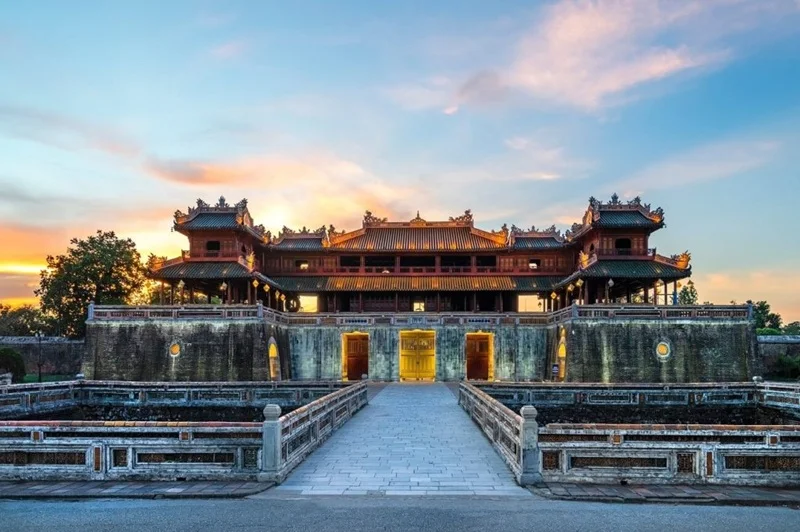
When Japan surrendered in August 1945, Ho Chi Minh’s Viet Minh took control of Hanoi and demanded that the emperor step down. On August 25, Bao Dai agreed. At a ceremony in Hue a few days later, he handed over the imperial seal and sword to Viet Minh representatives, saying he preferred to be a citizen of an independent country rather than the king of an enslaved one. More than 900 years of Vietnamese monarchy came to an end.
For a short time, the former emperor — now plain “Citizen Vinh Thuy” — served as a “supreme adviser” to Ho Chi Minh’s government. In 1946 he left on a trip to China and did not come back, settling in Hong Kong.
Head of State Again (1949–1955)
As its war against the Viet Minh dragged on, France looked for a Vietnamese leader who could rival Ho Chi Minh. It turned to the former emperor. In March 1949, after long negotiations, Bao Dai agreed to return as Chief of State of a new “State of Vietnam,” which France recognized as independent within the French Union.
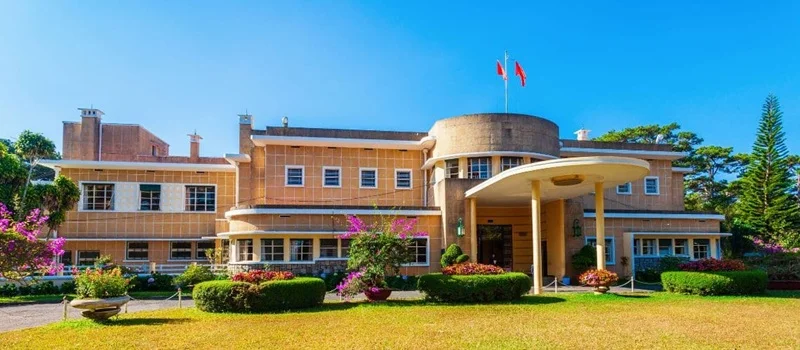
The independence was limited. France still controlled the army, foreign policy and much of the economy. Bao Dai spent long periods in his palaces in the hill town of Dalat and on the French Riviera, and the press nicknamed him the “Playboy Emperor.” Many Vietnamese nationalists saw him as a French puppet; the United States, which was funding France’s war, was frustrated by his lack of energy.
After France’s defeat at Dien Bien Phu, Bao Dai, under American pressure, appointed Ngo Dinh Diem as his prime minister in June 1954. It was a fateful choice.
Voted Out: The 1955 Referendum
Diem, a strong-willed anti-communist with growing U.S. support, quickly moved to push Bao Dai aside. On October 23, 1955, he held a referendum asking voters to choose between the former emperor and himself.
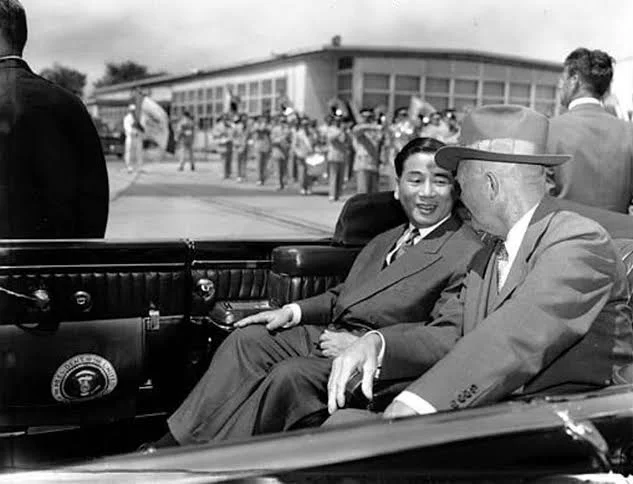
Diem’s campaign attacked Bao Dai as a puppet of France and a playboy. Voters received red ballots for Diem — red was a lucky color — and green ones for Bao Dai. Officially, Diem won 98.2% of the vote. In Saigon, more votes were counted than there were registered voters. Historians agree the result was rigged, though Bao Dai’s popularity was genuinely low. Three days later, Diem proclaimed the Republic of Vietnam, with himself as president.
| Year | What happened |
|---|---|
| 1913 | Born in Hue |
| 1926 | Becomes emperor at 12 |
| 1932 | Returns from France to rule |
| 1945 | Declares independence under Japan, then abdicates to the Viet Minh |
| 1949 | Returns as Chief of State of the French-backed State of Vietnam |
| 1954 | Appoints Ngo Dinh Diem prime minister |
| 1955 | Removed in Diem’s referendum |
| 1982 | Visits Vietnamese communities in the United States |
| 1988 | Baptized a Catholic |
| 1997 | Dies in Paris, aged 83 |
Exile in France
Bao Dai never returned to Vietnam. He lived in France, dividing his time between Paris and the Riviera, and his fortune gradually dwindled. Empress Nam Phuong lived separately in the French countryside and died in 1963. Bao Dai later remarried.
He mostly stayed out of politics, though from time to time he appealed for peace in Vietnam. In 1982 he visited Vietnamese refugee communities in the United States. In 1988 he converted from Buddhism to Catholicism, taking the baptismal name Jean-Robert.
He died at a military hospital in Paris in the summer of 1997, aged 83, and was buried in Passy Cemetery. His eldest son, Bao Long, became head of the Nguyen family; he died in 2007.
Was Bao Dai a Puppet?
This is the question most people ask about him, and historians give different answers.
The case that he was: For most of his life, Bao Dai held a title while others held power — first the French, then the Japanese, then the French again. In 1949–1955 he depended on French money and soldiers and spent much of his time away from Vietnam.
The case that it is more complicated: Some historians argue that Bao Dai had almost no room to act and used what little he had. His abdication in 1945 helped avoid bloodshed and gave legitimacy to Vietnamese independence. In 1949 he pushed France for more concessions than it wanted to give. He was weak and often absent, these historians say — but he was also a man trapped between much stronger forces.
Why Bao Dai’s Story Still Matters
Bao Dai’s life traces the whole arc of modern Vietnam: from French colony to Japanese occupation, revolution, the French war and the American-backed South. His replacement by Ngo Dinh Diem marked the moment when the United States, not France, became the main foreign power in South Vietnam. Today, visitors to Vietnam can tour his palaces in Dalat and the Imperial City of Hue. For the wider story of France’s war, see our summary of the First Indochina War.
Keep Reading
- Why Are Americans Still Missing in Vietnam 50 Years Later?
- What Happened to the Vietnamese Boat People? Where They Went, How Many Died, and Why the Camps Closed
- What Happened to Amerasian Children After the Vietnam War?
- How Did the Cu Chi Tunnels Work? Inside the Underground War — and the Tunnel Rats Sent to Fight It
- Why the 17th Parallel? How Vietnam’s Dividing Line Was Chosen in 1954
Frequently Asked Questions
Was Bao Dai a puppet?
He is widely described as one, because the French and then the Japanese held real power during his reign. Some historians argue he had little choice and occasionally pushed back, but most agree he had limited influence.
Why did Bao Dai abdicate in 1945?
After Japan’s surrender, Ho Chi Minh’s Viet Minh took power in Hanoi and demanded his abdication. Bao Dai agreed in late August 1945, saying he preferred to be a citizen of an independent country.
Where is Bao Dai buried?
In Passy Cemetery in Paris, France.
Who was the last emperor of Vietnam?
Bao Dai, of the Nguyen dynasty, who reigned from 1926 to 1945.
Can you visit Bao Dai’s palace?
Yes. His Summer Palace in Dalat and the Imperial City in Hue, where he grew up and abdicated, are open to visitors.
Sources
- Encyclopaedia Britannica — “Bao Dai”
- EBSCO Research Starters — “Bao Dai”
- History Today — “Birth of Emperor Bao Dai of Vietnam”
- Alpha History — “Bao Dai”
- The New York Times — obituary of Bao Dai (1997)
- Edward Miller, Misalliance: Ngo Dinh Diem, the United States, and the Fate of South Vietnam (2013)