Eight Doolittle Raiders were captured by the Japanese in China after the April 1942 raid on Japan. Three — Lt. Dean Hallmark, Lt. William Farrow and Sgt. Harold Spatz — were tried by a Japanese military court and executed by firing squad in Shanghai on October 15, 1942. A fourth, Lt. Robert Meder, died of starvation and disease in prison in December 1943. The other four survived 40 months of captivity, much of it in solitary confinement, and were freed in August 1945. Japan also took revenge on the Chinese who helped the Americans, at a cost of tens of thousands of lives or more.
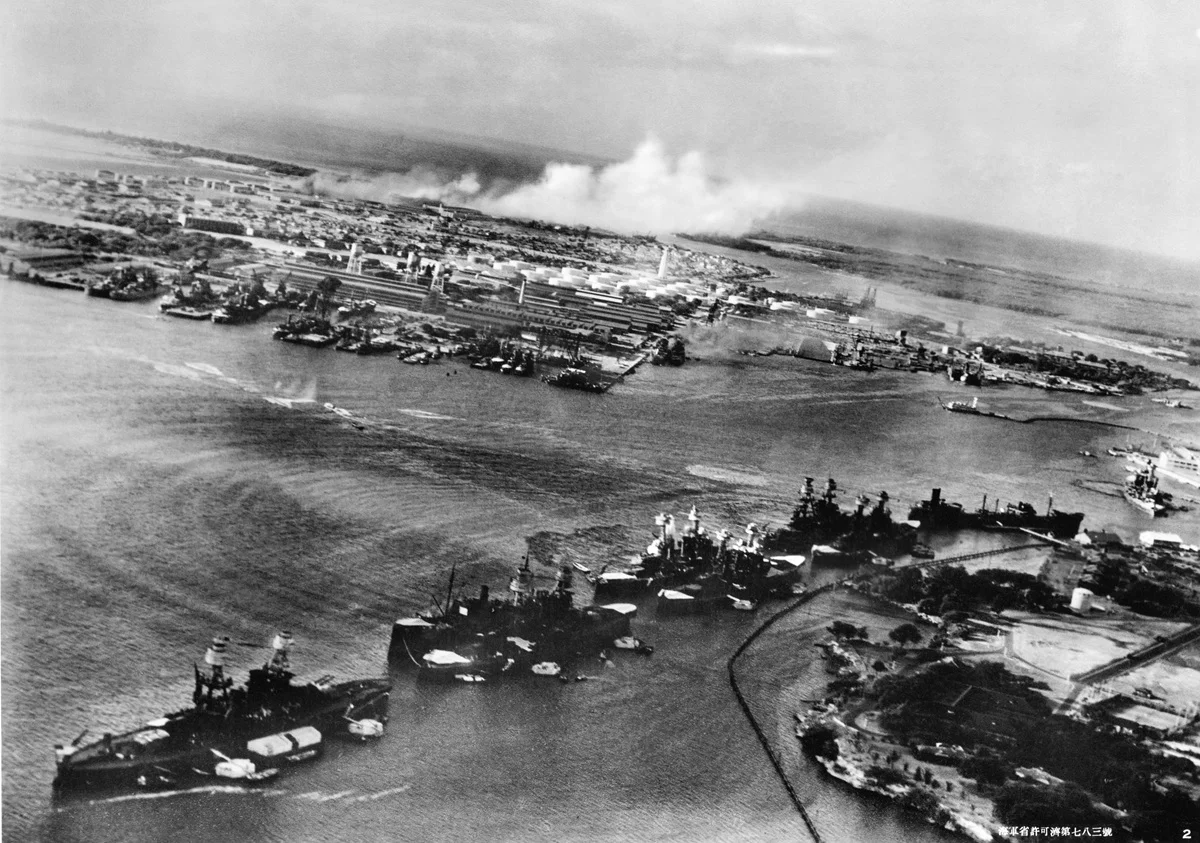
For a country still reeling from Pearl Harbor, the raid was a rare piece of good news. For these eight men — and for the Chinese villages where the bombers came down — it was the beginning of a much darker story.
Key Facts
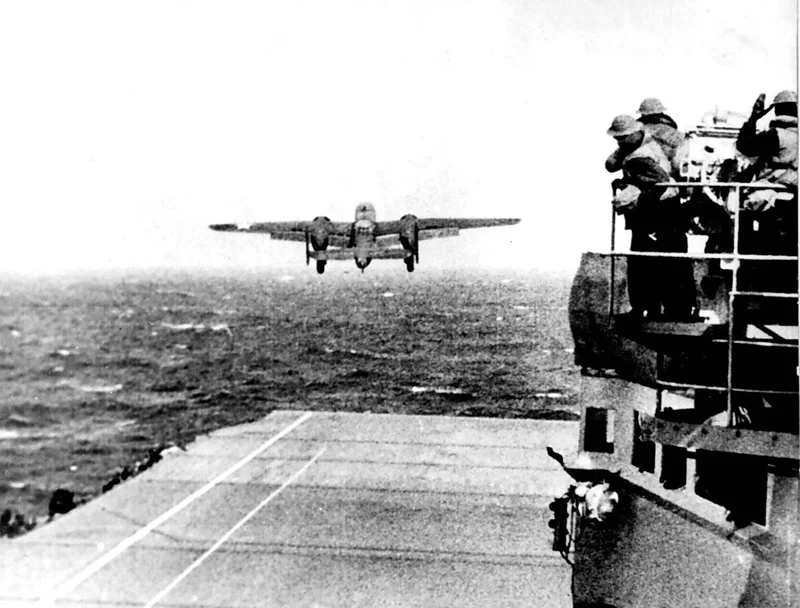
- The raid: April 18, 1942 — 16 B-25 bombers, 80 airmen, launched from USS Hornet
- Captured: 8 men from two crews (Crew 6 and Crew 16)
- Executed: 3, at Shanghai on October 15, 1942
- Died in prison: 1, Lt. Robert Meder, December 1, 1943
- Survived: 4 — Nielsen, Hite, Barr and DeShazer — freed August 1945
How Were the Raiders Captured?
The plan called for the bombers to hit Tokyo and other cities, then fly on to airfields in free China. Spotted early by a Japanese picket boat, the force launched farther from Japan than planned. After the raid, nearly all the planes ran out of fuel in darkness and bad weather over China. Most crews bailed out or crash-landed, and Chinese civilians and guerrillas helped the majority of the 80 airmen reach safety.
Two crews were not so lucky. Crew 6 ditched off the Chinese coast; two of its men drowned, and the other three were captured. Crew 16 bailed out over Japanese-occupied territory near Nanchang, and all five were taken prisoner.
Who Were the Eight Captured Raiders?
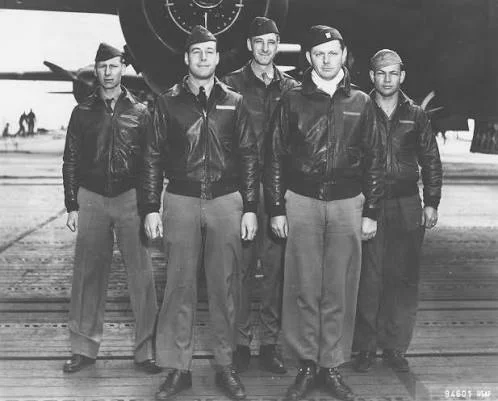
| Name | Crew | Fate |
|---|---|---|
| Lt. Dean E. Hallmark | 6 (pilot) | Executed, October 15, 1942 |
| Lt. Robert J. Meder | 6 (co-pilot) | Died in prison, December 1, 1943 |
| Lt. Chase J. Nielsen | 6 (navigator) | Survived 40 months; died 2007 |
| Lt. William G. Farrow | 16 (pilot) | Executed, October 15, 1942 |
| Lt. Robert L. Hite | 16 (co-pilot) | Survived; died 2015 |
| Lt. George Barr | 16 (navigator) | Survived; died 1967 |
| Cpl. Jacob DeShazer | 16 (bombardier) | Survived; became a missionary in Japan; died 2008 |
| Sgt. Harold A. Spatz | 16 (engineer-gunner) | Executed, October 15, 1942 |
Why Were Three Raiders Executed?
Japan’s leaders were humiliated that American bombers had reached the home islands. Shortly after the raid, Japan passed a law making enemy airmen who attacked civilians liable to the death penalty — applied retroactively.
In late August 1942, the captured airmen were brought before a Japanese military court in Shanghai, charged with bombing and strafing civilians, including schools. They were not told the charges or given a defense, and the proceedings were in Japanese. According to postwar accounts, the court sentenced them to death, and five sentences were then reduced to life in prison as a “merciful” act of the emperor. Hallmark, Farrow and Spatz were driven to Public Cemetery No. 1 outside Shanghai on October 15, 1942, and shot.
The United States only learned that the men were prisoners in August 1942, through the Swiss consulate in Shanghai. Japan announced the executions days later without giving names. The full story came out only after the war.
What Happened to the Four Survivors?
Meder, Nielsen, Hite, Barr and DeShazer were held mostly in solitary confinement on a starvation diet. They suffered from dysentery and beriberi. In April 1943 they were moved to Nanking, where Meder died on December 1, 1943.
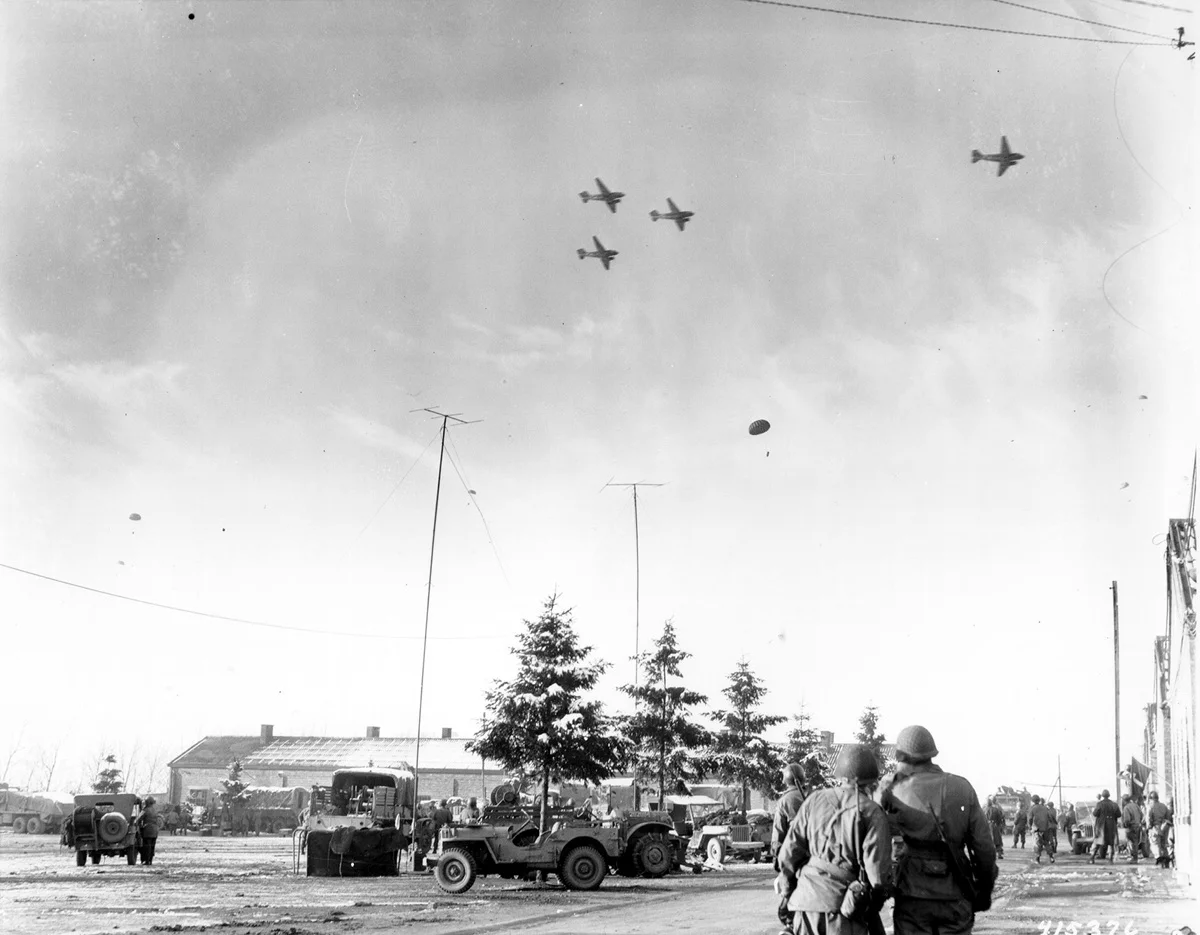
After Meder’s death, conditions improved slightly. The guards gave the prisoners a single copy of the Bible to share, which several later credited with keeping them alive. In 1945 they were moved to Peking (Beijing). On August 20, 1945, after Japan’s surrender, American paratroopers reached the prison and freed them. Barr was so weak and traumatized that he spent months in hospitals before he could go home.
What Did the Raid Cost China?
Within weeks of the raid, Japan launched the Zhejiang–Jiangxi campaign (May–September 1942). Its stated goal was to destroy the airfields in eastern China that the bombers had been trying to reach. It was also revenge. Japanese troops swept through towns and villages suspected of helping the Americans, and Japan’s biological warfare Unit 731 spread cholera, typhoid, plague and other diseases in the region.
How many died is still debated. In 1943, American missionaries and General Claire Chennault reported about 250,000 Chinese deaths, a figure many American historians repeat. Later Chinese provincial records count tens of thousands of civilian dead in Zhejiang alone, with incomplete figures for Jiangxi. Either way, Chinese civilians paid by far the highest price for the Doolittle Raid.
The Prisoner Who Went Back to Japan
Jacob DeShazer had hated his captors. In prison, reading that shared Bible, he said his hatred turned to pity. After the war he trained as a missionary and in 1948 returned to Japan, the country that had held him for 40 months, and spent about 30 years preaching there.
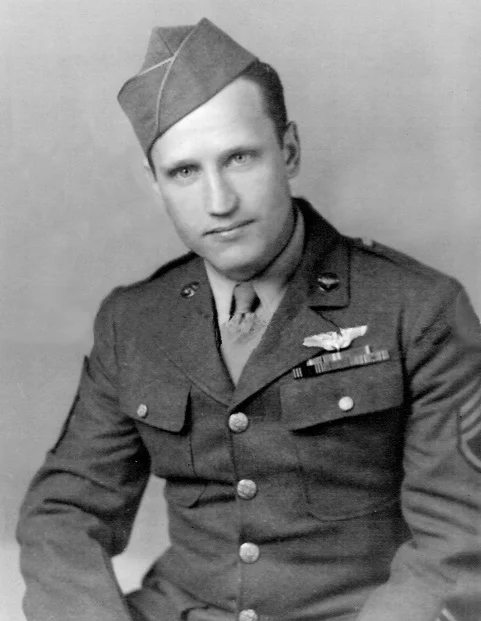
He wrote a short pamphlet about his story, I Was a Prisoner of Japan. One man who read it was Mitsuo Fuchida, the naval aviator who had led the air attack on Pearl Harbor. Fuchida became a Christian and an evangelist himself, and the two former enemies later spoke together at church meetings.
Keep Reading
- What Happened to Japanese Americans After the Internment Camps?
- What Happened to Easy Company After WWII? The Real “Band of Brothers” After the War
- What Happened to the Nazi Scientists Brought to America? Operation Paperclip Explained
- Why Did Japanese Soldiers Refuse to Surrender in WWII? From Iwo Jima to Hiroo Onoda
- Why Did It Take So Long to Rescue the USS Indianapolis Survivors?
Frequently Asked Questions
Did any of Doolittle’s Raiders survive the war?
Yes, most of them. Of the 80 airmen, 3 died during the raid itself, 8 were captured (4 of whom died), and the rest returned to duty. Twelve of the survivors were killed in later combat within about 15 months of the raid. The last surviving raider, Richard Cole, died in 2019.
What did the Japanese think of the Doolittle Raid?
Japan’s military leaders were shocked that the home islands could be hit. The raid pushed Admiral Yamamoto’s plan to attack Midway forward, to push America’s carriers back — a decision that led to Japan’s defeat at Midway in June 1942.
Were the executed raiders’ bodies recovered?
Their ashes were recovered after the war and buried at Arlington National Cemetery.
Why It Still Matters
The Doolittle Raid is usually remembered as a morale boost for a shaken nation. The fate of the eight captured men — and of the Chinese villagers who sheltered American airmen — is a reminder that every bold stroke in war carries costs that fall on others. It is also one of the war’s most remarkable stories of forgiveness, running from a prison cell in China to the man who led the attack on Pearl Harbor.
Sources
- National Museum of the U.S. Air Force — “The Eight Who Were Captured” (fact sheet)
- U.S. Navy, All Hands / DVIDS — “Doolittle and His Raiders, Part 2: One-Way Trip”
- Air Education and Training Command — “Doolittle Raider recalls famous flight”
- Mansell.com — “The POWs of the Doolittle Raiders” (records of the 1946 Shanghai trial)
- Children of the Doolittle Raiders — “Interesting Facts”
- James M. Scott, Target Tokyo: Jimmy Doolittle and the Raid That Avenged Pearl Harbor (W.W. Norton, 2015)
- Melissa Paradis, Last Mission to Tokyo (2022)
- Jacob DeShazer, I Was a Prisoner of Japan (Bible Meditation League, 1950)