Last updated:
After Dien Bien Phu fell on May 7, 1954, about 11,700 soldiers of the French Union were taken prisoner by the Viet Minh. Apart from 858 badly wounded men released in May, the prisoners were marched hundreds of miles to camps in the hills of northern Vietnam. Hunger, disease and exhaustion killed thousands. When the prisoners were handed back four months later, only about 3,300 of them came home.
Key Facts
- Surrender: May 7, 1954, after a 56-day siege
- Captured: 11,721 men, including about 4,400 wounded (French figures)
- Released early: 858 of the most seriously wounded, May 14–26, 1954
- The march: roughly 400 miles (600–700 km) on foot to camps in northern Vietnam
- Returned after Geneva: about 3,290, in August–September 1954
- Who they were: French paratroopers, Foreign Legionnaires (many of them German), North and West African troops, and Vietnamese soldiers
- Estimated death rate in captivity: around 60–70%
The Surrender at Dien Bien Phu
At 5:30 in the afternoon of May 7, 1954, the radio at the French command bunker went quiet. For 56 days, the fortified camp in the valley of Dien Bien Phu had been under siege by the Viet Minh army of General Vo Nguyen Giap. Now it was over. The garrison did not formally surrender; it simply stopped fighting.
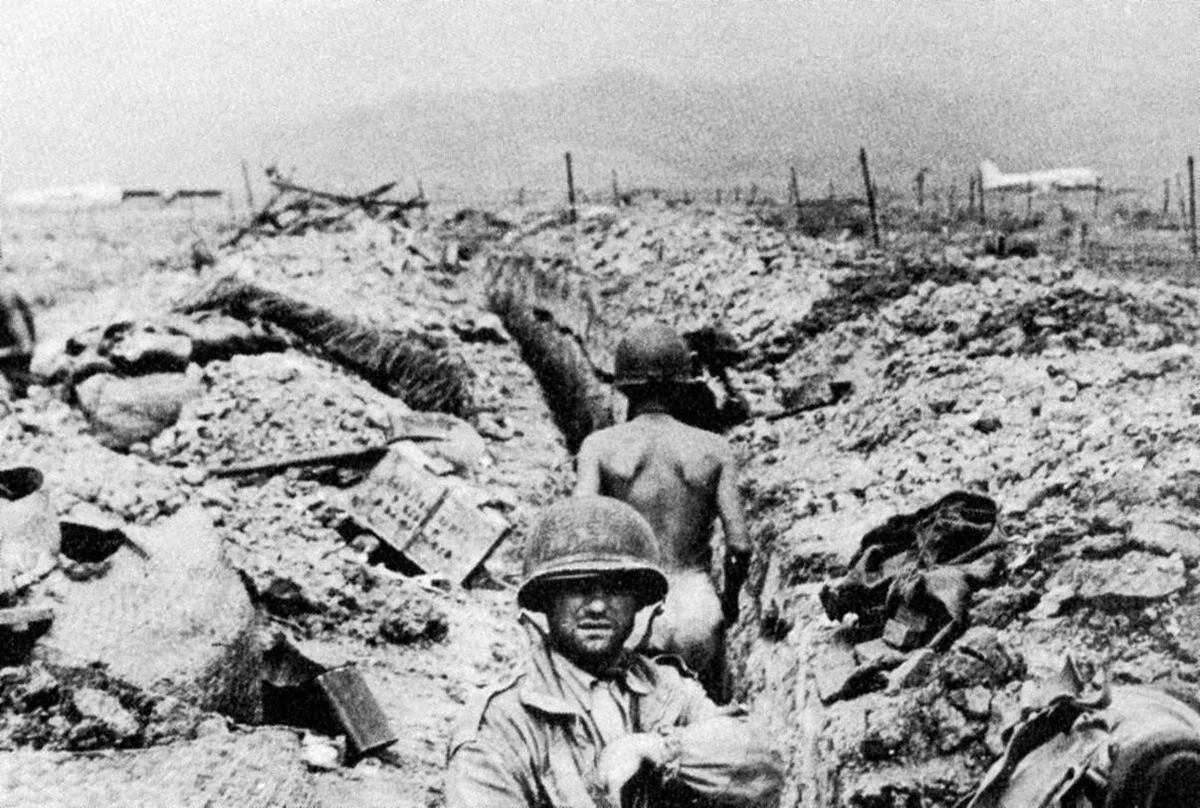
The men who came out of the trenches were exhausted. Many had been living for weeks in mud and flooded dugouts, short of food and water, under constant shellfire. About 4,400 of them were wounded, many lying in an underground hospital built for a few dozen patients.
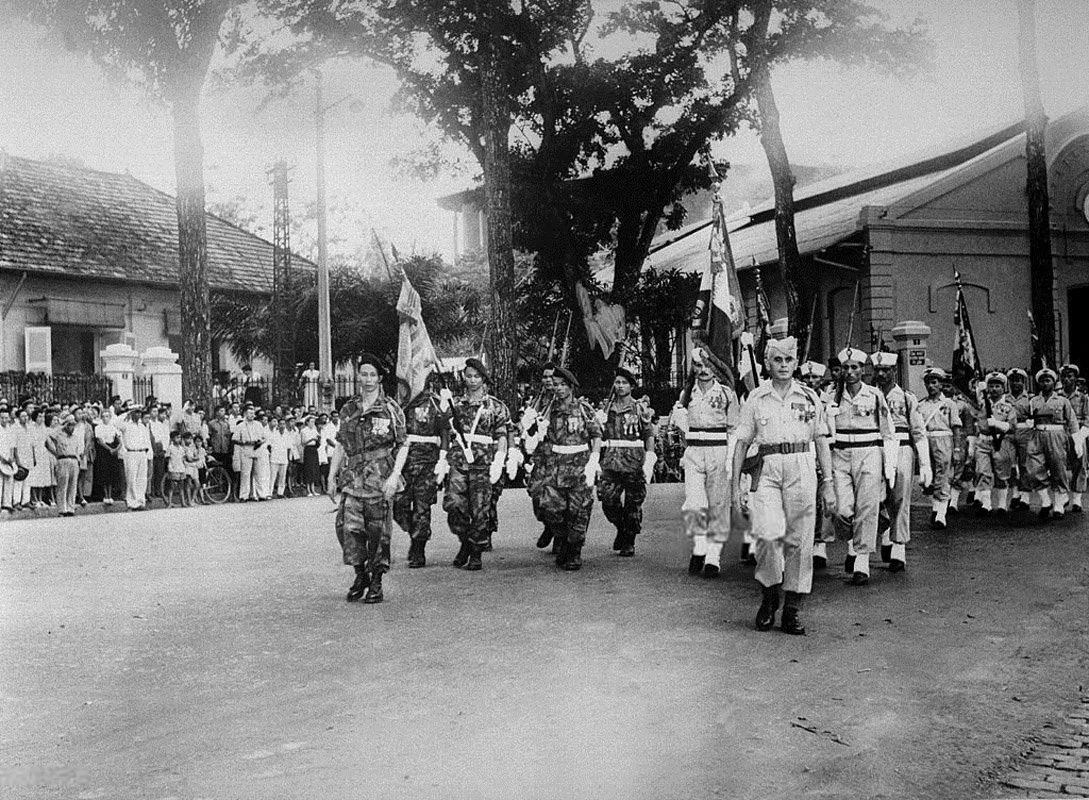
They were not all French. The garrison of the French Union included French paratroopers, Foreign Legionnaires — a large share of them Germans who had joined after World War II — Algerian and Moroccan riflemen, soldiers from West Africa, and thousands of Vietnamese and Tai soldiers who fought for France. (For the full story of the war and the battle, see our summary of the First Indochina War.)
The Wounded: A Deal Through the Red Cross
The fate of the wounded became an international issue. Days after the surrender, the Geneva Conference on Indochina opened in Switzerland. After talks between the French command and the Viet Minh, with the help of the International Committee of the Red Cross, the Viet Minh agreed to release some of the worst cases.
Between May 14 and May 26, French helicopters flew 858 of the most seriously wounded out of the valley. Hundreds of other wounded men were left behind and went into captivity with everyone else.
The March: Hundreds of Miles on Foot
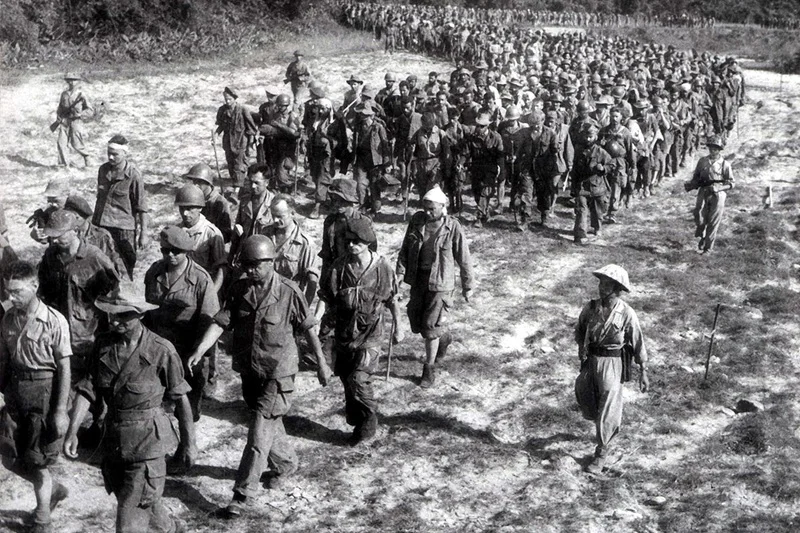
For the roughly 10,000 other prisoners, the real ordeal was only beginning. Within days, they were split up and marched out of the valley in columns. Officers were separated from their men. The destination was a network of prison camps far away — in the Viet Bac hills near the Chinese border and in the province of Thanh Hoa, roughly 400 miles (600–700 km) away.
The prisoners walked, often at night to avoid French aircraft, along jungle trails and mountain roads. Many had no boots. Food was a daily ration of rice, sometimes not even that. Dysentery, malaria and beriberi spread through the columns. Men who could not keep up often died by the side of the road. Survivors later described the march as one of the worst experiences of their lives; some historians have called it a death march.
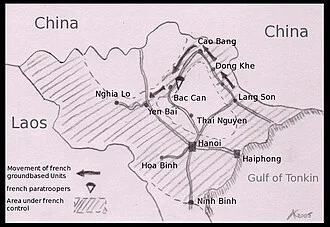
The Viet Minh’s own conditions were hard, too. Their army moved on foot, relied on porters and was short of food and medicine itself. That does not explain everything — prisoners and many historians have described harsh treatment and neglect — but it is part of why the death toll was so high.
Inside the Viet Minh Camps
The camps were usually clusters of bamboo huts in remote valleys. There was little barbed wire; the jungle, the distance and the prisoners’ weakness were enough to keep them in. Escape was almost impossible.
Prisoners suffered from malnutrition and tropical diseases, with almost no medicine. In some camps, more than half the men died within a few months.
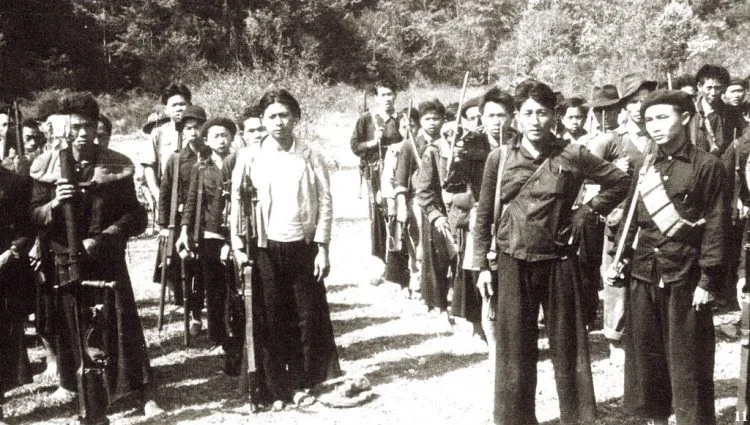
The Viet Minh also tried to change how the prisoners thought. Camps held daily political sessions on colonialism and the “imperialist war.” Prisoners were pushed to write self-criticisms and sign petitions calling for peace. Those who cooperated could get slightly better food or treatment.
One camp later became the center of a scandal in France. At Camp 113, the political officer was Georges Boudarel, a French communist who had joined the Viet Minh. Survivors accused him of contributing to the deaths of prisoners. When he was recognized in Paris in 1991, former prisoners tried to have him prosecuted for crimes against humanity, but the courts ruled that a 1966 amnesty for acts committed in the Indochina war protected him.
The Angel of Dien Bien Phu
One prisoner became famous around the world. Geneviève de Galard was a 29-year-old French Air Force flight nurse. In March 1954, the plane she flew in on was destroyed on the airstrip, and she was trapped in the camp. For the rest of the siege, she nursed the wounded in the underground hospital.
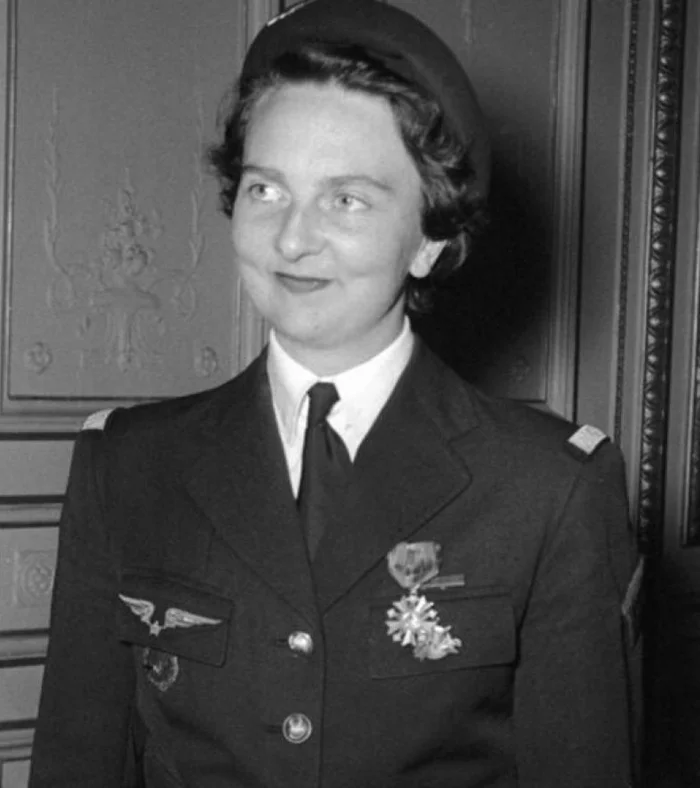
After the surrender, she stayed with her patients and was held by the Viet Minh until late May. The press called her “the Angel of Dien Bien Phu.” That summer she visited the United States, where New York gave her a ticker-tape parade and President Eisenhower awarded her the Presidential Medal of Freedom. She died in 2024, at the age of 99.
Release: Only About 3,300 Came Back
On July 21, 1954, the Geneva Accords ended the war and required both sides to release their prisoners. France, too, was holding tens of thousands of captured Viet Minh fighters, who were handed back in the same period.
From mid-August to early September, French Union prisoners were handed over, many of them at Viet Tri on the Red River. French doctors were shocked by what they saw. The returning men were often skeletal, sick and barely able to walk; some died after their release.
Of the roughly 10,900 prisoners taken into the camps from Dien Bien Phu, about 3,290 were returned. Historians estimate that between 60% and 70% of the prisoners died in captivity. The exact toll is uncertain. Some of the missing were Vietnamese soldiers who were not handed back through the French lists or who stayed in Vietnam, and their fates are poorly recorded.
| Stage | Number of men (approximate) |
|---|---|
| Captured at Dien Bien Phu, May 7, 1954 | 11,721 (including about 4,400 wounded) |
| Badly wounded released in May | 858 |
| Taken to the camps | about 10,900 |
| Returned after the Geneva Accords | about 3,290 |
Figures from French military sources, as cited by historians; exact numbers vary slightly between sources.
What Happened to the Survivors?
Many survivors needed months in hospital. The commander, General Christian de Castries, also returned in September 1954 and faced years of debate in France over who was to blame for the defeat.
For a long time, French society paid little attention to them. The Indochina war had been unpopular, and within months France was fighting a new war in Algeria. Some of the paratroopers and Legionnaires who survived the camps were soon sent there. Veterans’ groups spent decades pressing for recognition, and for information about the men who never came back.
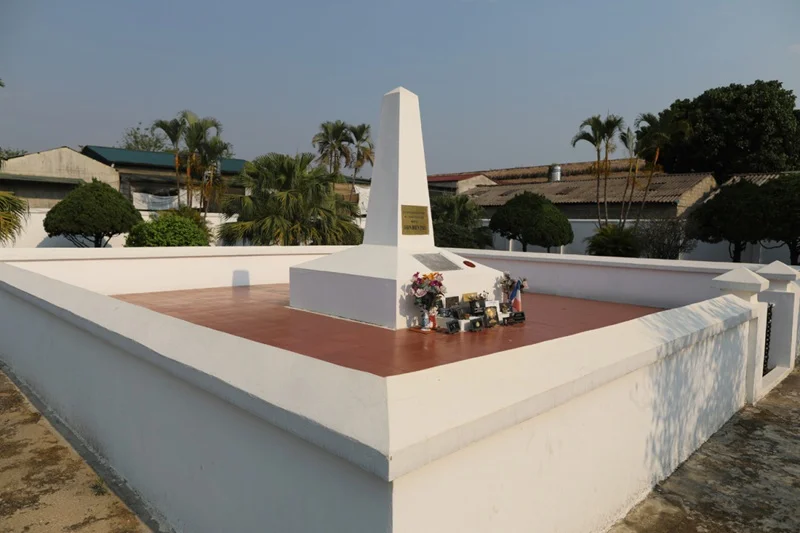
Many of the dead were never recovered. Thousands of French Union soldiers are believed to remain buried in the valley and along the march routes. In 1994, Rolf Rodel, a former Legionnaire, built a memorial at Dien Bien Phu to the French Union dead, with the agreement of Vietnamese authorities.
Why the Prisoners of Dien Bien Phu Still Matter
The prisoners of Dien Bien Phu are a reminder that, for many soldiers, the battle was not the worst part of the war. More men from the garrison died after the surrender than during the 56-day siege itself.
Their story also matters to Americans. By 1954, the United States was paying most of the cost of France’s war. Two American civilian pilots were killed flying supplies to Dien Bien Phu, and within a decade U.S. soldiers would be fighting — and becoming prisoners — in the same country.
Keep Reading
- The Vietnam War Explained: A Clear Summary (1955–1975)
- The First Indochina War: A Clear Summary of How France Lost Vietnam (1946–1954)
- Who Was the First American Killed in Vietnam? The Answer Is Older Than You Think
- What Happened to South Vietnamese Soldiers After the Fall of Saigon?
- How Did the Vietnam Draft Lottery Work? The Night America Drew Birthdays From a Jar
- Inside Ho Thuy Tien, Vietnam’s Abandoned Water Park
Frequently Asked Questions
How many French prisoners died after Dien Bien Phu?
Of about 10,900 prisoners taken to Viet Minh camps, only about 3,290 were returned, so roughly 7,000 or more died or remained unaccounted for. Historians estimate a death rate of around 60–70%, though some of the missing were Vietnamese soldiers whose fate was never recorded.
How far did the Dien Bien Phu prisoners have to march?
Most marched roughly 400 miles (600–700 km) from Dien Bien Phu to camps in northern Vietnam, a journey that took weeks.
Who was the Angel of Dien Bien Phu?
Geneviève de Galard, a French Air Force flight nurse who cared for the wounded throughout the siege. She was released in late May 1954 and later received the U.S. Presidential Medal of Freedom from President Eisenhower.
Were any Americans captured at Dien Bien Phu?
No Americans are known to have been captured. Two American civilian pilots, James McGovern and Wallace Buford, were killed when their supply plane was shot down on May 6, 1954, the day before the garrison fell.
When were the Dien Bien Phu prisoners released?
The 858 most seriously wounded were released in May 1954. The rest were handed back after the Geneva Accords, mostly between mid-August and early September 1954.
Sources
- Ministère des Armées (France), Chemins de mémoire — “The Battle of Dien Bien Phu“
- Bernard B. Fall, Hell in a Very Small Place: The Siege of Dien Bien Phu (1966)
- Martin Windrow, The Last Valley: Dien Bien Phu and the French Defeat in Vietnam (2004)
- Encyclopedia.com / Europe Since 1914 — “Dien Bien Phu, Battle of” (Stéphane Audoin-Rouzeau)
- Robert Bonnafous, Les prisonniers de guerre du Corps expéditionnaire français en Extrême-Orient dans les camps Viet-Minh (1985)
- Geneviève de Galard, The Angel of Dien Bien Phu: The Sole French Woman at the Battle (English ed., 2010)