Last updated:
France built its base at Dien Bien Phu in November 1953 for three main reasons: to block the Viet Minh route into Laos, which France had just promised to defend; to give its forces a strongpoint deep behind enemy lines; and, above all, to lure General Vo Nguyen Giap into a set-piece battle that French commanders were sure their firepower would win. The plan rested on one belief — that the Viet Minh could not bring heavy artillery into the surrounding hills. That belief was wrong.
Key Facts
- Operation: Operation Castor, airborne landing, November 20, 1953
- Ordered by: Gen. Henri Navarre, French commander in Indochina
- Location: a valley about 11 miles long in northwest Vietnam, near Laos, roughly 180 miles from Hanoi
- Model: the French victory at Na San, late 1952
- Main goals: protect Laos, hold a base behind Viet Minh lines, and draw the Viet Minh into a decisive battle
- Weak point: supplied only by air, with no road link to French-held territory
- Outcome: besieged from March 13, 1954; fell on May 7, 1954
November 20, 1953: Paratroopers Over the Valley
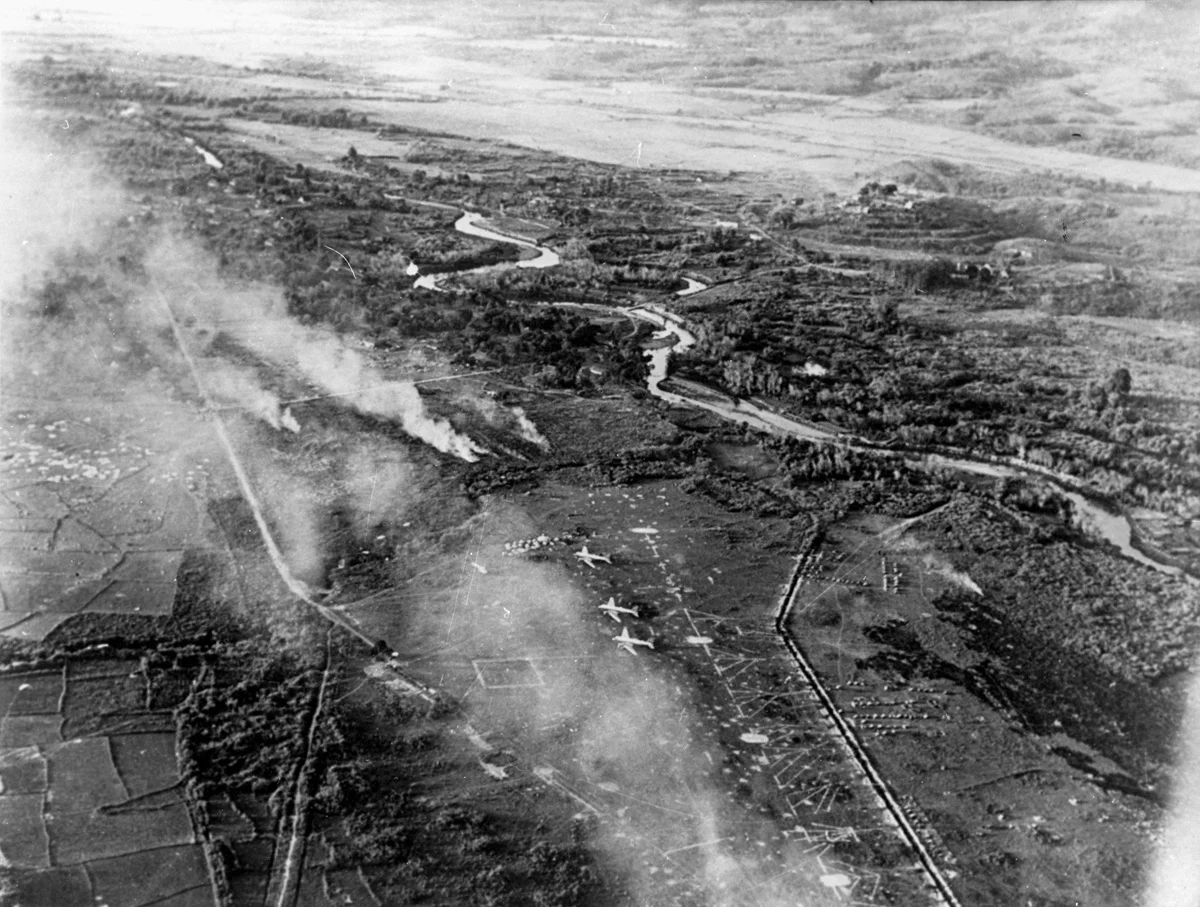
On the morning of November 20, 1953, French transport planes flew west from Hanoi over the mountains of Tonkin. Over a wide green valley near the border with Laos, the doors opened and paratroopers jumped. Among the first was a battalion led by Major Marcel Bigeard, later one of France’s most famous soldiers.
They landed among Viet Minh troops training in the valley and fought for most of the day before taking control. Over the next three days, thousands more paratroopers followed. Engineers began repairing an old airstrip first built by the Japanese during World War II. Within weeks, the valley of Dien Bien Phu was becoming one of the largest French bases in Indochina.
The Navarre Plan
By 1953, France had been fighting in Vietnam for seven years and was losing the will to continue. In May, General Henri Navarre took command with a plan approved by Paris and largely paid for by the United States. The idea was to avoid major defeats in 1953–54, build up French and Vietnamese forces, and then win a decisive victory that would let France negotiate from strength.
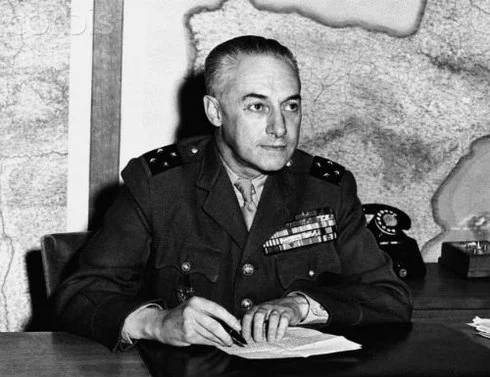
That autumn, pressure grew. Peace talks were becoming likely; in February 1954, the great powers agreed to hold a conference on Korea and Indochina at Geneva. Both sides wanted a battlefield success before the diplomats sat down.
Reason 1: Protecting Laos
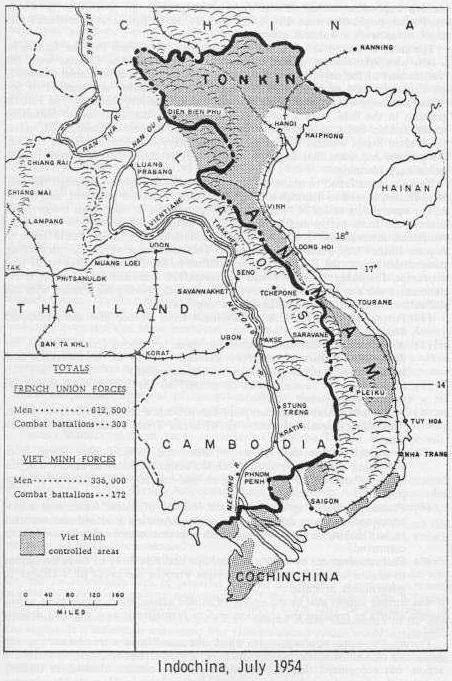
In the spring of 1953, Viet Minh divisions had marched into Laos and threatened its royal capital, Luang Prabang, before withdrawing for the rainy season. On October 22, 1953, France signed a treaty with Laos promising to defend it.
Dien Bien Phu sat on one of the main routes from northern Vietnam into Laos. French commanders reasoned that a strong garrison there could block a new invasion — or at least threaten any Viet Minh force that tried to pass.
Reason 2: A Base Behind Enemy Lines
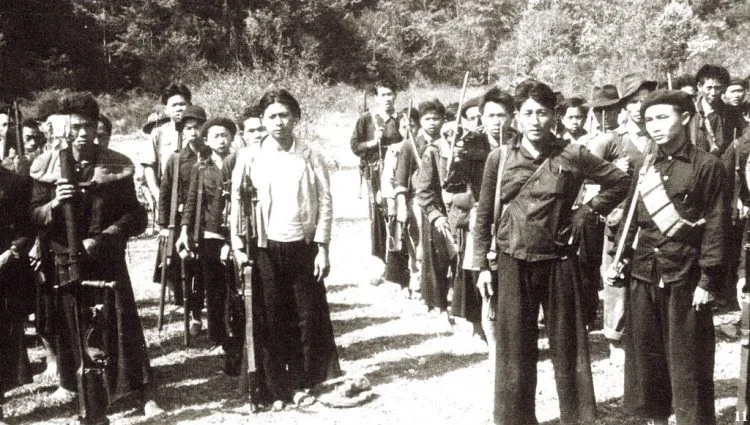
The region around Dien Bien Phu was home to the Tai, an ethnic group many of whose leaders had sided with France. As the Viet Minh advanced, France abandoned the nearby town of Lai Chau in December 1953, and Dien Bien Phu became the last French foothold in the northwest. From there, French commanders hoped to support local allies and launch raids against Viet Minh supply lines.
Some historians add an economic factor: the region produced much of Indochina’s opium, a crop that funded both sides at the time. Its role in the decision is still debated.
Reason 3: The Trap — Luring Giap Into Battle
The most important reason was the boldest. French commanders believed the Viet Minh were dangerous in guerrilla warfare but would be crushed in a conventional battle against French artillery and air power.
They had evidence. A year earlier, at Na San, the French had built a fortified “air-land base” — an airstrip ringed by strongpoints on hills — and Viet Minh attacks against it had failed with heavy losses. Navarre hoped to repeat that success on a larger scale. If Giap attacked Dien Bien Phu, French guns would destroy his divisions in the open.
On December 3, 1953, Navarre formally decided to accept battle at Dien Bien Phu. Days later, Giap’s leaders decided to take up the challenge.
Warnings That Were Ignored
Not everyone agreed. Some French officers pointed out that, unlike Na San, the base would sit on a valley floor overlooked by hills, too far from Hanoi to be easily reinforced, and dependent on aircraft in a region famous for fog and monsoon rains. Air commanders warned that they could not keep a large garrison supplied if the airstrip came under fire.
The commanders’ answer was confidence. They believed the Viet Minh could not move heavy guns over the mountains, and that any gun that opened fire would be destroyed. Visitors, including senior American officers, toured the base in early 1954 and reportedly came away impressed by its defenses.
| What the French expected | What happened |
|---|---|
| Viet Minh could not bring heavy artillery | Dozens of guns, including 105mm howitzers, were hauled into the hills |
| Airstrip would keep the base supplied | Viet Minh guns closed it by late March 1954 |
| Viet Minh would attack quickly and lose, as at Na San | Giap waited, prepared for months, and attacked step by step |
| Base would protect Laos | The garrison itself was surrounded and destroyed |
Where the Plan Went Wrong
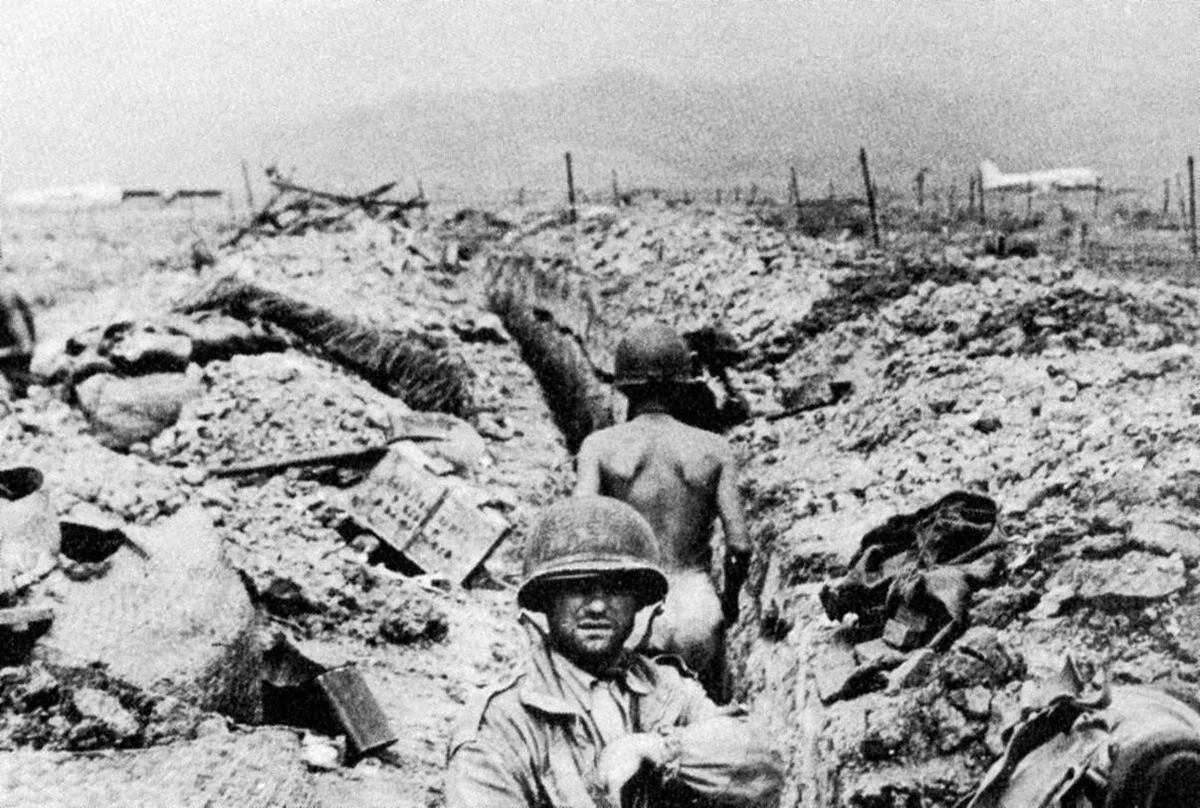
Giap did not attack quickly. Instead, he spent the winter building roads, moving supplies with hundreds of thousands of porters, and hauling artillery into the hills around the valley. When the attack began on March 13, 1954, Viet Minh guns fired from hidden positions the French could not find. Within weeks, the airstrip was closed.
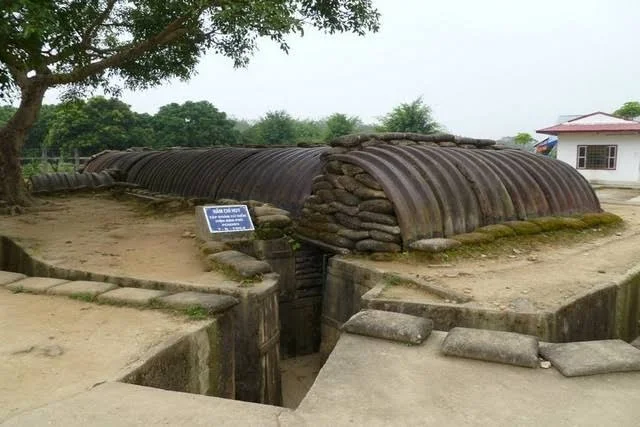
After 56 days, on May 7, 1954, the base fell. About 11,700 French Union soldiers were taken prisoner. The next day, the Geneva Conference turned to Indochina, and France’s war was effectively over.
Was Dien Bien Phu a Mistake?
In hindsight, most historians see the choice as a major error built on underestimating the enemy. But Navarre’s logic was not absurd at the time: a similar base had worked at Na San, Laos needed protecting, and France badly needed a victory. The fatal flaw was the assumption about artillery and supply — the belief that the enemy could not do what it ultimately did.
The story mattered for Americans, too. The United States was paying most of France’s war costs, and in the spring of 1954 Washington debated whether to intervene to save the base. It chose not to. Within a decade, U.S. troops would be fighting in the same country. For the full story of France’s war, see our summary of the First Indochina War.
Keep Reading
- Why Are Americans Still Missing in Vietnam 50 Years Later?
- What Happened to the Vietnamese Boat People? Where They Went, How Many Died, and Why the Camps Closed
- What Happened to Amerasian Children After the Vietnam War?
- How Did the Cu Chi Tunnels Work? Inside the Underground War — and the Tunnel Rats Sent to Fight It
- Why the 17th Parallel? How Vietnam’s Dividing Line Was Chosen in 1954
Frequently Asked Questions
Why did France choose Dien Bien Phu?
To block the Viet Minh route into Laos, to hold a base behind enemy lines in northwest Vietnam, and to lure the Viet Minh into a large battle that French commanders believed their firepower would win.
What was Operation Castor?
Operation Castor was the French airborne landing at Dien Bien Phu, beginning on November 20, 1953, when paratroopers seized the valley and its old airstrip.
What was the Navarre Plan?
A French strategy drawn up in 1953 by Gen. Henri Navarre to avoid major defeats, strengthen French and Vietnamese forces with U.S. funding, and then win a decisive victory so that France could negotiate from strength.
Why was Dien Bien Phu so important?
Its fall in May 1954 broke France’s will to continue the war, shaped the Geneva Accords that divided Vietnam, and opened the way for growing American involvement.
How far was Dien Bien Phu from Hanoi?
Roughly 180 miles (about 300 km) by air, across mountains with no usable road for the French — which is why the base had to be supplied entirely by aircraft.
Sources
- Bernard B. Fall, Hell in a Very Small Place: The Siege of Dien Bien Phu (1966)
- Martin Windrow, The Last Valley: Dien Bien Phu and the French Defeat in Vietnam (2004)
- Ministère des Armées (France), Chemins de mémoire — “The Battle of Dien Bien Phu”
- Hoover Institution — essays on Dien Bien Phu and the Navarre Plan
- Association for Diplomatic Studies and Training (ADST) — “Dien Bien Phu and the End of French Indochina”
- Office of the Historian, U.S. Department of State — “Dien Bien Phu and the Fall of French Indochina, 1954”